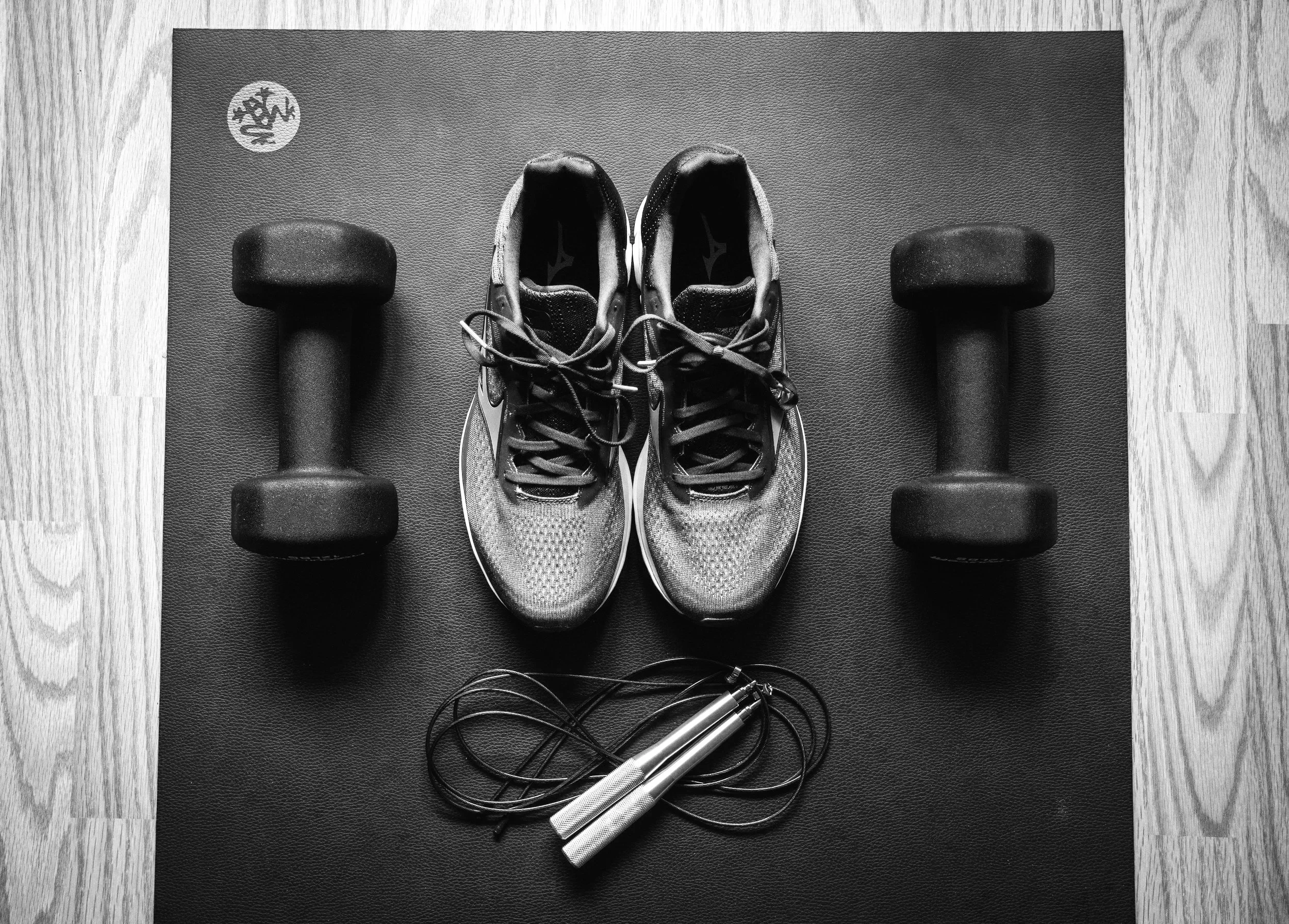
The Invention of Effort: A History of Why We ‘Exercise’
For the vast majority of human history, the concept of "exercise" would have been utterly nonsensical. If you had told a Neolithic hunter-gatherer or a medieval peasant that you were going to run 5 kilometres for "health," they would have asked what you were running from.
In the modern West, we treat exercise as a discrete, voluntary activity, something we "fit in" to our diaries. But a critical look at history reveals that exercise isn't just a healthy habit; it is a social construct born out of the industrial age to replace the functional movement we lost to technology.

1. From Survival to Strategy
In the pre-industrial world, movement was synonymous with life. It was "functional", required for hunting, gathering, building, and escaping. There was no "leg day"; there was just the day you walked 15 miles to find water.
One significant shift toward a formal concept of "exercise" appeared with the rise of organised warfare and the Greek gymnasion. Here, movement became a strategy. It was no longer just about survival in the moment, but about preparing the body for a future purpose: the battlefield or the Olympic Games. However, even then, it remained a pursuit for the elite or the soldier, not a universal prescription for the masses.
2. The Great Disconnect: The Industrial Revolution
The most profound turning point occurred in the 19th century. As the Industrial Revolution swept through Britain, labour shifted from the fields to the factories and, eventually, to the desks. For the first time, a significant portion of the population became sedentary.
This created a physiological crisis. Doctors began noticing "diseases of indolence." In response, the concept of "Physical Culture" emerged. Thinkers like Eugen Sandow (the "father of modern bodybuilding") began to sell the idea that the body was a machine that required regular "maintenance" to prevent it from rusting. We had successfully engineered the effort out of our daily lives, so we had to invent a way to put it back in.
3. The Medicalisation of Movement
By the mid-20th century, exercise moved from a pursuit of "manliness" or "strength" into the realm of medicine. Following the post-war rise in heart disease, the 1960s and 70s saw the "jogging craze" and the birth of aerobics.
Movement was now prescriptive. It was no longer about being a warrior; it was about managing your cholesterol. We began to view the body through a lens of "Biopower", the idea that keeping oneself fit was a civic duty and a sign of personal discipline.
4. The Modern Paradox: Commodified Motion
Today, we have reached another stage: the commodification of movement. We live in a world where we sit in an office for eight hours, take a lift to the car park, drive to a building with artificial lights, and pay a monthly subscription to walk on a motorised belt that goes nowhere.
We use wearable technology to track "steps" that our ancestors would have taken simply by existing. We have turned a biological necessity into a billion-pound industry.
Final Thoughts: Is it Working?
While modern exercise science allows us to reach incredible physical peaks, we must ask ourselves: is a one-hour gym session a sufficient "antidote" for twenty-three hours of stillness?
The history of exercise is a history of compensation. We are constantly trying to outrun our own inventions. Perhaps the next stage of our evolution isn't finding a better "workout," but redesigning our world so that movement is no longer a chore we schedule, but a natural part of how we live.