Why Elite Athleticism is the Primary Barrier to Effective Coaching
The allure of the world-champion trainer is the most potent marketing tool in the combat sports industry. Many boutique gyms now suggest that the most direct path to boxing mastery is to be taught by those who have reached the pinnacle of professional competition. Let’s examine whether elite athletic success or pedagogical expertise is the true driver of a novice’s progress. I will first look at the psychological impact of the "curse of knowledge" on movement deconstruction. I will then analyse why performance-based intuition fails to translate into instructional clarity. I argue that training with a world-class athlete is often a professional liability for a beginner because it prioritises instinctive performance over the structured science of skill acquisition.

Resolving this issue is important for any newcomer to the sport. A mistaken belief that a "champion" is a "teacher" does more than slow down progress; it often leads to frustration and the early abandonment of the sport. We must distinguish between the ability to perform a skill and the ability to transfer that skill to another before we invest our time and money in any programme.
I define elite athletic success as the possession of highly internalised, instinctive movement patterns developed through years of high-level competition. I define pedagogy as the specific science of breaking down complex motor skills into digestible, progressive steps for a learner. Many assume that the former automatically confers the latter. I contend this is false.
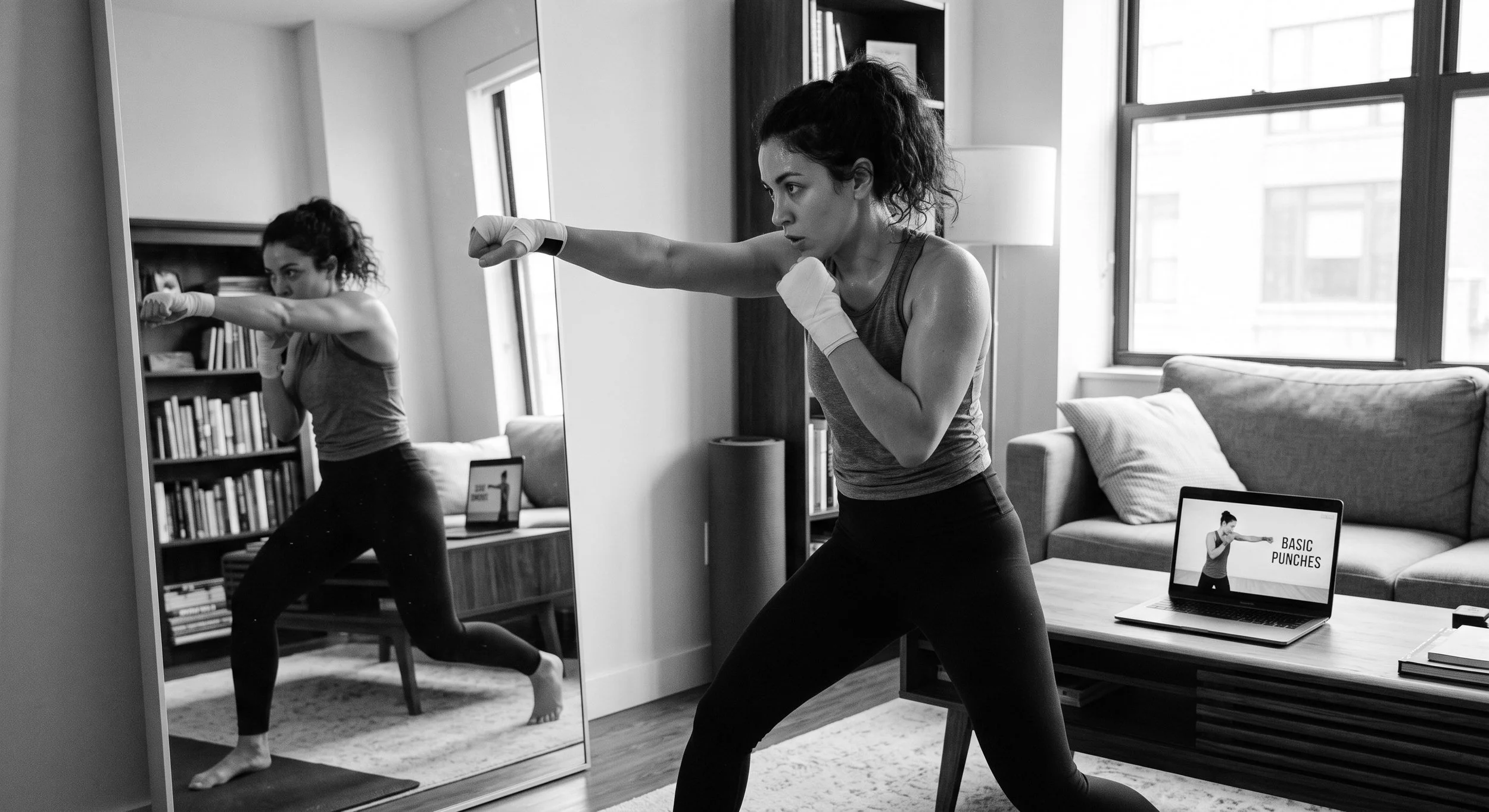
I argue that the "curse of knowledge" prevents elite athletes from empathising with the physical struggles of a novice. When a movement is internalised to the point of instinct, the performer often loses the conscious awareness of the individual sub-movements required to execute it. To a world champion, a "simple" jab is a single, fluid impulse. To a beginner, that same jab is a terrifyingly complex sequence of foot rotation, hip extension, and shoulder elevation. The elite athlete often speaks the language of "feeling" when the beginner requires the language of "mechanics."
Experts frequently skip foundational steps when instructing novices because those steps have become invisible to them. I believe this means that elite success can be an instructional handicap. A champion coach may inadvertently shame a beginner by treating a complex motor task as "basic." True mastery in coaching requires the ability to remember what it felt like to be incompetent, a memory that many elite athletes have long since overwritten with the confidence of their achievements.
One might argue that a world champion provides a unique form of inspiration and "technical secrets" that a career coach cannot offer. Critics potentially contend that being in the presence of greatness motivates a student to push past their perceived limits. From a certain perspective, the champion represents the "gold standard" of what is possible, serving as a living blueprint for the sport.
However, this argument fails because it confuses inspiration with instruction. While a champion may inspire, they often lack the "remedial" toolkit required to fix a beginner's fundamental errors. A career coach who has spent ten years watching ten thousand beginners make the same mistakes has a database of corrections that an athlete has never had to consider. Relying on "elite secrets" before a student can even stand in a stable stance is a fallacy. It assumes that the refinements of the one per cent are useful to the ninety-nine per cent who are still struggling with balance.
Critics might further object by claiming that a champion’s "authenticity" ensures the student is learning "real" boxing rather than a watered-down version. They would argue that the high standards of a pro gym prevent the development of "bad habits." Yet, this assumes that the "pro" way is the "right" way for a recreational health seeker. Professional boxing is a completely different realm compared to recreational or even amateur boxing. The market rewards the coach who can adapt the sport to the client's specific needs, not the one who demands the client adapt to a professional standard they can never reach.
I maintain that the best coaches are those who have mastered the art of coaching. You should look for a trainer who can explain the "why" and the "how" in different ways until it clicks for you. If you choose your coach based on their trophy cabinet rather than their classroom skill, you are likely to end up as a spectator to their greatness rather than a master of your own.