Are Your Exercise Excuses Actually Excuses? A Critical Look at Why We Don't Move
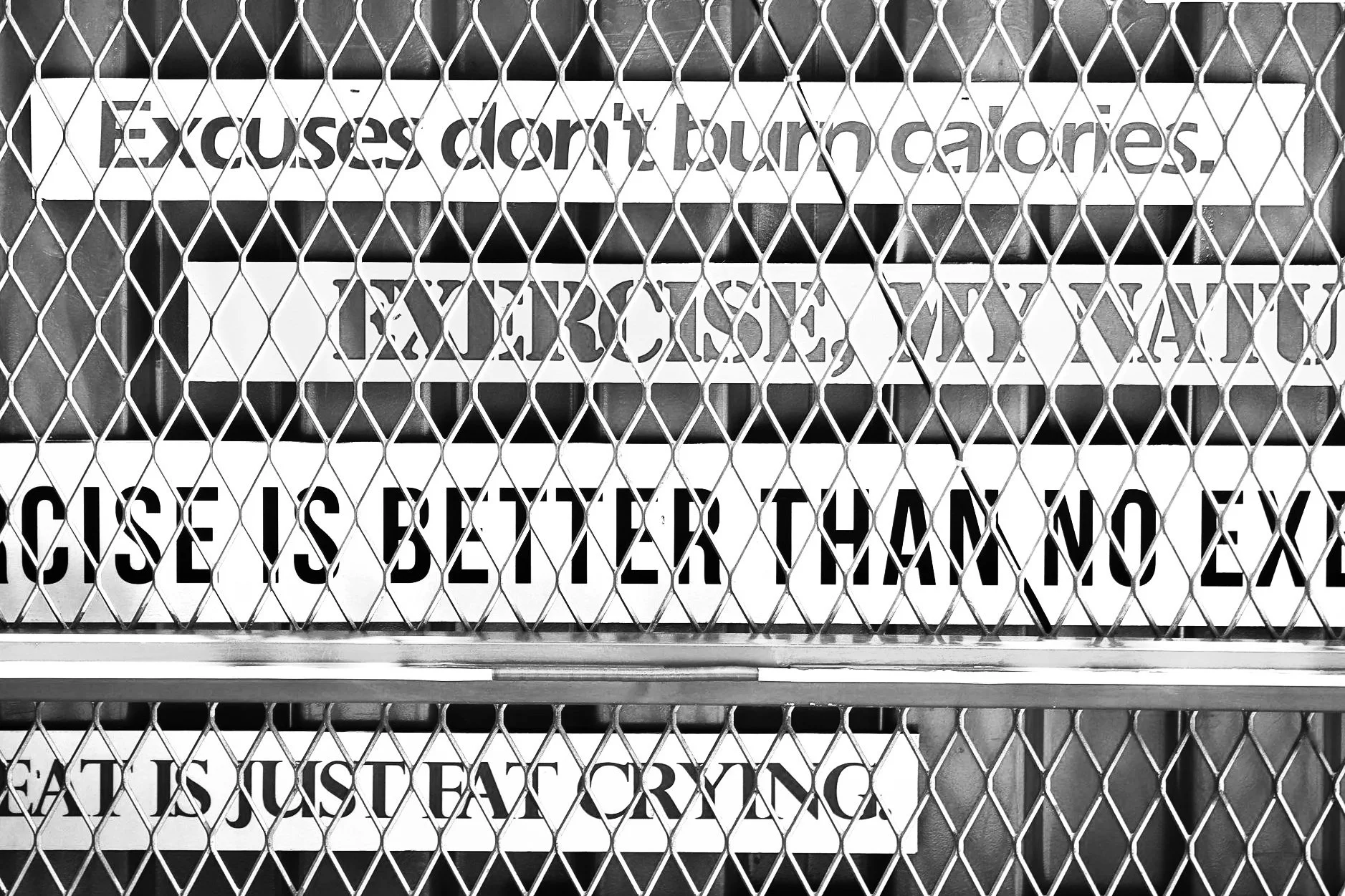
We all know exercise is good for us. We're told it boosts energy, improves mood, extends life, and helps manage weight. Yet, for many of us, getting moving remains a perpetual struggle. Why? Because we have a ready arsenal of reasons, or as some might call them, "excuses."
But how valid are these common justifications? Are they insurmountable barriers, or are they clever psychological defences? Let's put our critical thinking hats on and dissect the most frequent culprits.

The Usual Suspects: Unpacking Our Go-To Excuses
Think about the last time you skipped a workout or put off starting an exercise routine. What was your reason? Chances are, it was one of these:
"I don't have time. My schedule is packed from morning till night."
"I'm too tired. After work/kids/life, I just have no energy left."
"It's too expensive. Gym memberships, fancy gear... it all adds up."
"I'm not motivated. I just can't seem to get started."
"I hate it. Exercise is boring/painful/not fun."
These sound pretty reasonable, right? On the surface, they offer clear explanations for inaction. But let's dig a little deeper.
The Critical Deconstruction: Are These Reasons or Rationalizations?
When we apply a framework for critical thought, we find that many of these excuses, while feeling true, often don't hold up to scrutiny.
The "No Time" Fallacy:
The Claim: Your day is completely full, with no spare moments for physical activity.
The Reality Check: While some days are genuinely packed, true "no time" often means "no priority." Have you tracked your screen time, social media use, or passive entertainment? Often, what we deem "essential" activities consume hours that could be repurposed for a quick walk or a 15-minute home workout. Exercise doesn't have to be an hour-long gym session; short, intense bursts are incredibly effective.
The "Too Tired" Paradox:
The Claim: You're physically and mentally drained, and exercise would only deplete you further.
The Reality Check: This is perhaps the most deceptive excuse. While initial fatigue can make starting difficult, consistent physical activity increases energy levels. Exercise improves circulation, boosts mitochondrial function (your cells' powerhouses), enhances sleep quality, and releases endorphins, all of which contribute to greater sustained energy. The antidote to tiredness is often movement, not more rest.
The "Too Expensive" Myth:
The Claim: Fitness is a luxury, requiring costly memberships, equipment, or classes.
The Reality Check: This might be true for specific types of fitness, but it's far from universal. Walking, jogging, bodyweight exercises (push-ups, squats, planks), dancing, and even simple stretching require no equipment and can be done almost anywhere. Many communities offer free parks, trails, or public spaces. Your health is priceless; accessible movement is free.
The "No Motivation" Trap:
The Claim: You lack the internal drive to get started or stay consistent.
The Reality Check: Motivation is often a fickle friend. Discipline, not motivation, is the key to consistency. Waiting for "motivation" is like waiting for inspiration to write a book—it rarely comes on command. Starting small, creating a schedule, and building habits are more reliable than relying on fleeting feelings.
Why Do We Cling to These Excuses?
The truth is, these excuses serve a psychological purpose. They protect our ego, reduce the discomfort of cognitive dissonance (knowing what we should do versus what we are doing), and offer a convenient way to avoid immediate discomfort. Moving our bodies, especially when we're out of practice, can be challenging, even painful. Our brains are wired for efficiency and pleasure, sometimes at the expense of long-term health.
Shifting Your Perspective: From Excuses to Empowerment
Instead of accepting these common excuses at face value, try a different approach:
Acknowledge Your Feelings, Challenge Your Logic: It's okay to feel tired, but question the conclusion that you therefore can't exercise.
Reframe "No Time" to "Prioritization": Ask yourself, "What am I prioritizing over my health?" Even 10-15 minutes of movement daily is beneficial.
Embrace the "Minimum Viable Exercise": You don't need to be an athlete. A brisk walk, a few sets of squats during commercial breaks, or taking the stairs can add up.
Focus on How You'll Feel Afterward: The hardest part is often starting. Remind yourself of the energy boost, stress relief, and sense of accomplishment that follow a workout.
Find What You Enjoy: If you hate running, don't run! Try dancing, hiking, cycling, team sports, yoga, or gardening. Movement should be a joy, not a punishment.
While genuine systemic barriers exist for some (limited safe spaces, demanding jobs with no flexibility), for many, the biggest obstacle is often the story we tell ourselves. By critically examining our excuses, we can shift from passive avoidance to empowered action, taking control of our health one small, consistent movement at a time.