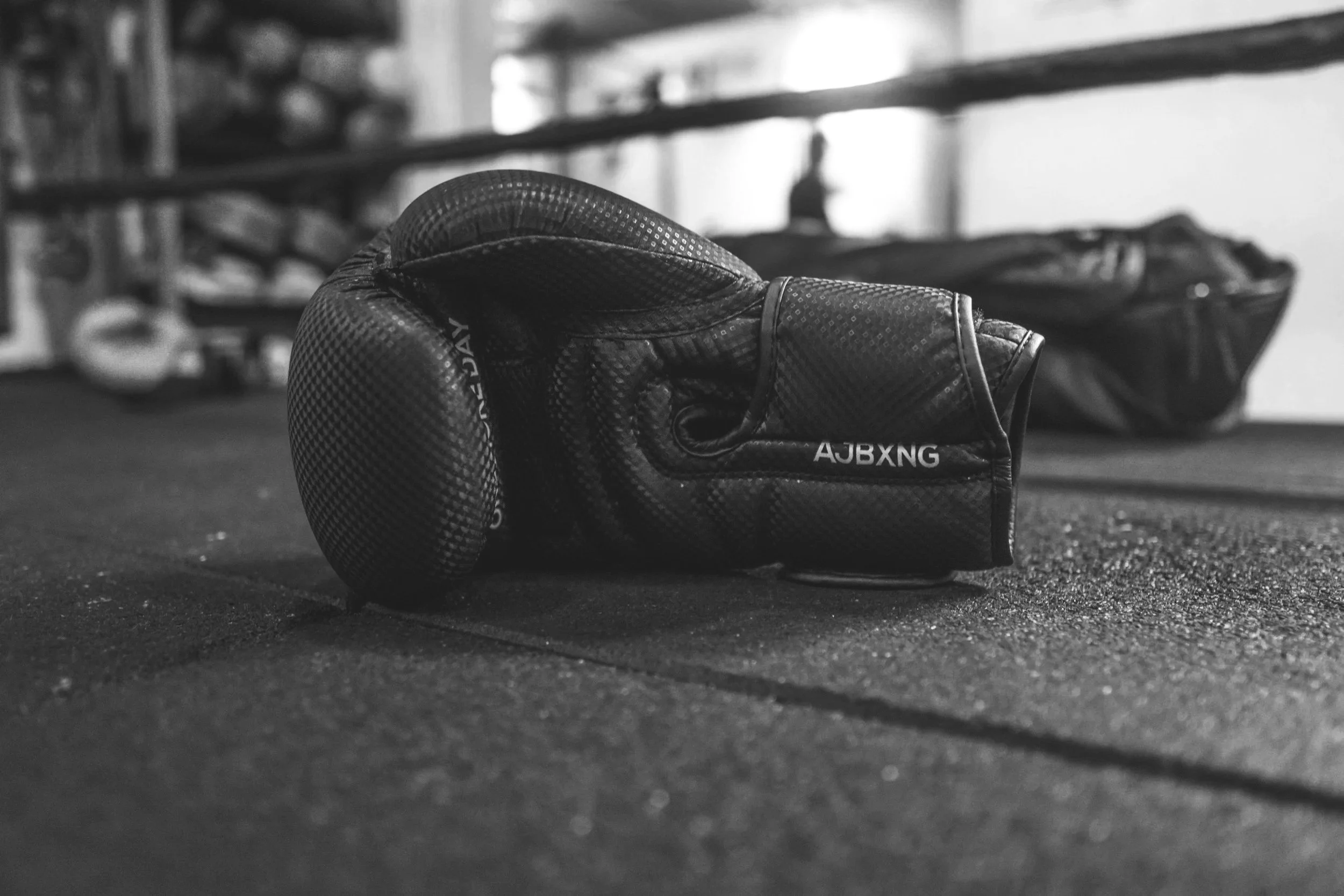
Whether you’re stepping into a boxing gym for the first time or you’re a seasoned pro, your gloves are your most important piece of gear. They aren't just about looking the part; they are essential for protecting your hands and your training partner’s face.
But walk into any combat sports shop, and you’ll see a wall of options. To help you choose the right pair, here is a breakdown of the most common types of boxing gloves.

1. Bag Gloves
As the name suggests, these are designed specifically for hitting heavy bags and double-end bags.
Purpose: To protect your knuckles during high-volume repetition on dense surfaces.
Design: Usually feature a slightly firmer, more compact foam that doesn't "bottom out" (compress completely) as easily as sparring gloves.
Pro Tip: Avoid using these for sparring; the foam is too hard and can injure your partner.
2. Training Gloves
If you only want to buy one pair of gloves, these are the ones to get.
Purpose: A "jack-of-all-trades" glove suitable for both bag work and light technical drilling.
Design: They offer a balance of padding and flexibility. They are generally built to be durable enough for the bag but soft enough for basic mitt work.
Best For: Beginners who are still figuring out their training routine.
3. Sparring Gloves
Sparring gloves are all about safety—specifically your partner's safety.
Purpose: Used during live practice fighting to minimize the risk of cuts and head injuries.
Design: These are much softer and "pillowy" than other gloves. They usually start at 16oz (the standard weight for sparring) to provide maximum cushion.
Note: Using sparring gloves on a heavy bag will quickly break down the soft foam, making them unsafe for future sparring.
4. Competition Gloves
These are the gloves you see in professional and amateur matches.
Purpose: To maximize impact while providing just enough protection for the wearer.
Design: They are smaller, lighter, and much more compact.
Amateur: Usually 10oz–12oz with a focus on high-impact protection.
Professional: Often 8oz–10oz, designed to be "puncher's gloves" with less padding over the knuckles.