Fix Your Form: Quick Tips on The Dorsal Raise
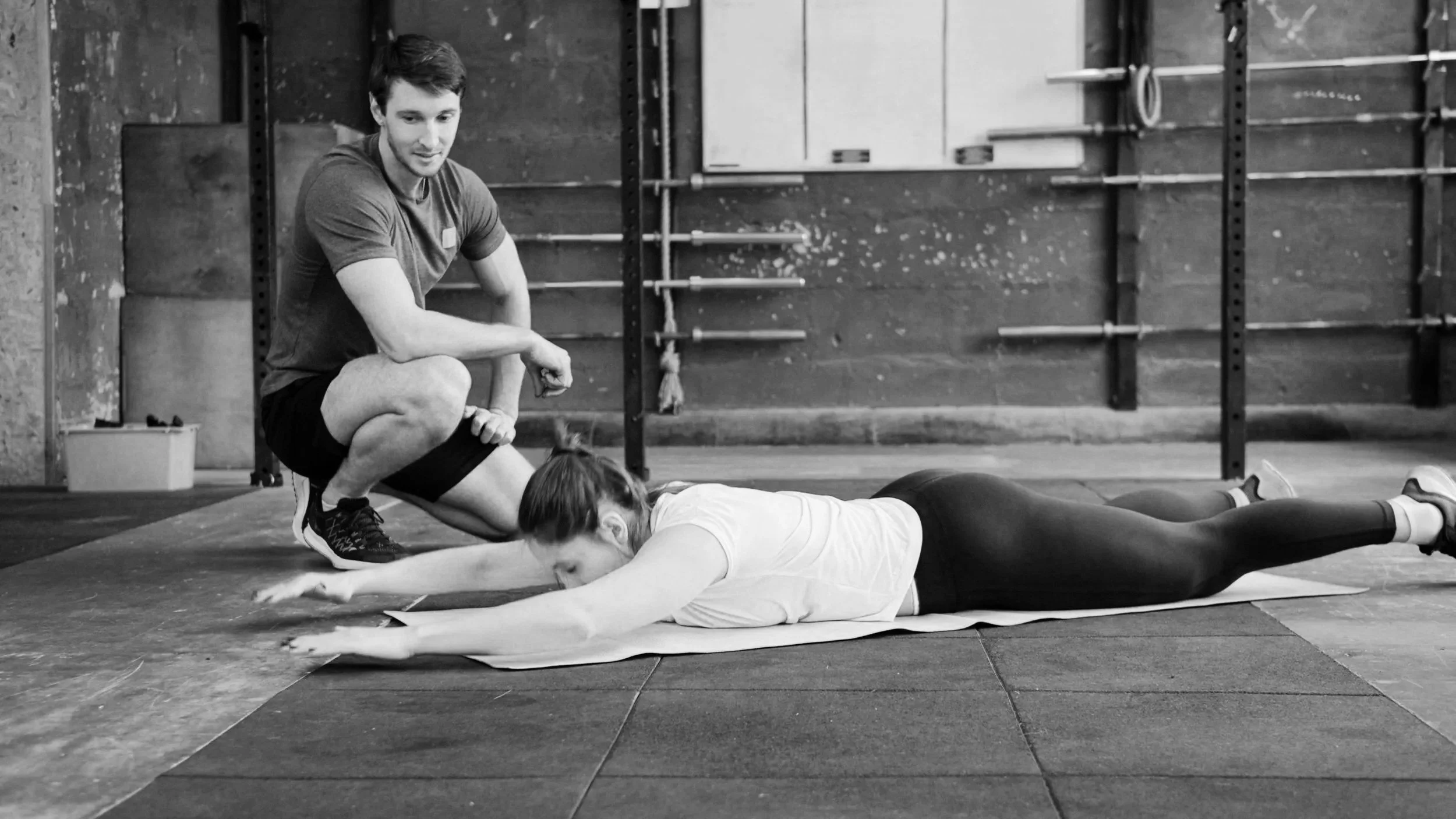
Most people assume the dorsal raise is a "flexibility" test where the goal is to arch your back as high as possible. This assumption is a "Tech Wreck" that leads to the "Spinal Crunch", pinching the vertebrae together at the base of the back. In reality, the dorsal raise is about length, not height. It is designed to strengthen the erector spinae and the posterior chain. If you are jerking your head back to get higher, you are swapping muscle engagement for joint compression.

Common Mistakes to Avoid
The Neck Crank: Looking up at the wall in front of you. This jams the cervical spine and prevents you from maintaining a neutral line from your crown to your tailbone.
The "Jerk" Lift: Using momentum to "flick" your upper body off the floor. This bypasses the muscles you’re trying to target and puts high-velocity stress on the lower back discs.
Glute Amnesia: Leaving your lower body "dead" on the floor. Without engaging your glutes and hamstrings, the lower back has no support and takes 100% of the load.
Over-Arching: Trying to turn your body into a "U" shape. Pushing past your natural range of motion compresses the facet joints of the spine.
Drills and Solutions
The "Eyes to Carpet" Rule: Keep your gaze fixed on the floor throughout the entire movement. This ensures your neck stays aligned with your spine.
The Foot Anchor: Keep the tops of your feet pressed firmly into the floor. This creates a "counter-lever" that allows you to engage your glutes and hamstrings, providing a stable base for the lift.
The "Hover and Reach": Instead of thinking "up," think "long." Imagine someone is pulling your head toward the front wall and your feet toward the back. Lift only until your chest clears the floor, then hold.
The Shoulder Blade Squeeze: As you lift, draw your shoulder blades back and down (into your "back pockets"). This ensures the mid-back is contributing to the movement rather than just the lumbar spine.
Final Thoughts
A successful dorsal raise is subtle. It isn't about how much daylight you can see under your chest; it's about the quality of the tension along your entire back. By slowing down the tempo and focusing on a long, neutral spine, you turn a potentially risky movement into the ultimate tool for posture and posterior strength.