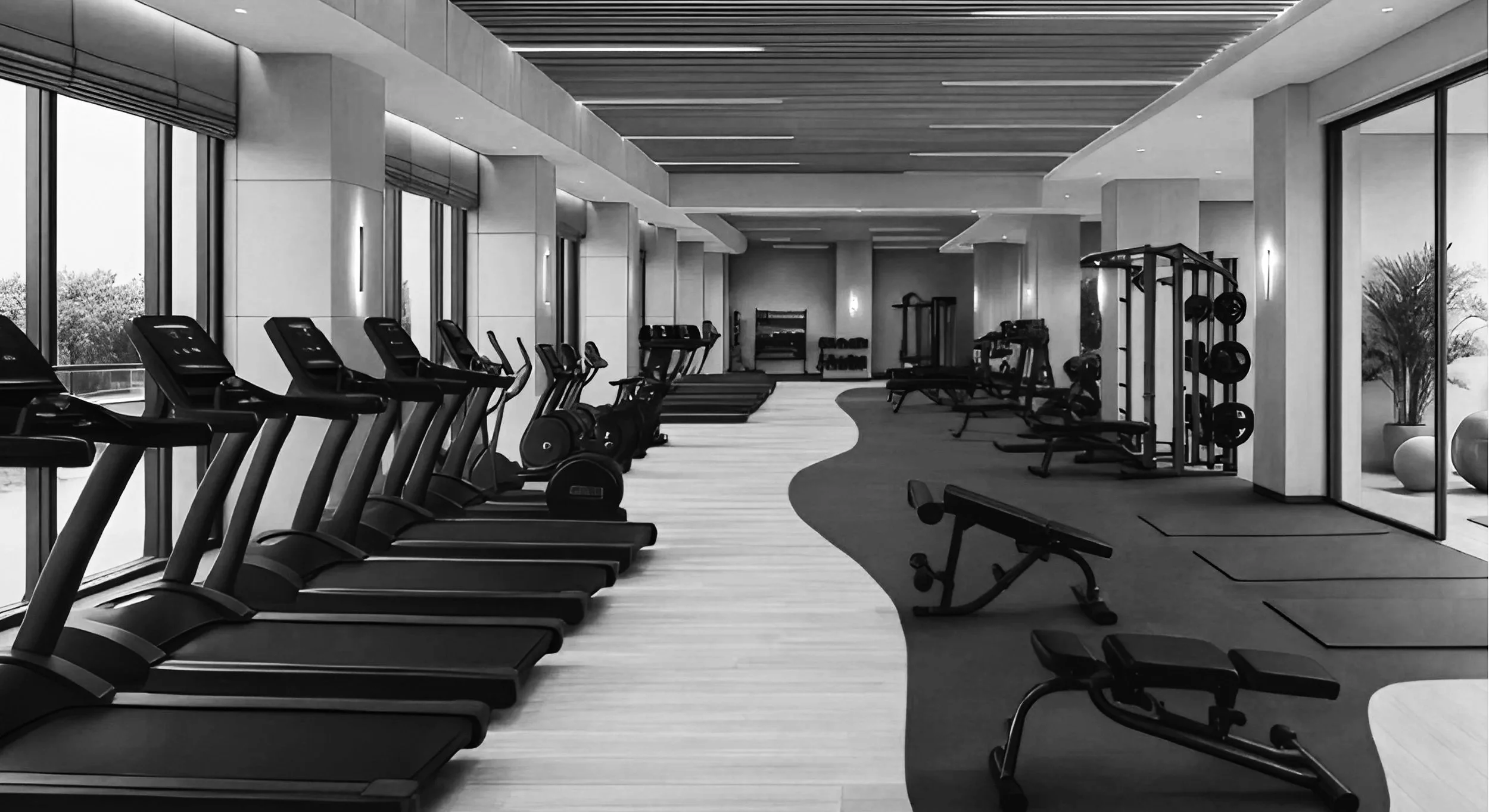
When we step into a gym or tap a heart-rate monitor, we usually believe we are engaged in a neutral, scientific pursuit of 'health'. We follow the 'knowledge' of the day: high-intensity intervals, protein windows, and 10,000 steps. But if we peel back the layers, a more uncomfortable question emerges. Is the fitness industry actually about health, or is it a massive exercise in social and economic power?

The Product of Insecurity
To understand the fitness industry, we have to look at its core purpose. While its marketing suggests it exists to help us live longer, its commercial operations rely on us feeling perpetually 'unfinished'.
The industry operates on a clever bit of circular logic. It produces 'knowledge' that identifies a problem (such as 'hip dips' or 'inadequate' muscle mass), then immediately sells the solution. In this cycle, the human body is treated like a piece of software in constant need of an upgrade. This isn't just business; it is the commodification of our biology.
Power in the Lab: Is Fitness Science Neutral?
We often assume that fitness data is objective. However, power dictates what gets researched and what gets promoted.
Consider what we don’t see. There is a vast amount of data on how to grow a bicep, because that can be monetised through gym memberships and supplements. There is far less 'knowledge' promoted about the benefits of communal gardening or walking to work, because those activities are free.
This is what philosophers call 'Biopower' — the way institutions regulate our bodies to make them more productive. By convincing us that fitness is a moral duty, the industry ensures we spend our free time and disposable income 'optimising' ourselves to be better workers and more reliable consumers.
The Status Symbol of the 21st Century
In previous centuries, being pale and soft was a sign of wealth because it meant you didn't have to work in the fields. Today, the power dynamic has flipped.
A lean, muscular body is the new status symbol. It signals that you have the 'social capital' — the time, money, and discipline — to navigate the complex world of modern fitness. We have reached a point where we use physical appearance as a proxy for a person's character, a trend known as 'healthism'. If you aren't fit, the underlying message is that you are lazy or 'unoptimised'.
A Fair-Minded Reality Check
It would be cynical (and inaccurate) to suggest that the entire industry is a scam. There is a biological reality that cannot be ignored: humans are built to move, and sedentary lifestyles lead to genuine illness. The science of cardiovascular health and bone density is real, regardless of who is selling the treadmill.
For many, the gym is a place of genuine empowerment. It can be a rare space where people reclaim agency over their lives, find community, and improve their mental health. The industry provides the tools for this, even if its motives are primarily financial.
The Verdict: Taking the Weights, Not the Bait
So, to what extent does power explain the fitness industry?
While it doesn't explain the laws of physiology, power explains almost everything else: the 'ideal' body shapes we chase, the supplements we think we need, and the guilt we feel when we miss a session. The industry doesn't just sell health; it sells a version of 'truth' that serves the bottom line.
The trick to being a critical thinker in the gym is to maintain your autonomy. Use the equipment, follow the proven science of movement, but stay sceptical of any 'knowledge' that makes you feel like your body is a problem to be solved by a credit card.