For centuries, we have lived under the illusion that how we move is a personal choice. We imagine that our morning jog, our gym membership, or our yoga practice is a manifestation of pure "will". However, if we stop and think about it, there is also a more complex reality: the way we treat our bodies is almost always a reflection of the prevailing economic "software" of the age.
As our economies have shifted from the soil to the steam engine, and finally to the silicon chip, the metaphors we use to describe our bodies have shifted too, with profound consequences for our physical freedom.

1. The Agricultural Revolution: The Rhythmic Vessel
In the pre-industrial world, the body was understood primarily as a vessel or a beast of burden. It was inextricably linked to the land and the seasons.
The Metaphor: The body as "tilled soil" or a "seasonal clock."
The Movement: Labor was functional, rhythmic, and varied. There was no "exercise" because life itself was movement.
The Limitation: Movement was dictated by survival. While "natural," it was often punishing, leading to premature wear and tear.
2. The Industrial Revolution: The Human Motor
With the rise of the factory, the metaphor shifted radically. We see the emergence of the human as a motor:
The Metaphor: The body as a machine, specifically a steam engine.
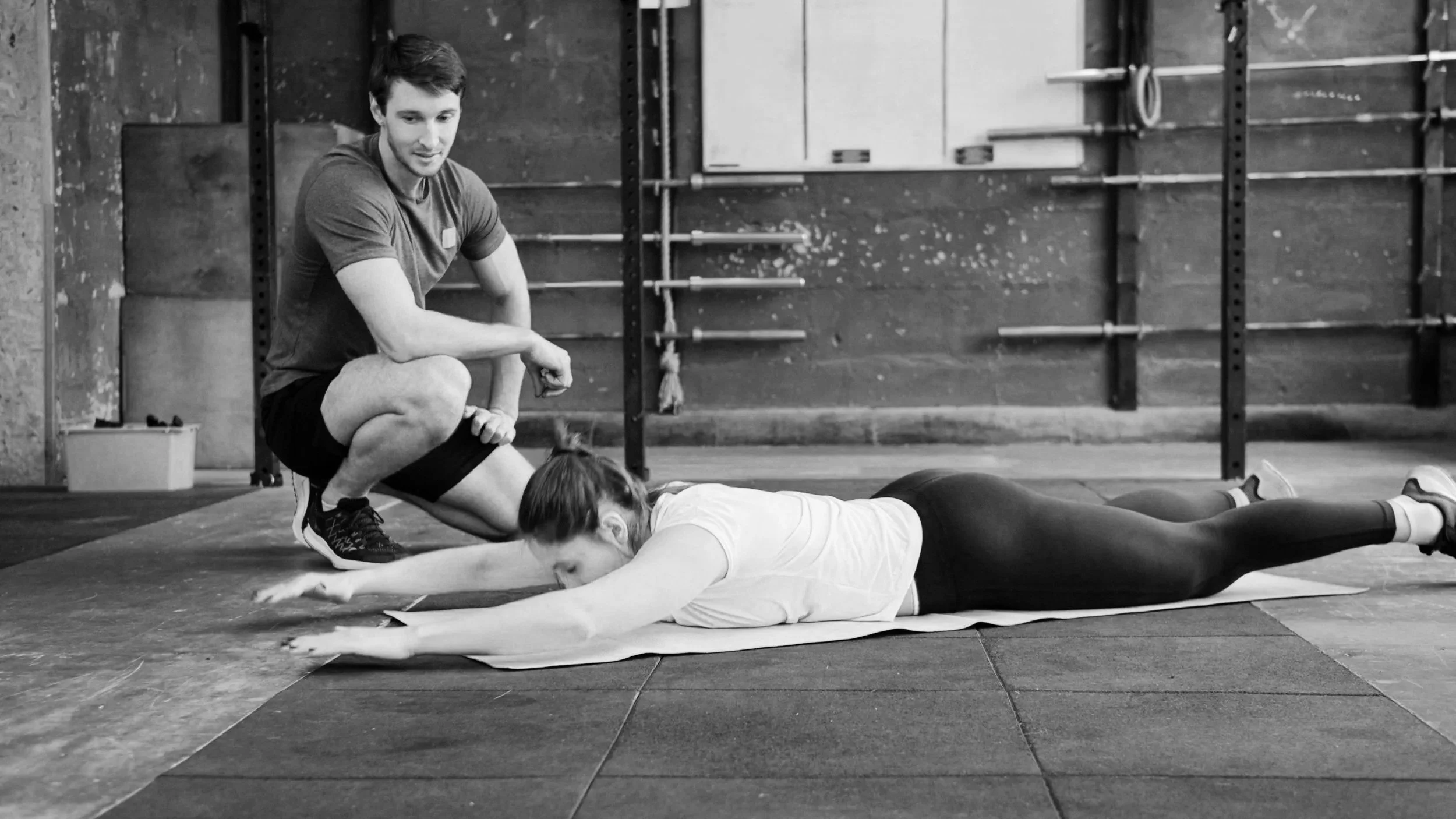
The Movement: This era gave birth to the modern "workout." Movement became compartmentalized into "reps" and "sets," mimicking the repetitive motions of factory machinery. We began to talk about "burning calories" (fuel) and "pumping iron."
The Limitation: We began to treat the body as a collection of parts (biceps, lats, glutes) rather than a whole. Movement became a chore to be "efficiently" managed during "off-hours."
3. The Digital Revolution: The Bio-Processor
Today, we have entered the age of the Cybernetic Body. As our economy shifted toward information, our bodies became seen as hardware interfaces for our digital lives.
The Metaphor: The body as a "computer" or a "system to be hacked."
The Movement: Movement is now "data-driven." We don’t move because we feel like it; we move because our smartwatch tells us we haven't hit our 10,000-step "input." We "optimise" our sleep, our gait, and our heart-rate variability.
The Limitation: This leads to profound alienation. We are so focused on the metrics of the movement that we lose the experience of the movement. We have become heads only, treating the body as a high-maintenance vehicle that carries our heads from one Zoom call to the next.
The Critical Thinking Challenge: Reclaiming the "Animal"
The danger of these metaphors is that they become invisible. When we view our bodies as machines or computers, we begin to believe that if we aren't "productive" or "optimised," we are failing.
We must ask: Is my fitness routine serving my health, or is it merely training me to be a better cog in the current economic machine?
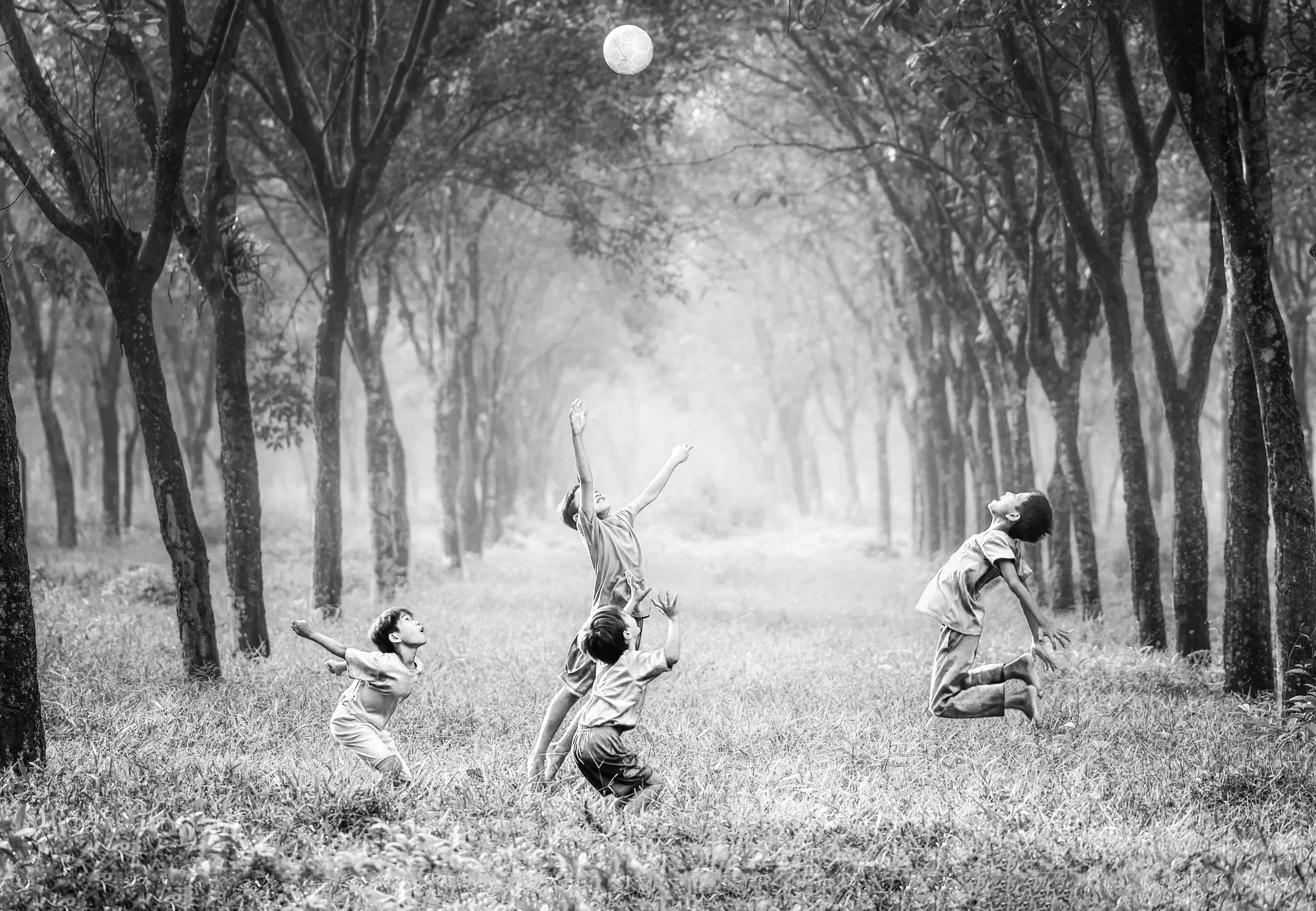
To move forward, we may need to look backward, not to the drudgery of the plough, but to the biological reality of the "human animal." This means prioritising diverse, non-linear movement (play, dance, climbing) that doesn't fit neatly into a spreadsheet or a factory schedule.
Final Thought
The metaphors of the past helped us build the world, but they shouldn't be allowed to cage our bodies. By recognising that our "machine-like" gym routines are historical relics, we can begin to move in ways that are truly, fundamentally human.