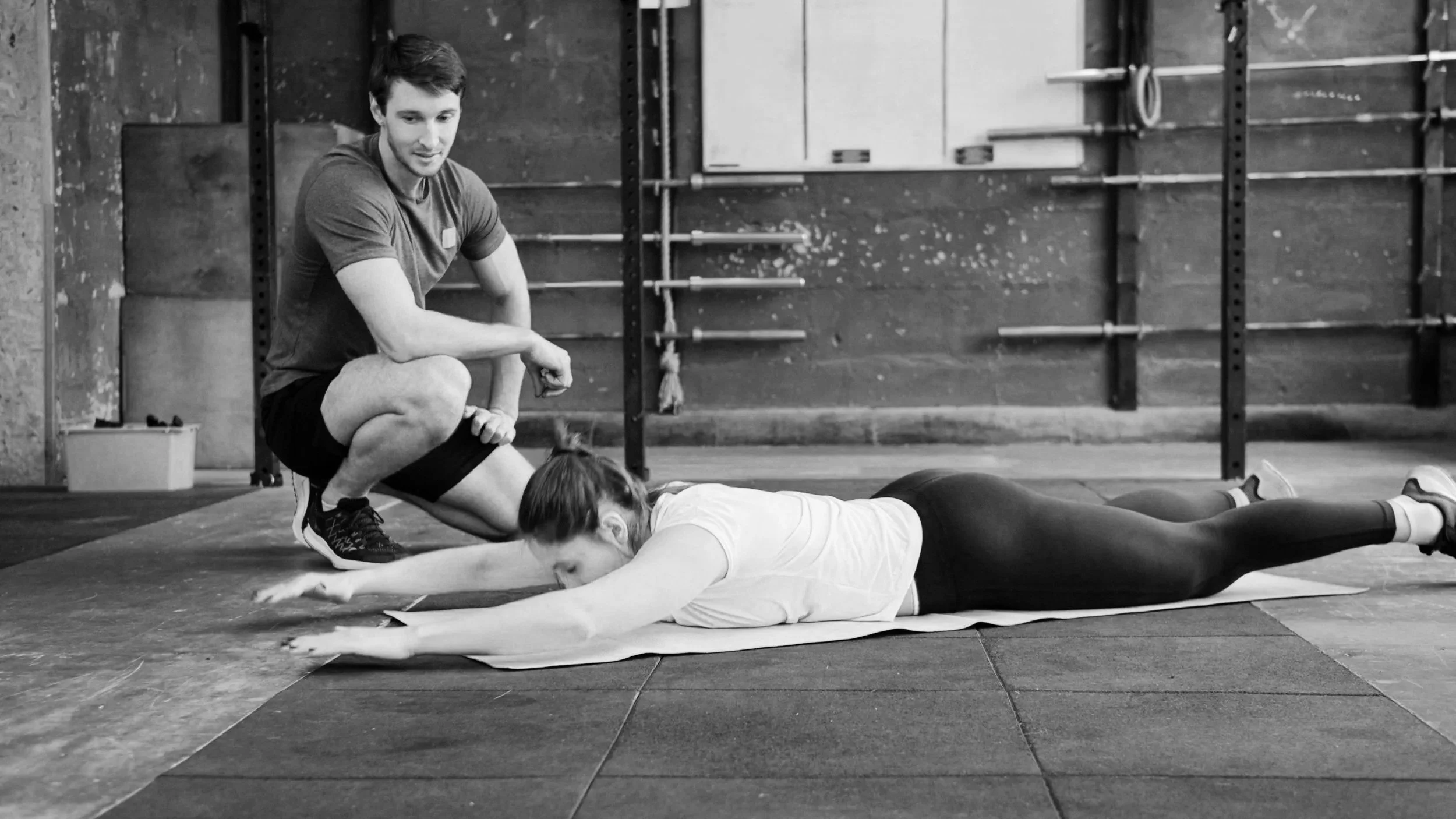
We’ve all heard the phrase “mental workout,” but what if our education system took the metaphor of physical training much more seriously? Think progressive overload, periodisation, and specificity – principles usually reserved for the gym or the sports field. Could applying these to the classroom revolutionise how we learn, or are we making a fundamental error?
Let’s unpack this fascinating idea through the lens of critical thinking.

The Core Idea: Education as Cognitive Training
The proposition is simple: treat the brain as a system that responds to specific "loads" (stimuli), much like a muscle adapts to resistance. The explicit goal here is to boost the efficiency and "yield" of education. Imagine designing a curriculum like a meticulously planned training programme, aiming for peak cognitive performance.
This isn’t just a whimsical idea. Proponents draw on solid research into neuroplasticity (the brain’s ability to change and adapt), Cognitive Load Theory (how much information our working memory can handle), and the power of concepts like the "testing effect" and spaced repetition. These insights suggest our brains do respond to specific, repeated stimuli.
The Logic of the Lift: Why it Works
At its heart, this approach is remarkably logical. If we accept the premise that learning is a biological change in the brain, then the laws of biological adaptation should apply.
By using Progressive Overload, we ensure students are always operating at the edge of their "proximal development"—the sweet spot where the work is difficult enough to force growth but not so heavy that it causes a "snap." When we add Periodisation, we acknowledge that the brain, like the central nervous system, requires deload weeks to consolidate information and prevent burnout.
Where the Metaphor Thins Out
However, a disciplined analysis requires us to look at the breadth of the human experience. While a bicep only knows how to flex and extend, the mind must learn to synthesise, empathise, and create.
The danger of this "training" model is its precision-trap. In the gym, success is measured by more weight or more reps. In education, if we define success only by measurable "outputs," we might achieve incredible accuracy in exam results while failing the standard of depth. We risk creating "intellectual athletes" who can perform a specific task brilliantly but lack the autonomy to think for themselves when the coach isn't standing over them with a whistle.
The Fair-Minded View: A Necessary Tension
To be truly fair-minded, we have to look at the Constructivist perspective. This view argues that students aren't just vessels to be "loaded" with weight; they are architects building their own understanding.
If we lean too hard into the "training" side, we treat the student as a passive recipient of a stimulus. If we lean too hard into "discovery" without any training, we leave them without the foundational strength (the grammar, the maths, the core facts) needed to build anything substantial.
The Verdict: A Hybrid Future?
Ultimately, the strongest reasoning suggests a dual-track approach. We should use the "training" model for procedural skills, the mental muscle memory required for languages, mathematics, and basic science. Here, the stopwatch and the rep-count are our friends.
But for the propositional and creative, we must step out of the gym. We need an environment that values serendipity and slow contemplation over "high-intensity intervals."
By applying the rigour of training principles where they belong, we free up the mental energy for the kind of deep, philosophical inquiry that makes education worth having in the first place. We don't just want strong brains; we want wise ones.