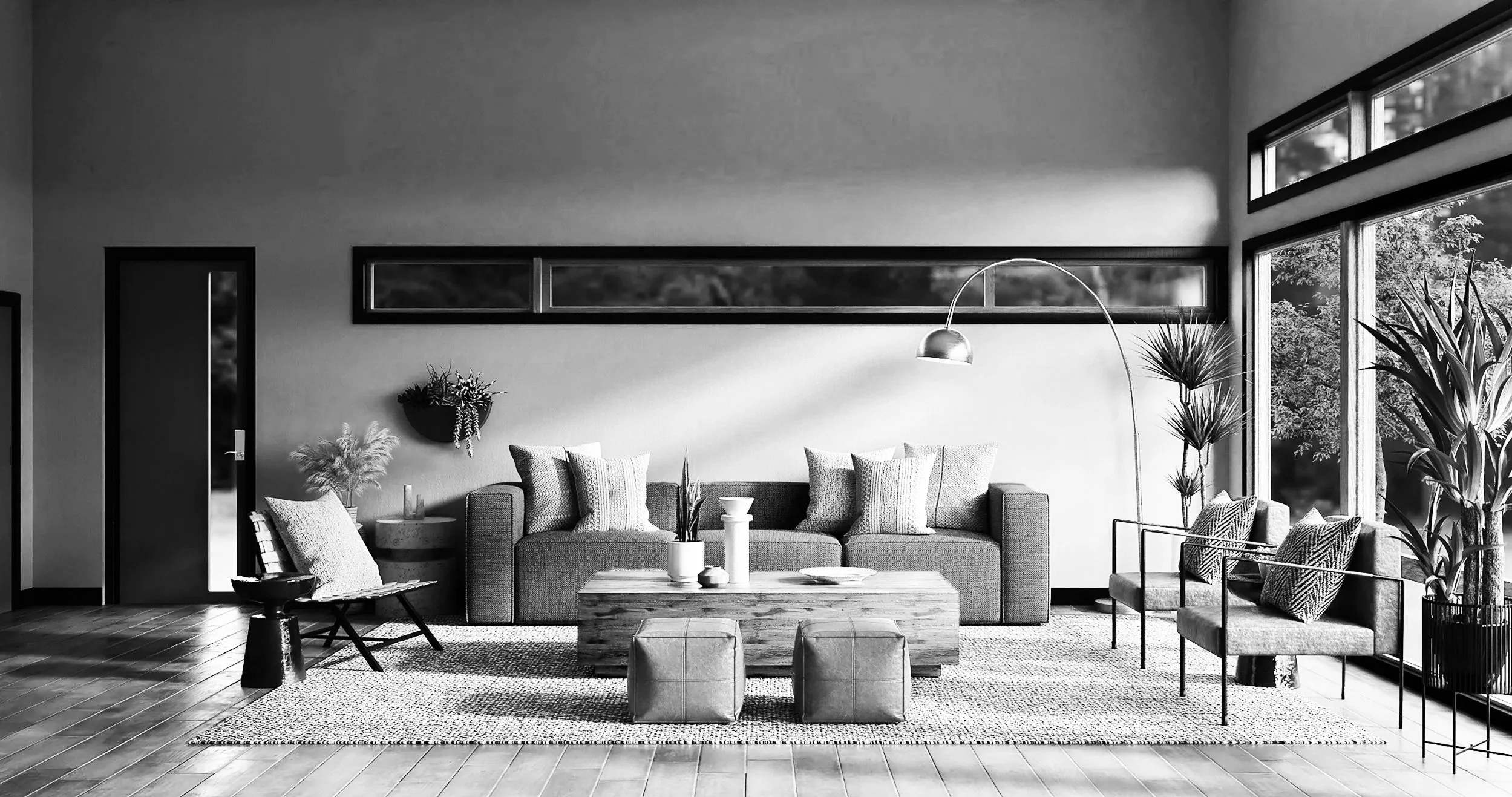
In the age of the "second screen," the modern living room is a battlefield for attention. We sit on our sofas, bathed in the blue light of a television, while our thumbs absent-mindedly scroll through a smartphone. For the content creator, the ultimate prize isn't just a "view" or a "like" - it is flow.
Coined by psychologist Mihaly Csikszentmihalyi, "flow" is that elusive state of "optimal experience" where time seems to vanish and self-consciousness melts away. But can you really engineer this state for someone sitting in their pyjamas in Birmingham or Bristol?
Applying a rigorous critical lens to this challenge, we can deconstruct the "Living Room Flow" into a repeatable science.

1. The Paradox of Passive Flow
The fundamental question is this: Can flow exist without physical interaction? Traditionally, flow requires a "challenge-skill" balance. For example, think of a mountaineer or a chess player. In the living room, the viewer’s "skill" is their cognitive ability to process narrative, and the "challenge" is the complexity of your content. If the content is too simple, they reach for their phone (boredom). If it’s too chaotic, they will switch off (anxiety).
The creator’s job is to build a "mental gymnasium" where the viewer’s intellect is perfectly engaged.
2. Simulating the Feedback Loop
Flow requires immediate feedback. In a video game, you press a button and the character jumps. In a video, feedback is more subtle. We call this "Parasocial Synchrony."
The Technique: You must anticipate the viewer’s internal monologue. When a creator says, "You’re probably wondering why I didn’t use the X-model for this experiment," at the exact moment the viewer has that thought, it creates a "micro-feedback" loop.
The Result: The viewer feels "seen" and understood, tethering them more tightly to the screen.
3. Solving the "Domestic Distraction" Problem
A critical analysis reveals that we often ignore the environment. A creator isn't just competing with other videos; they are competing with a barking dog or a WhatsApp notification.
To combat this, master creators use Environmental Cueing. This involves:
Aural Anchors: Using specific binaural beats or consistent soundscapes that signal to the brain it’s time to focus.
Visual Pacing: Using a "rhythm of cuts" that mimics the human heart rate during focus, gradually drawing the viewer into a trance-like state.
4. The Ethics of Entrancement
We must be intellectually honest: there is a fine line between Flow and Addiction.
As creators, are we providing a "meaningful challenge" that leaves the viewer feeling enriched, or are we simply "brain-hacking" them into a dopamine loop? The former leads to long-term brand loyalty and intellectual integrity; the latter leads to "content fatigue" and a sense of wasted time.
The Verdict: A New Blueprint
To move a viewer from passive observer to flow-state participant, you must:
Treat your audience as intelligent: Give them a narrative puzzle to solve.
Sync your timing: Anticipate their questions to create a simulated dialogue.
Respect the space: Use audio-visual cues that help them shut out the physical room.
By shifting our goal from "grabbing attention" to "cultivating focus," we transform the living room from a place of distraction into a sanctuary of deep experience.