What's the Absolute Minimum Kit Your Gym Actually Needs? A No-Nonsense Guide
Ever walked into a sprawling gym, seen all the shiny kit, and wondered, "Do I really need all this to get fit?" Or maybe you're thinking of setting up a home gym and feeling overwhelmed by the sheer amount of gear out there. Well, you're in luck. As a critical thinking analyst, I've dug deep into what a gym truly needs – not just what's nice to have.
My aim here is simple: to figure out the essential tools that allow you to achieve a comprehensive workout, covering strength, muscle growth, endurance, and flexibility, without any unnecessary clutter. It's about getting the biggest bang for your buck and space, focusing on what truly matters for your physical development.

The Big Question: What's the Minimum Viable Kit?
Let's refine this, because "minimal" can mean different things to different people. For us, the question boils down to:
What constitutes the minimum viable set of equipment necessary to facilitate the full range of fundamental human movement patterns (push, pull, squat, hinge, lunge, carry) and physiological adaptations for a diverse population?
Sounds a bit academic, perhaps, but it means we're looking at what your body can do and what tools help it do it better, not just what's trendy.
Stripping It Back: The Core Principles
The core principles of exercise, rooted in how our bodies work and the science of exercise, include:
Progressive Overload: To get stronger or build muscle, you need to continually challenge your body with more stress. This often means more weight.
Compound Movements: Exercises that use multiple joints and muscle groups (like squats or deadlifts) are incredibly efficient.
Biomechanical Efficiency: Using tools that allow your body to move naturally and effectively.
Essentially, if we want to hit every key movement pattern, we need a way to add external resistance, and a way to pull our body weight.
The True Minimalist Gym: The "Big Three" Essentials
Considering the core functions and necessary adaptations, here’s a definitive, no-nonsense list for the absolute minimum viable gym equipment:
A Pull-Up Bar / Suspension Trainer
Why? You simply can't effectively perform vertical or horizontal pulling movements (like pull-ups or rows) without something to pull from. Bodyweight rows under a sturdy table work for a bit, but a dedicated bar or a set of suspension straps (like TRX) opens up a world of upper body and core exercises that are otherwise impossible.
Adjustable Kettlebell or Barbell Set (with Plates)
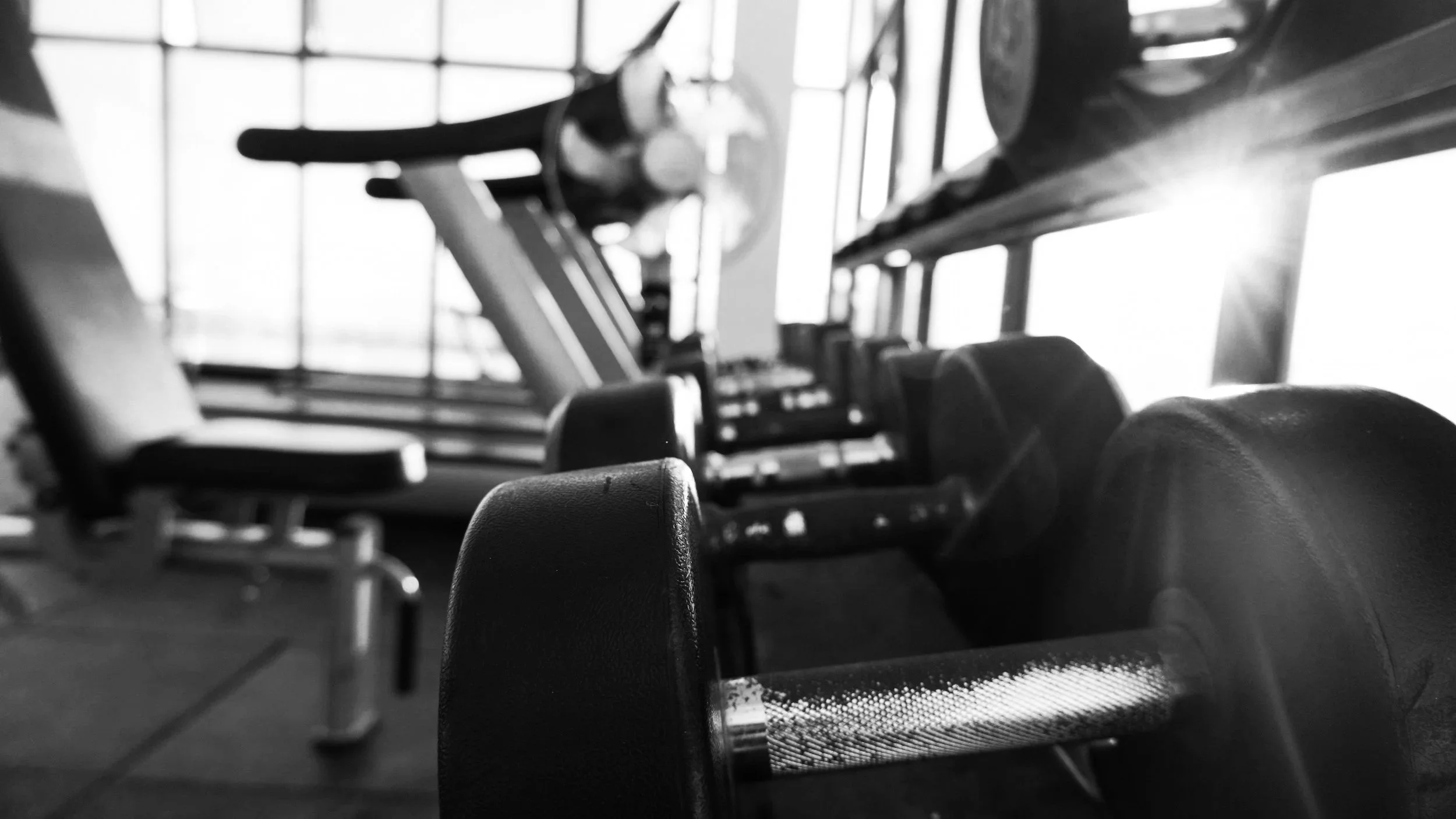
Why? For hinging (deadlifts), squatting, lunging, and carrying (like farmer's walks), you need external, heavy load. Bodyweight exercises hit a limit quickly for stronger individuals. A barbell and plates, or a selection of kettlebells, allows for significant progressive overload, crucial for building serious strength and muscle in your lower body and posterior chain.
Open Space / Floor Mat
Why? Flexibility, mobility, core work, and high-intensity cardio (think burpees, mountain climbers, dynamic stretching) are all best done on the floor. It's the most versatile piece of 'equipment' of all.
Why This Minimalist View?
This framework isn't about being stingy; it's about being effective.
Hinge: Kettlebells or barbells provide the load for deadlifts, swings, and good mornings.
Pull: The pull-up bar or suspension trainer is essential for pull-ups, chin-ups, and various rows.
Push: Push-ups are bodyweight, but a barbell allows for presses (bench/overhead), and kettlebells add variation.
Squat: Barbell squats and kettlebell goblet squats are king for lower body strength.
Lunge: Again, loaded lunges are easily done with a kettlebell or barbell.
Carry: Kettlebells or a loaded barbell are perfect for farmer's walks and other loaded carries.
This "Big Three" allows you to perform highly effective, compound movements that work your entire body, allowing for the progressive overload necessary for continuous improvement.
Other Perspectives
Now, it's only fair to mention that "minimal" can look different for everyone. For someone rehabbing an injury or an older individual, a simple resistance band and a sturdy chair might be their "minimal." Similarly, for someone focused purely on isolation movements for bodybuilding, a cable machine might feel more minimal and safer than free weights.
However, for general physical preparedness – getting stronger, fitter, and more robust – the free-weight and bodyweight-focused approach offers unparalleled versatility and effectiveness.
So, What's the Takeaway?
Don't get dazzled by the endless array of machines and gadgets. If you're building a gym, or just want to understand what's truly essential, focus on these fundamental tools. They provide the most profound and versatile training stimulus your body needs to grow stronger, fitter, and more capable.
It’s not about having more kit; it’s about having the right kit that allows you to do the right things for your body. Stick to the essentials, train smart, and you'll be well on your way to your fitness goals.