The Blog


Jumping into Boxing Fitness: Learn from the Pros
Ready to jump into boxing fitness? Learn from the pros with these expert examples on jumping rope, a key exercise in any boxer's training routine. Discover how to improve your footwork, coordination, and endurance.

Southpaw Strategies: Tips for Left-Handed Boxers
Calling all southpaw boxers! Improve your game with these expert tips and strategies designed specifically for left-handed fighters. From footwork and angles to power punches and defence, learn how to make the most of your natural advantages and dominate in the ring.
10 Questions for Critical Reflection
Improve your personal and professional development with these 10 questions for critical reflection. From "What are my core values?" to "How can I develop a growth mindset?" explore key questions that can help you gain greater self-awareness and enhance your decision-making and problem-solving skills. Whether you're a personal trainer or simply looking to grow and improve, this post is a must-read.

The Mental Benefits of Boxing for Fitness
Boxing isn't just a great physical workout - it's also a powerful mental workout. Discover the mental benefits of boxing for fitness, from stress reduction and improved mood to increased self-confidence and mental toughness. Whether you're a seasoned boxer or a beginner looking to try something new, this post will show you why boxing is one of the best workouts for your body and mind.

The Parry Playbook: A Guide to the 5 Types of Parry in Boxing
Master the art of parrying in boxing with this comprehensive guide, covering the five main types of parry used in the sport. Improve your defence and add variety to your technique with practical tips and strategies for blocking punches and setting up counterattacks.

8 Common Mistakes in Boxing (And How to Fix Them)
Improve your boxing technique and avoid common mistakes with this informative post. Learn about the eight most common mistakes in boxing, from improper footwork to telegraphing punches, and how to fix them. Whether you're a beginner or an experienced boxer, this post has something for everyone looking to improve their technique and get better results in the ring.

7 Head Movements in Boxing
A boxer's ability to move their head is essential for both defense and offense in the ring. This post covers the seven head movements in boxing, from the slip to the duck, providing practical tips and techniques for each one.

Master These 7 Advanced Punches to Improve Your Boxing Skills
Advanced boxing punches are technique modifications designed to solve specific problems and improve overall skill by leveraging versatility, unexpected angles, and defensive counter-punching. These seven punches include the surprising low-to-high Up Jab, the guard-breaching Overhand, the body-focused Shovel Hook, the deceptive Bolo Punch, the counter-focused Split-Jab, the evasive Check Hook (with a pivot), and the hybrid Huppercut (hook and uppercut fusion).

The Art of Misdirection: 7 Basic Feints for Boxers
Master the art of misdirection in boxing with this informative post. Learn about seven basic feints that can be used to deceive opponents and set up punches, from the jab feint to the slip feint. Whether you're a beginner or an experienced boxer, this post has something for everyone looking to improve their technique and add variety to their boxing arsenal.

11 Counter-Punch Combinations for Beginners
Counter-punching is a critical skill for beginners to develop, and this list provides 11 combinations that immediately follow a specific defensive manoeuvre to turn defence into offense. These combinations pair basic defensive actions like the Lead Catch, Rear Block, Lead Slip, Rear Roll, or Pull with an immediate punch sequence, such as the basic Cross, Lead Hook, Cross, to train reflexes and timing.

Boxing Training Equipment Checklist
What equipment should beginner boxers bring to training?

The Art of Control: A Comprehensive Guide to the 10 Types of Control in Boxing
Control in boxing is an advanced method of moving that subtly or explicitly influences an opponent's behaviour, with the primary purpose of setting up an attack or a counter-punch. These techniques range from non-contact methods like Distance Control (using footwork) and Stance Control (using feints) to contact-based methods applied to the opponent's body or guard, such as Hand Control, Head Control, and the most basic, Clinch Control.

How to Step and How to Skip
Footwork is the foundation of a boxer's movement, enabling efficient attack, defence, and energy conservation. The step and the skip are two fundamental techniques used to move while maintaining a balanced, ready stance.

How to Pivot
Pivoting is a critical boxing technique used to evade punches, create counterattack angles, and control the ring by turning the body and shifting the feet, which requires excellent balance and body control. Executed from the orthodox stance, the clockwise pivot plants the front foot and circles the rear foot out to change position, while the anti-clockwise pivot circles the rear foot inward, both manoeuvres being essential for repositioning the fighter without becoming flat-footed or exposing the body.

How to Roll
The roll, or bob and weave, is a versatile defensive boxing technique that involves lowering and moving the upper body in a 'U' shape to evade punches and create angles for counterattacks, requiring good footwork, balance, and body control. Learn the difference between the Lead Roll and the Rear Roll, the coaching points being to bend the knees, maintain sight of the opponent, and avoid common errors, like dropping the guard.

A Sample Boxer’s Workout
A sample boxer's workout is structured in five phases, beginning with a Warm-Up (Ropework) and Movement Preparation (Dynamic Stretches and Shadowboxing) to prepare the body for high-intensity work. The Main Workout focuses on developing skill and power through Padwork, Bagwork, and Floorwork (legs, arms, and core exercises), concluding with a Cool Down (Ropework) and Tissue Restoration (Static/Dynamic Stretches) to ensure recovery.

10 Basic Combinations
Practicing basic boxing combinations is crucial for beginners to improve their hand speed, coordination, and punching technique by throwing simple punch sequences in rapid succession. The 10 essential combinations provided, ranging from the Double Jab to the Jab-Cross-Lead Hook, teach foundational concepts like setting up a punch, and striking at appropriate ranges.

How to Slip
The slip is an essential boxing defence that involves subtly and quickly moving the head off the firing line to avoid an incoming punch, requiring fast reflexes and good anticipation. Executed from a proper stance, the Lead Slip and Rear Slip allow a boxer to evade damage and simultaneously create valuable counter-punching opportunities, serving both defensive and offensive purposes.

How to Block
Blocking is a fundamental boxing defence that uses the gloves, arms, and shoulders to deflect or absorb punches, protecting the boxer while also serving as an offensive tactic to disrupt an opponent's rhythm. Essential techniques include the Lead Block, Rear Block, and the Cover, all executed from a proper stance while avoiding common mistakes like reaching out, elbow flaring, or lifting the chin.

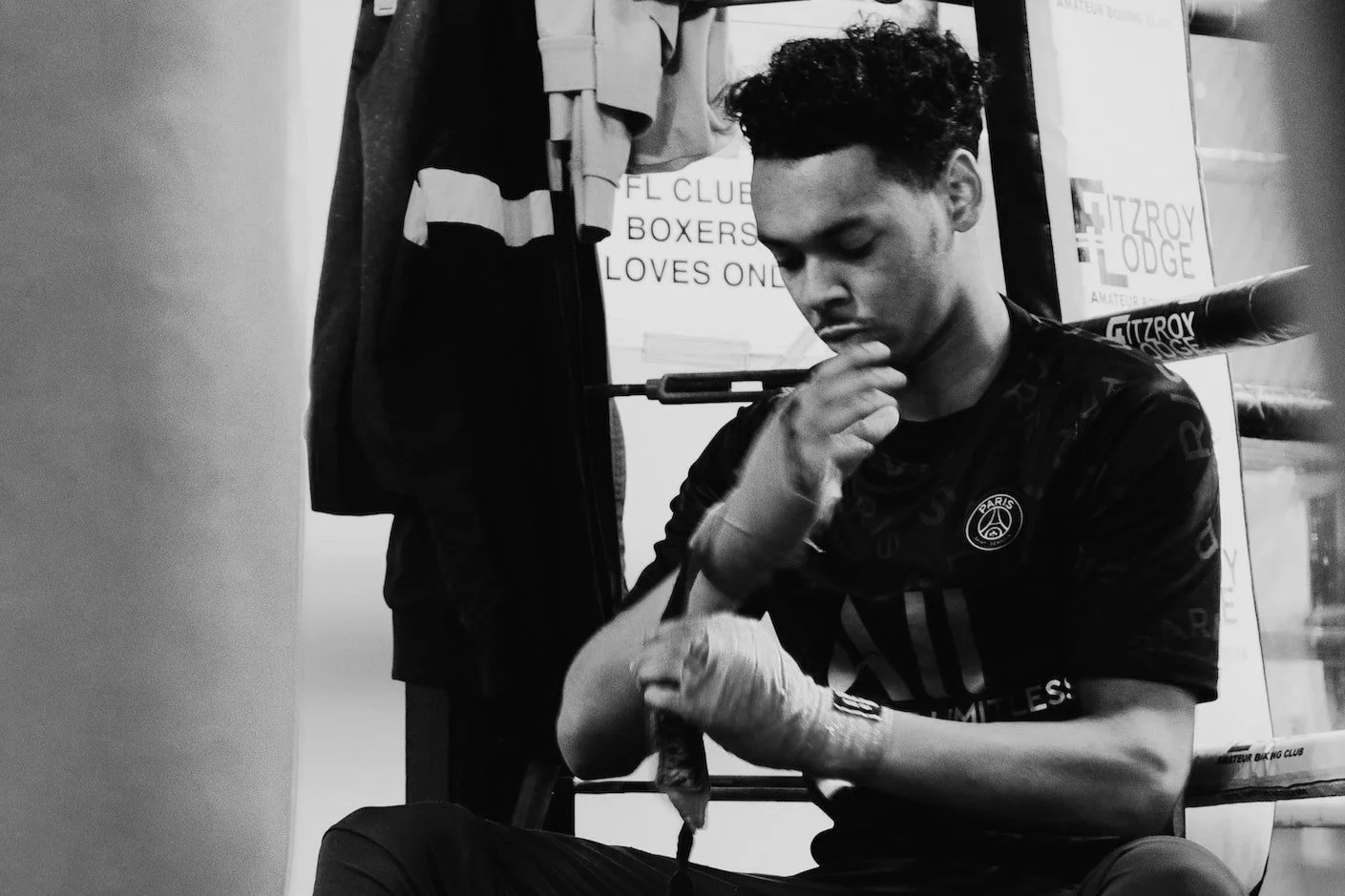
How to Wrap Your Hands
Learn how to wrap your hands like a pro with this informative post. Discover the step-by-step process for wrapping your hands before a boxing workout or fight, including how to choose the right hand wraps and how to properly secure them to protect your hands and wrists.