
The Skeletal System: A Journey into the Framework of the Human Body
How many bones are there in the human body, and how are they arranged? This guide is designed to be a valuable resource, providing you with information about the bones that form our skeletal system. Organized into categories based on their location and function, you'll find a comprehensive collection of bone names and images, allowing you to visualize their structure and position within the body. Whether you're a student, a health professional, or simply an anatomy enthusiast, this post will serve as a valuable reference
To aid in memorization and comprehension, I've also included mnemonics. These memory devices will help you remember bone names more effectively, making your learning experience even more enjoyable.
Anterior
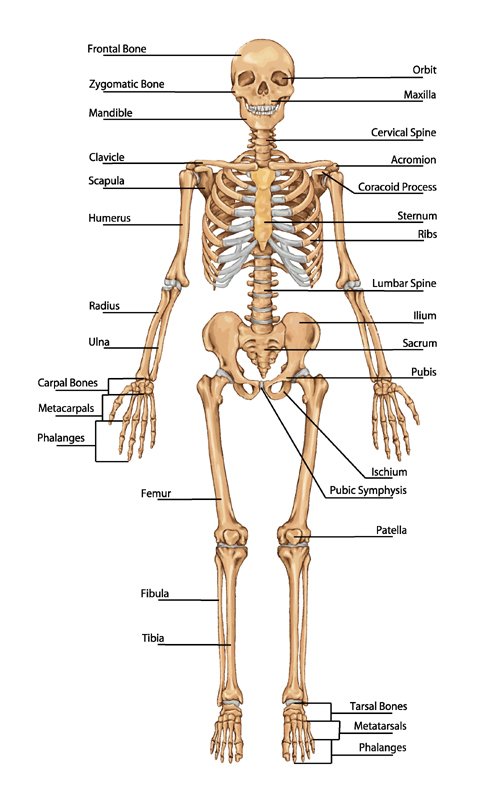
Posterior

The human skeleton has around 206 to 214 bones, though the exact number depends on how fused bones and segments are counted.
These bones are arranged under two skeletal groups, the Axial and Appendicular skeletons, each of which contain sub-groups and further sub-groups:
The Axial Skeleton (80-88 bones)
-
Cranial (8)
Frontal
Parietal (2)
Occiput
Temporal (2)
Sphenoid
Ethmoid
Facial (14)
Maxilla (2)
Zygomatic (2)
Mandible
Nasal (2)
Inferior Nasal Concha (2)
Vomer
Palatine (2)
Lacrimal (2)
Middle Ear (6)
Malleus (2)
Incus (2)
Stapes (2)
Hyoid (1)
Hyoid
-
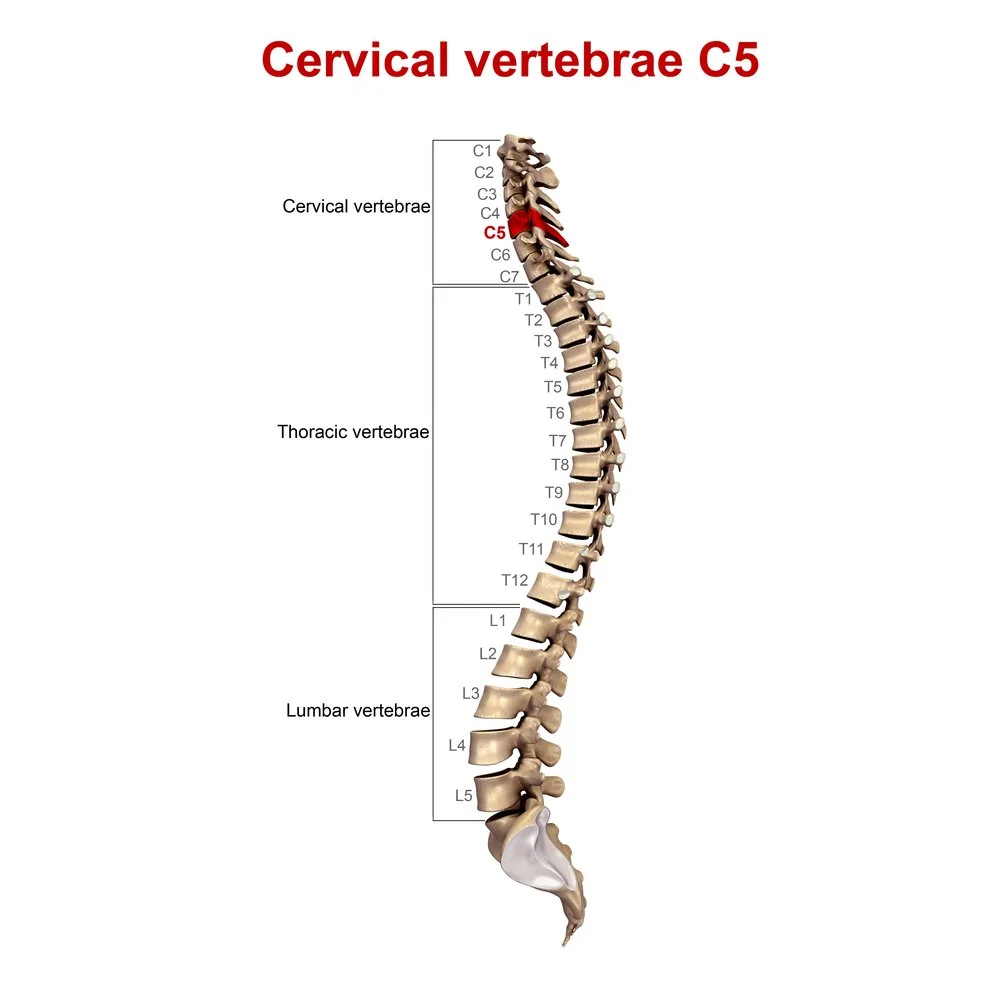
Cervical (7)
C1
C2
C3
C4
C5
C6
C7
Thoracic (12)
T1
T2
T3
T4
T5
T6
T7
T8
T9
T10
T11
T12
Lumbar (5)
Sacrum (1 or 5 fused)
Coccyx (1 or 3-5 fused)
-
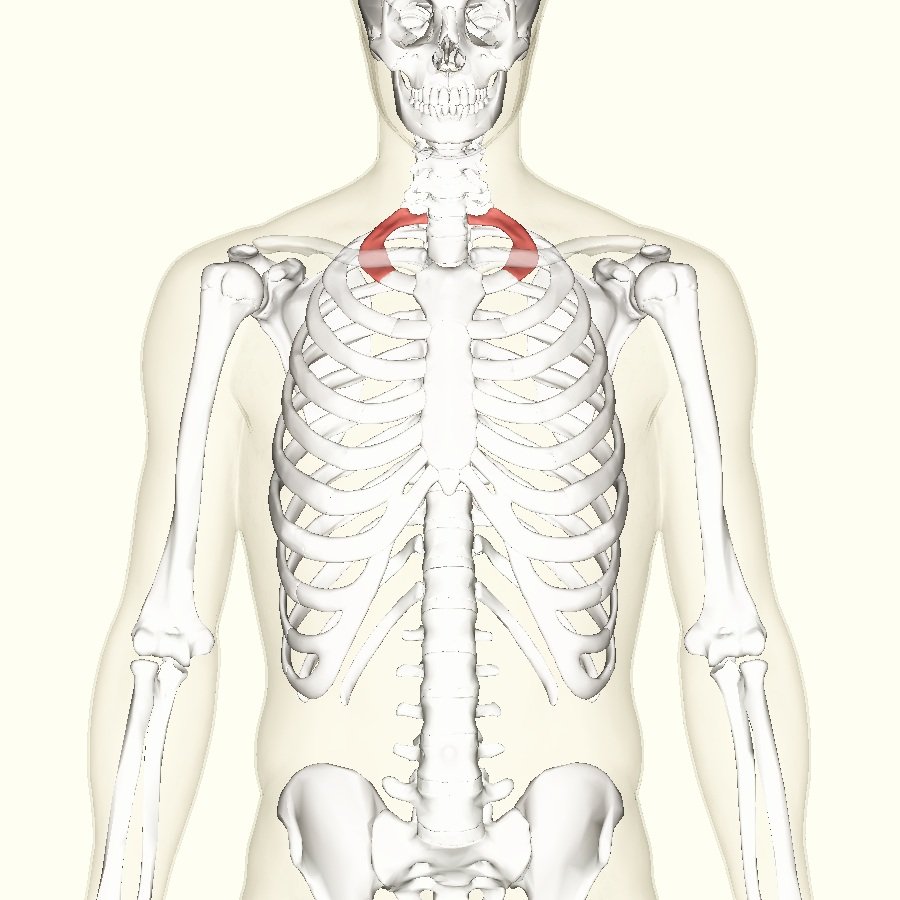
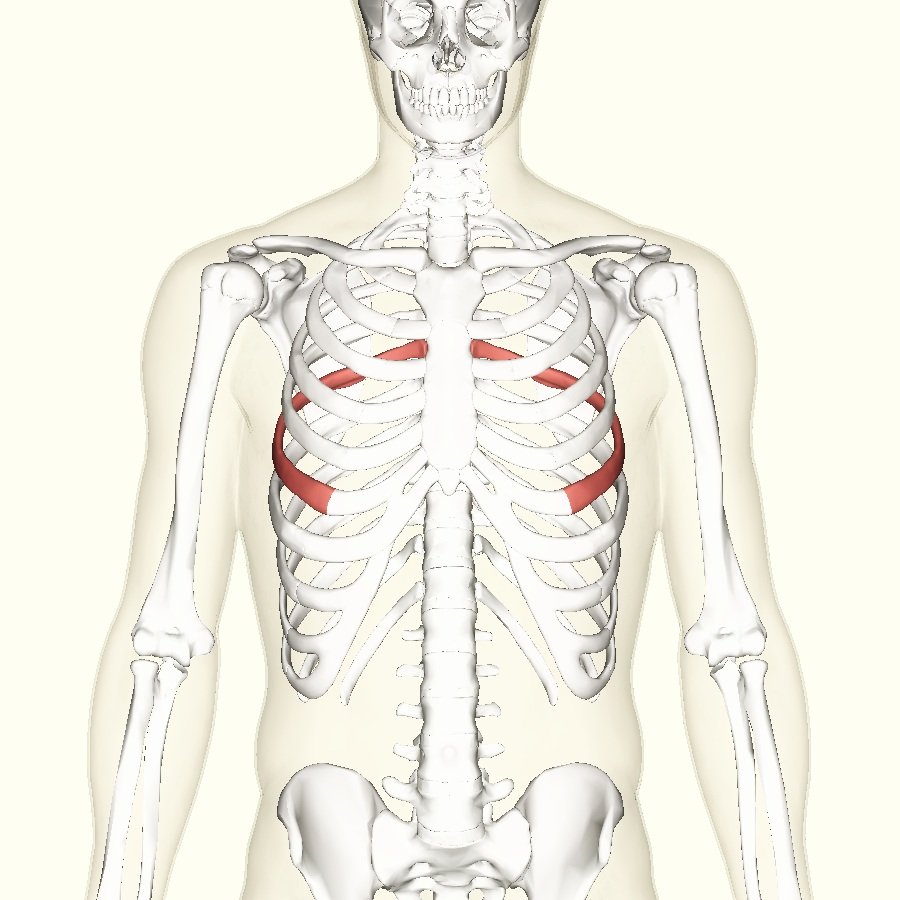
Rib Cage (24)
R1 (true) (2)
R2 (true) (2)
R3 (true) (2)
R4 (true) (2)
R5 (true) (2)
R6 (true) (2)
R7 (false) (2)
R8 (false (2)
R9 (false) (2)
R10 (false) (2)
R11 (false, floating) (2)
R12 (false, floating) (2)
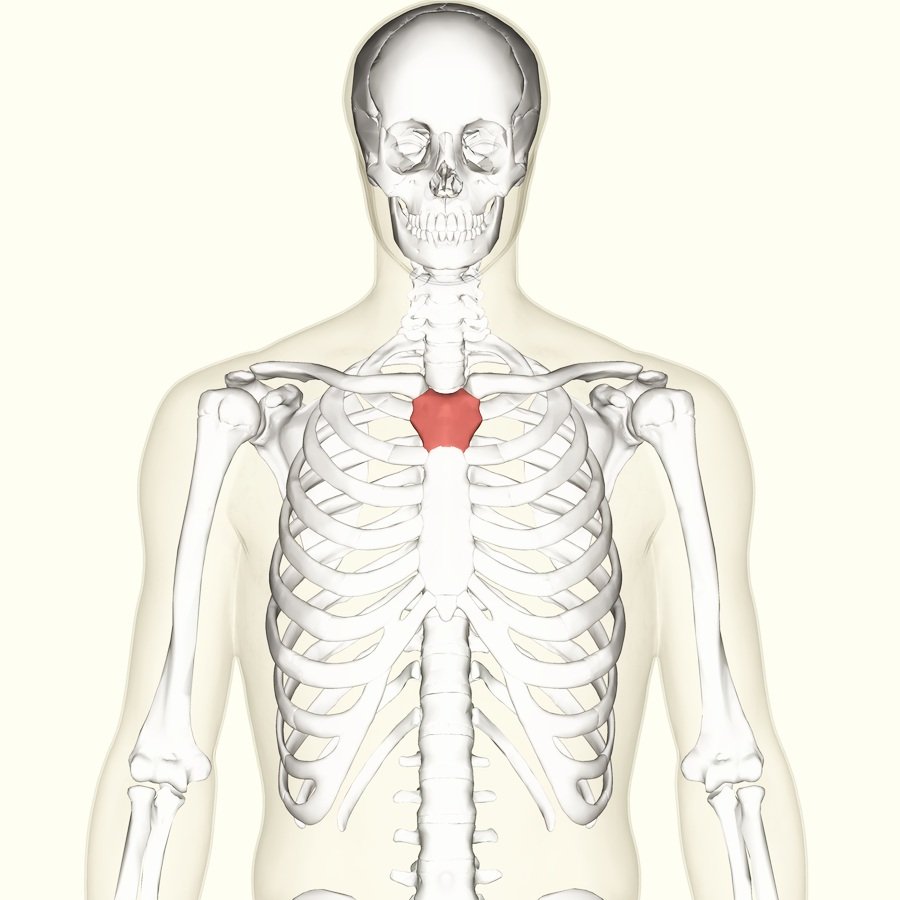
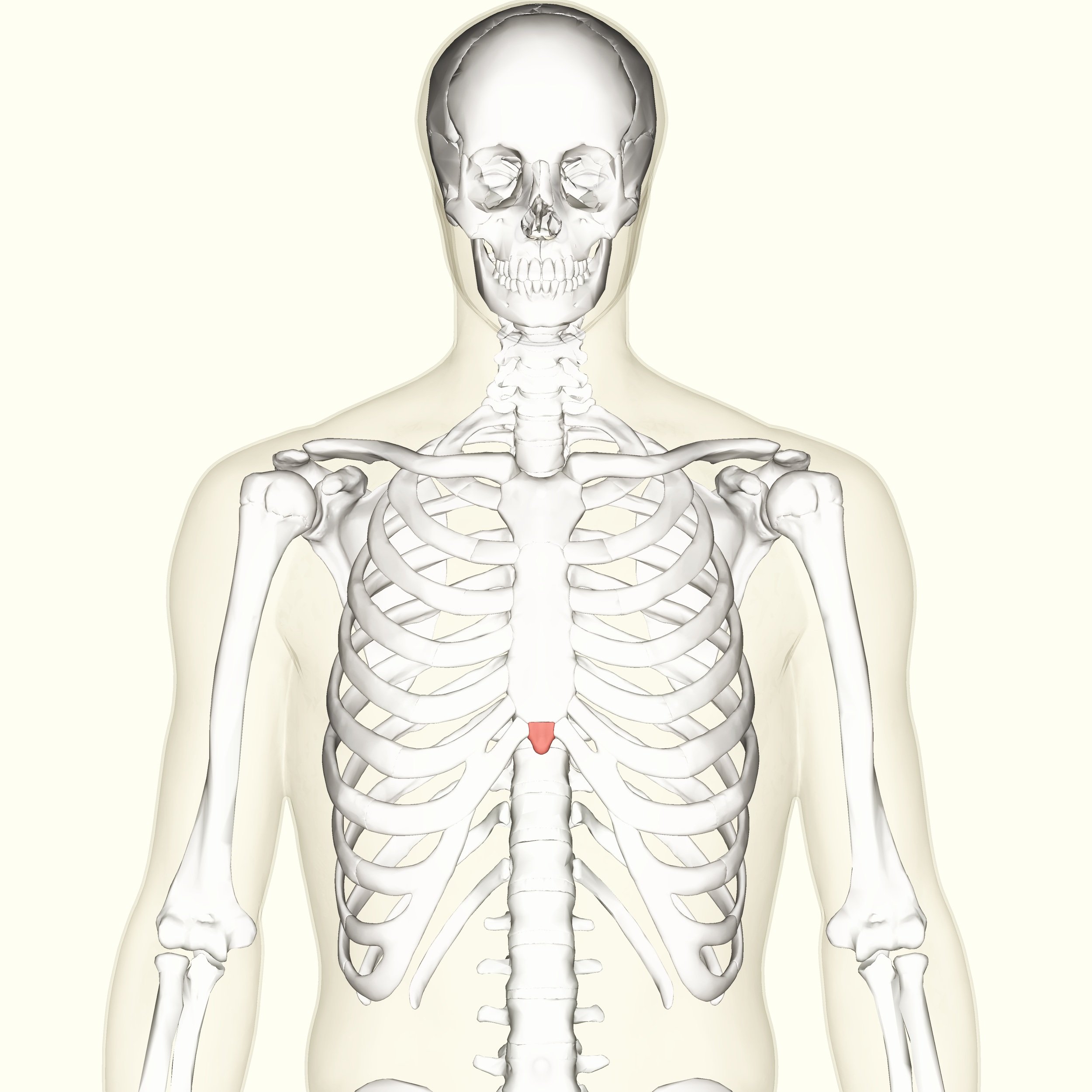
Sternum (1)
Manubrium (segment)
Gladiotis (segment)
Xiphoid process (segment)


The Appendicular Skeleton (126 bones)
-
Shoulders (4)
Scapula (2)
Clavicle (2)
Arms (6)
Humerus (2)
Radius (2)
Ulna (2)
Wrists/Carpals (16)
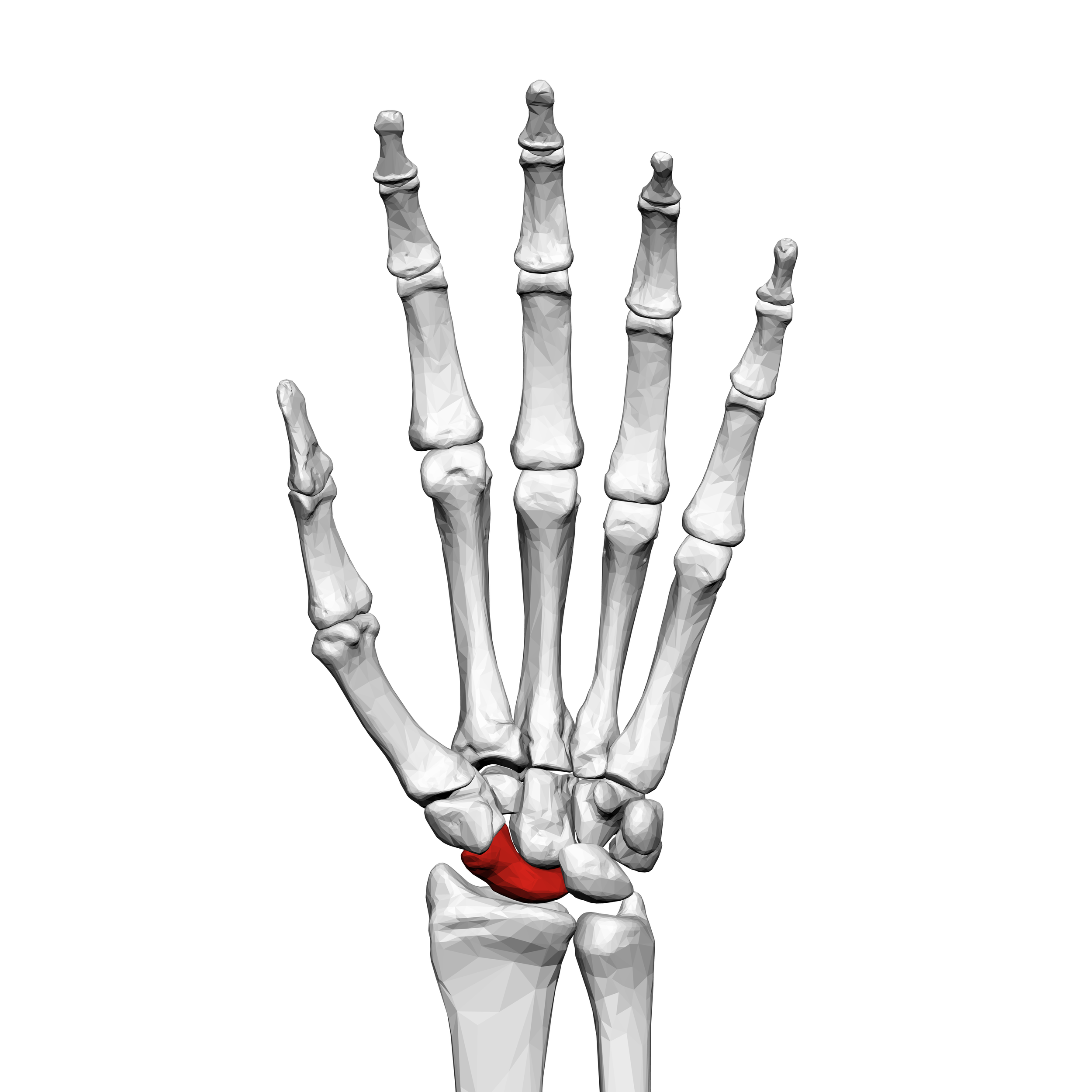
Scaphoid (2)
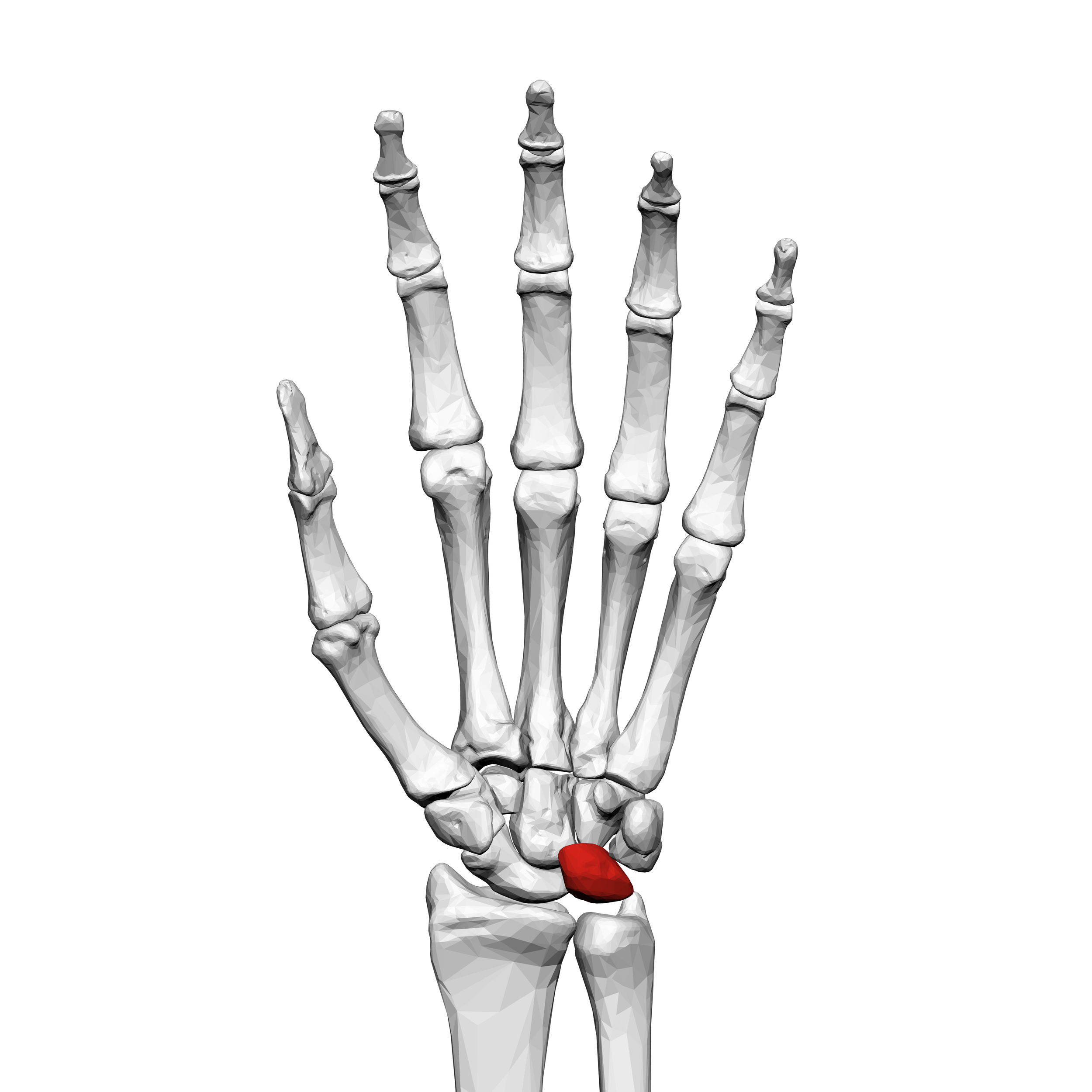
Lunate (2)
Triquetrum (2)
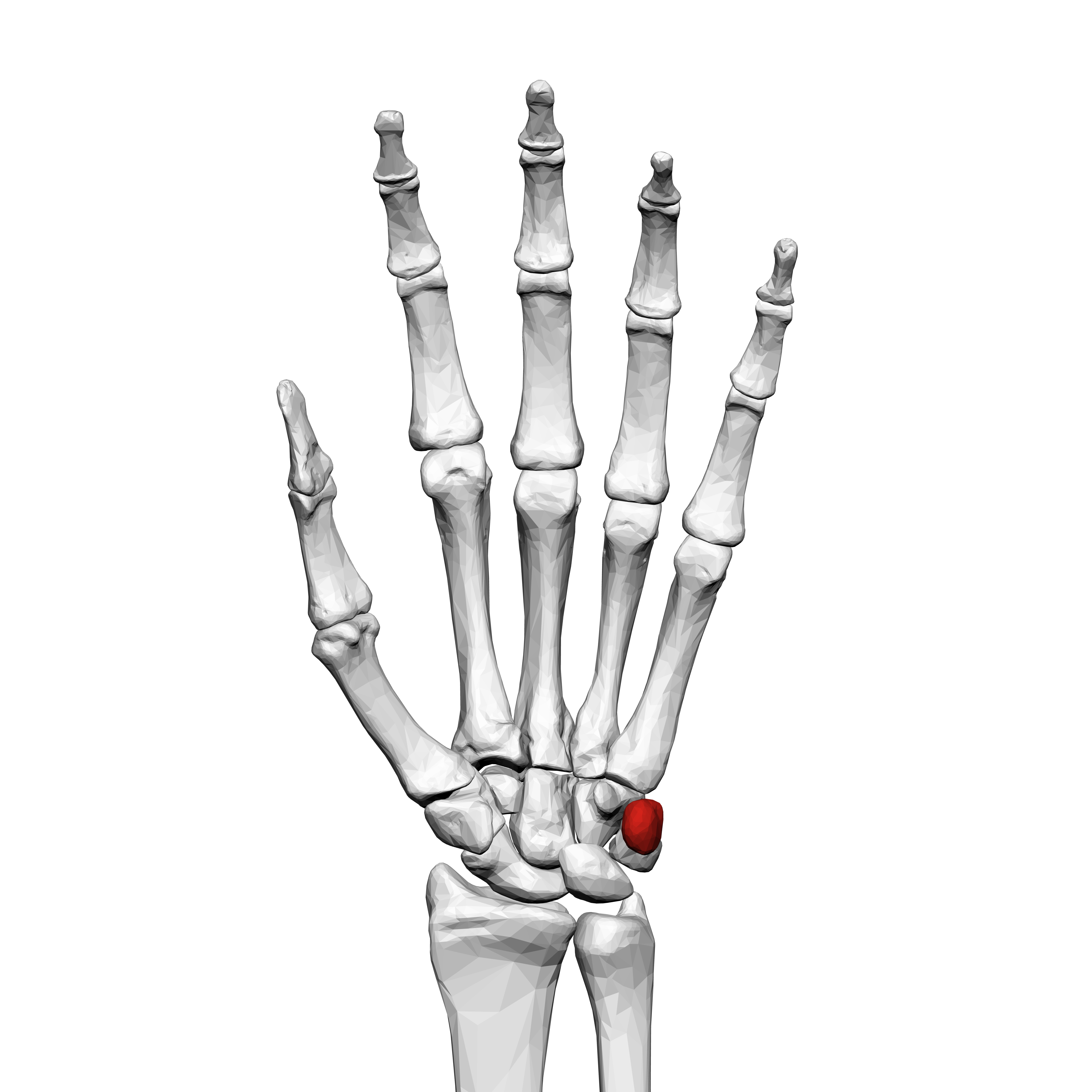
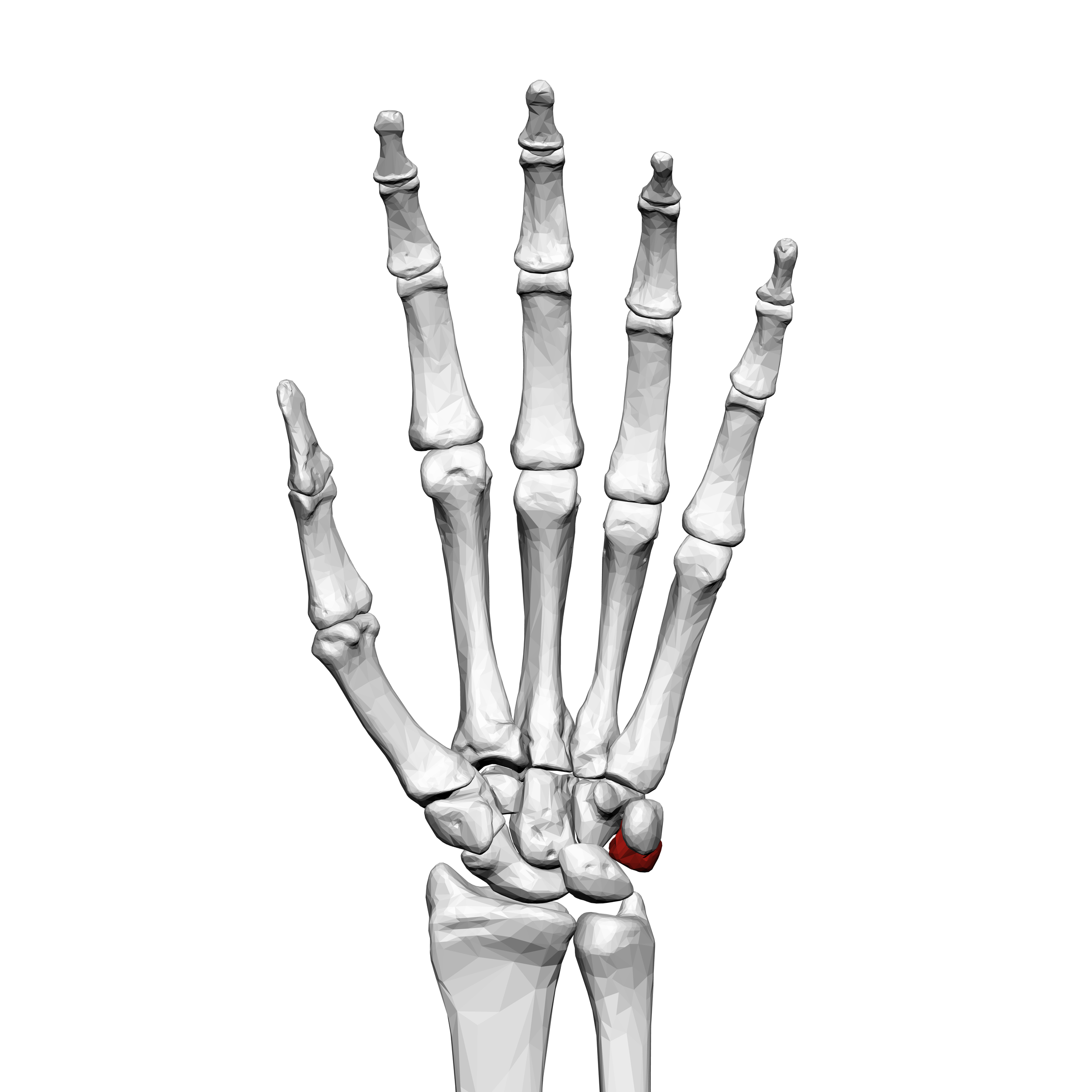
Pisiform (2)
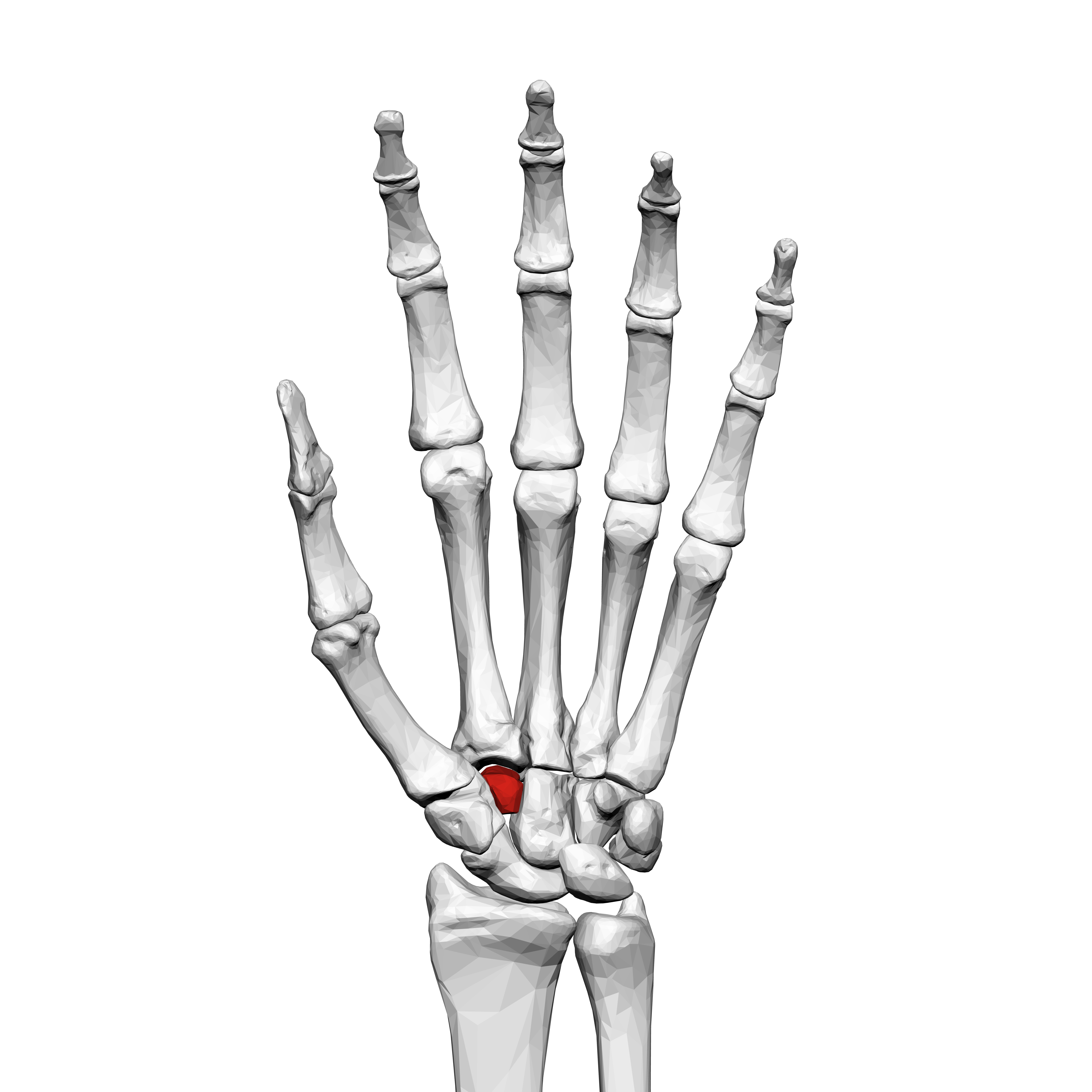
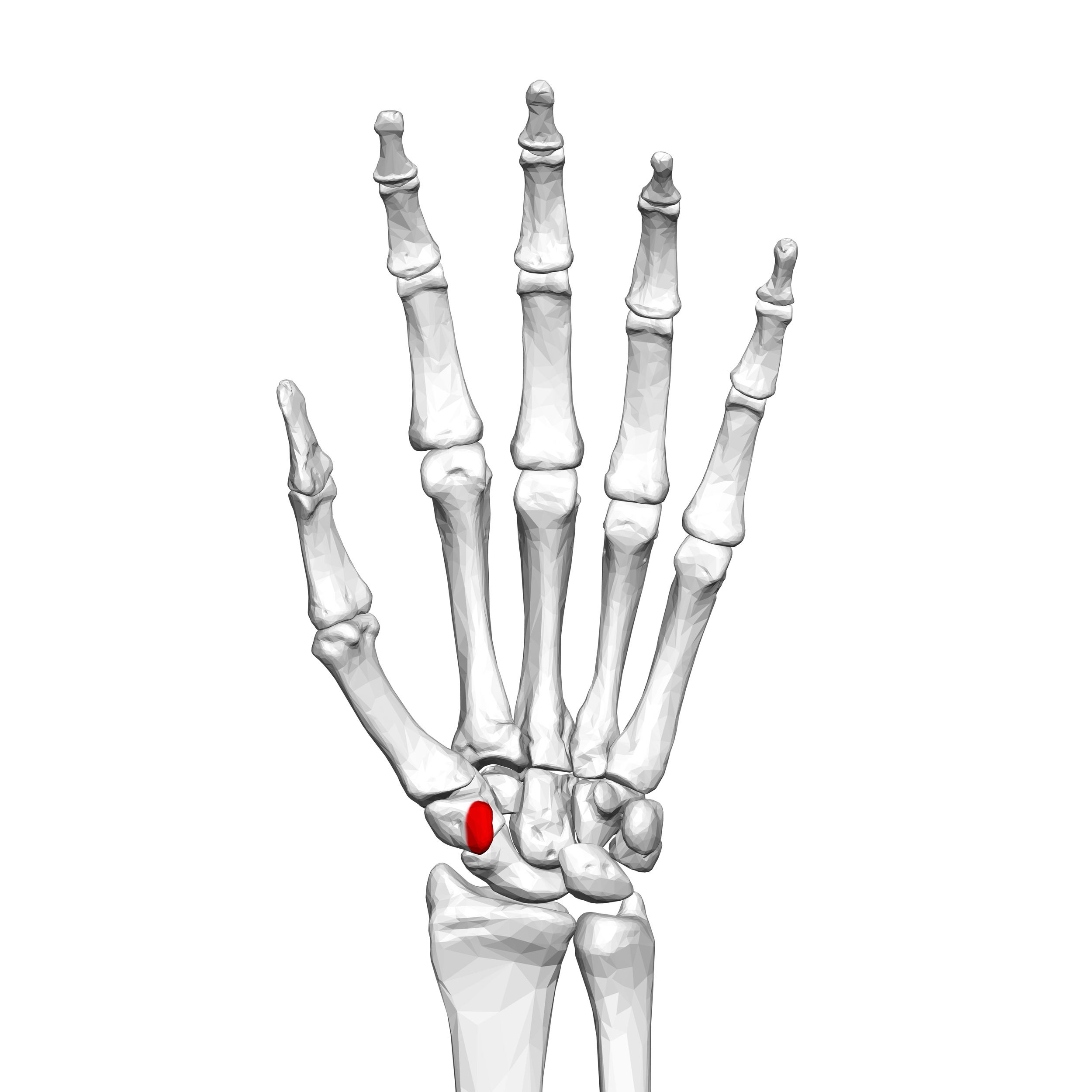
Trapezium (2)
Trapezoid (2)
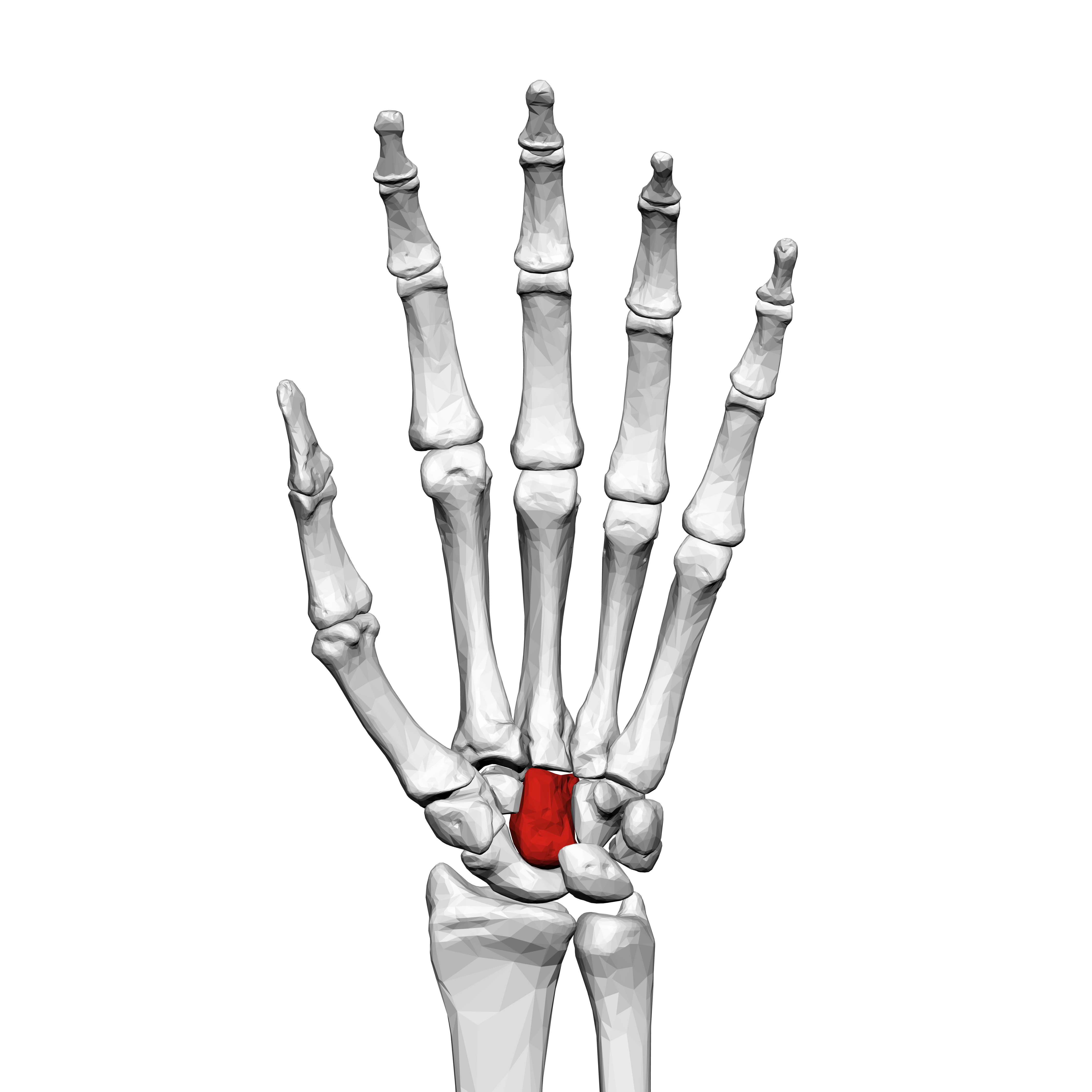
Capitate (2)
Hamate (2)
Hands (38)
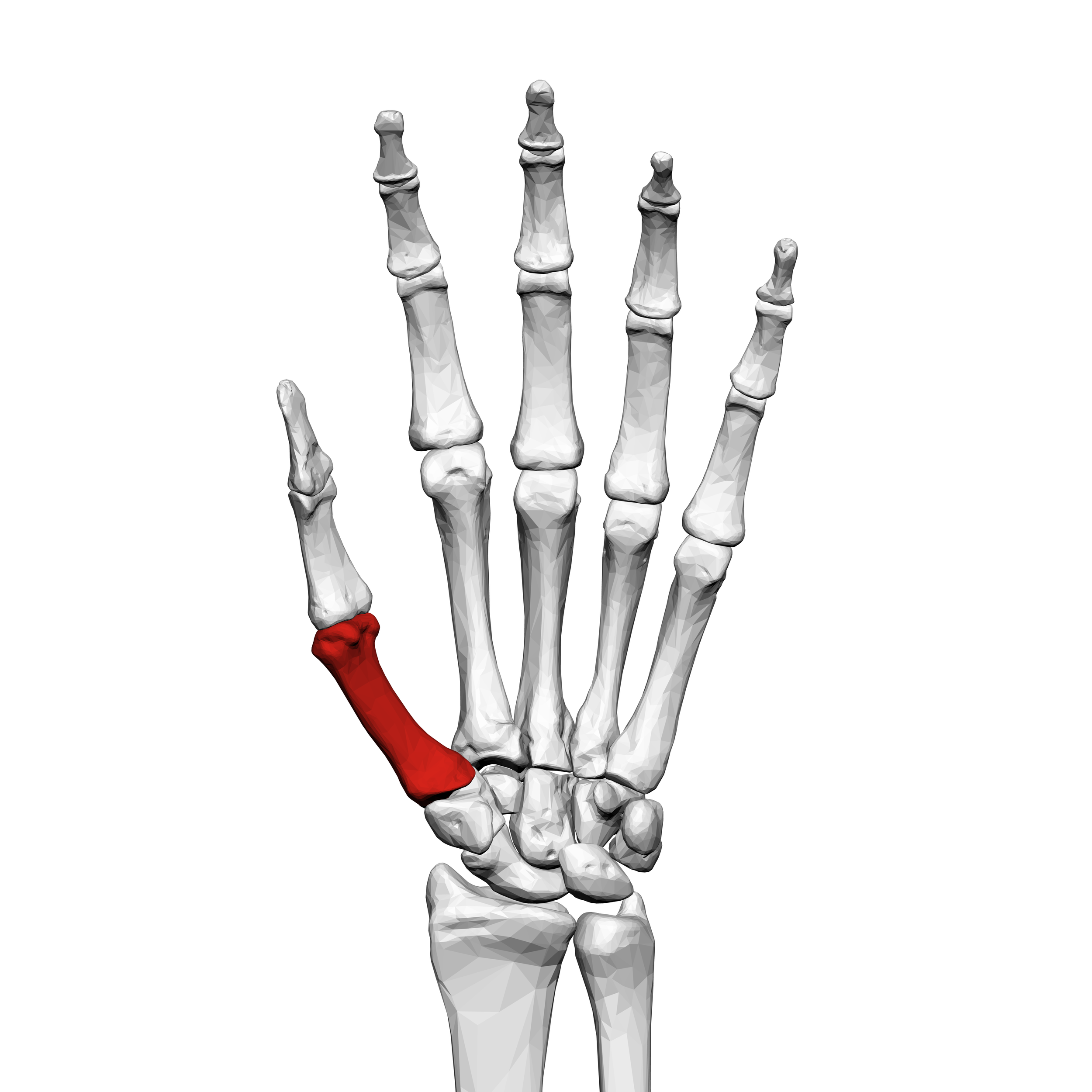
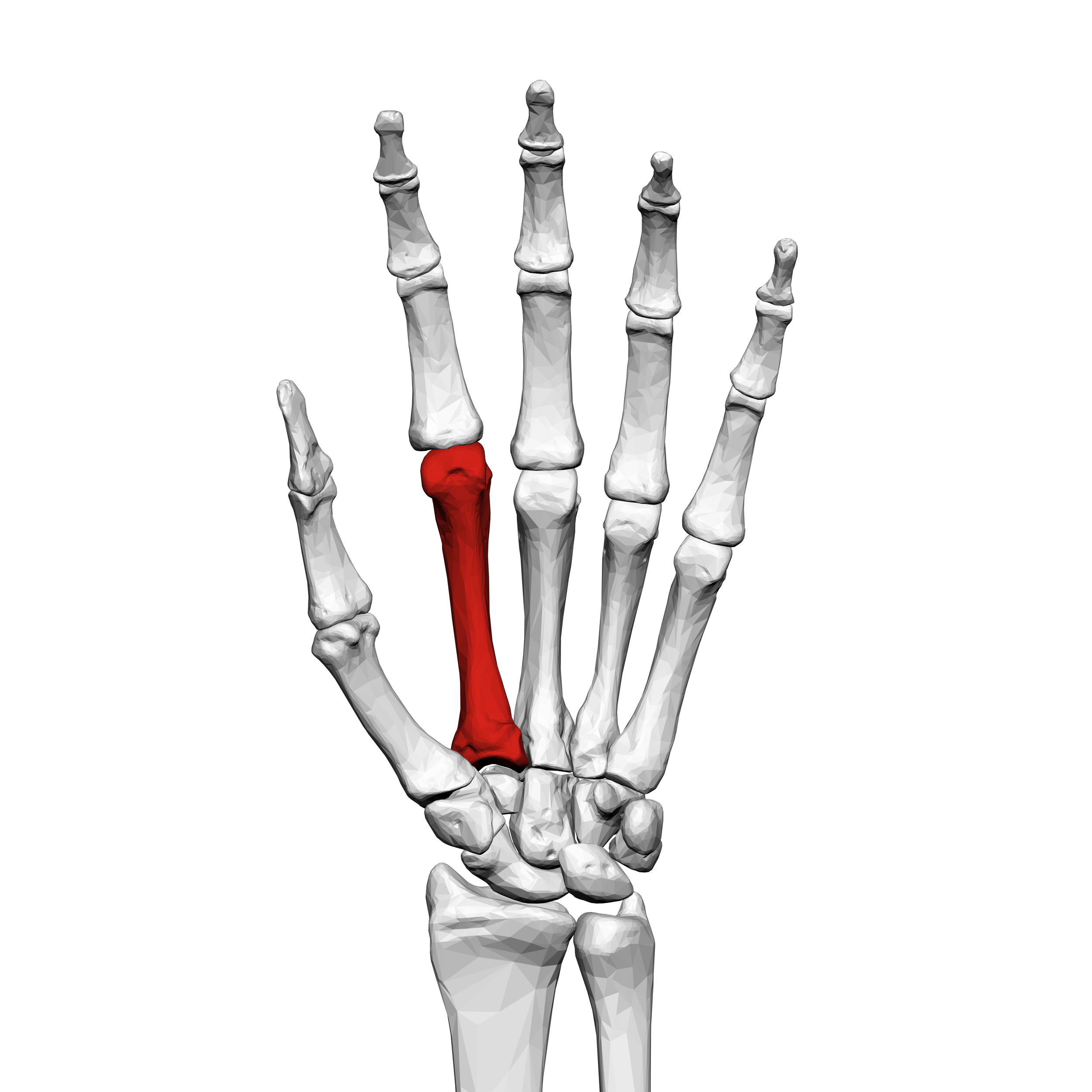
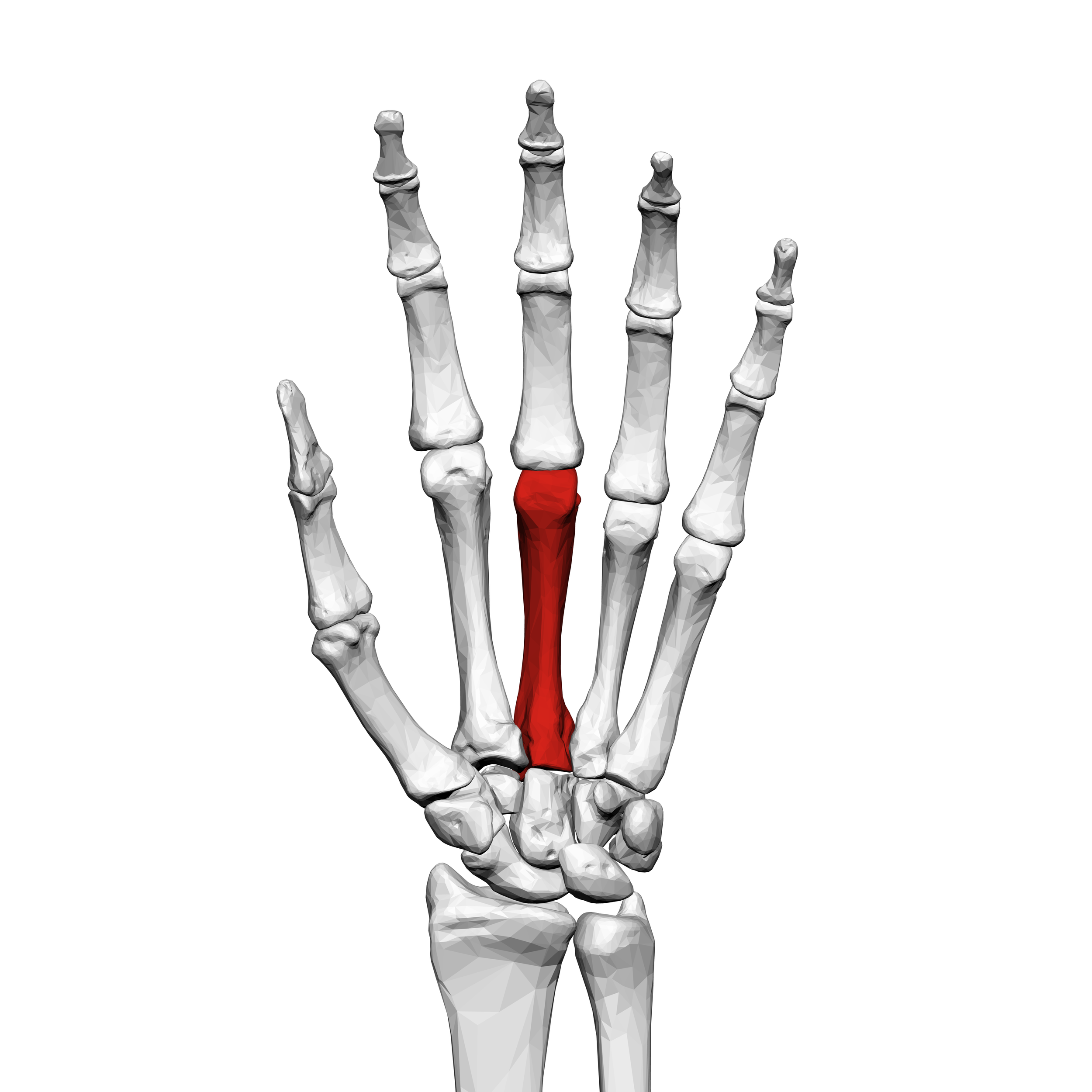
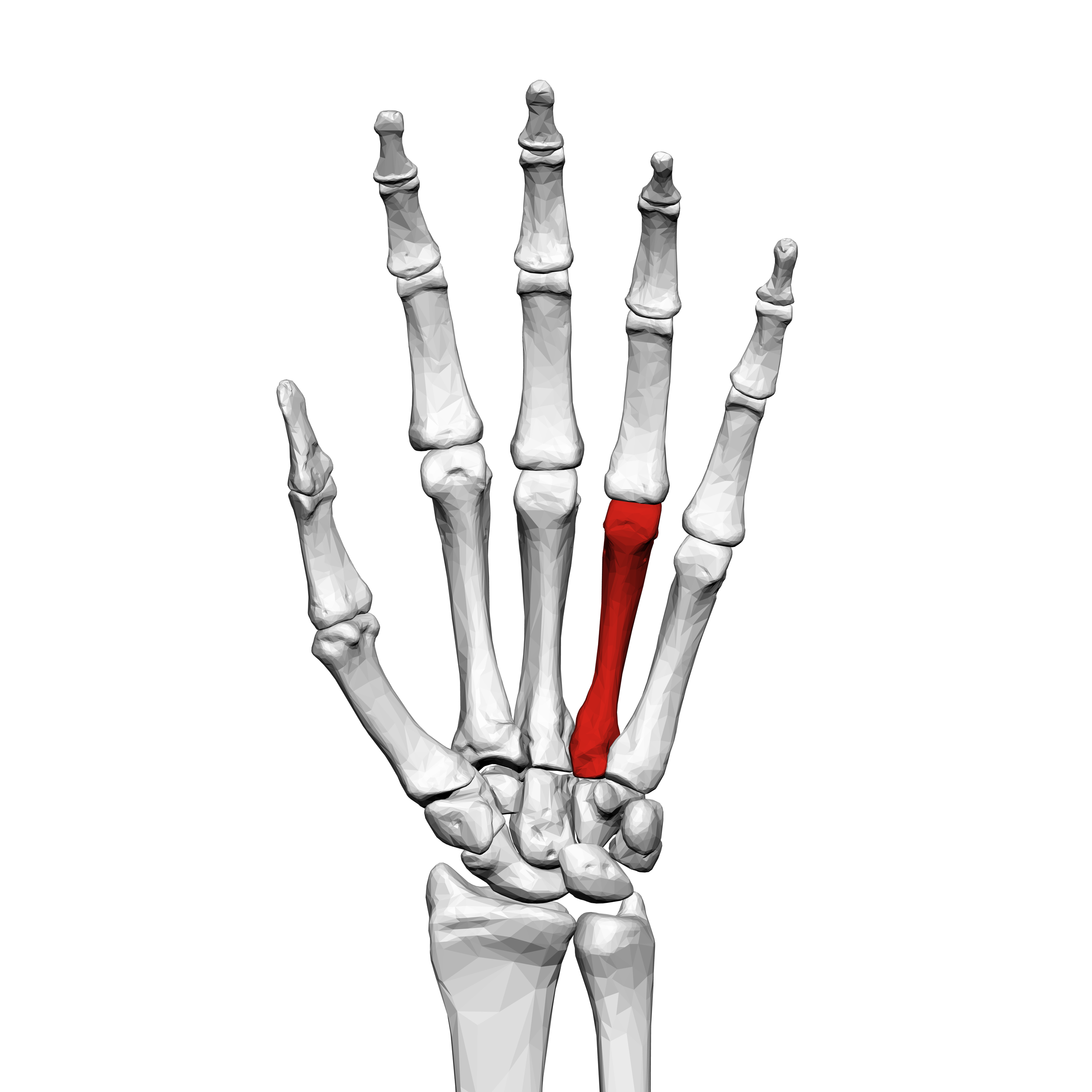
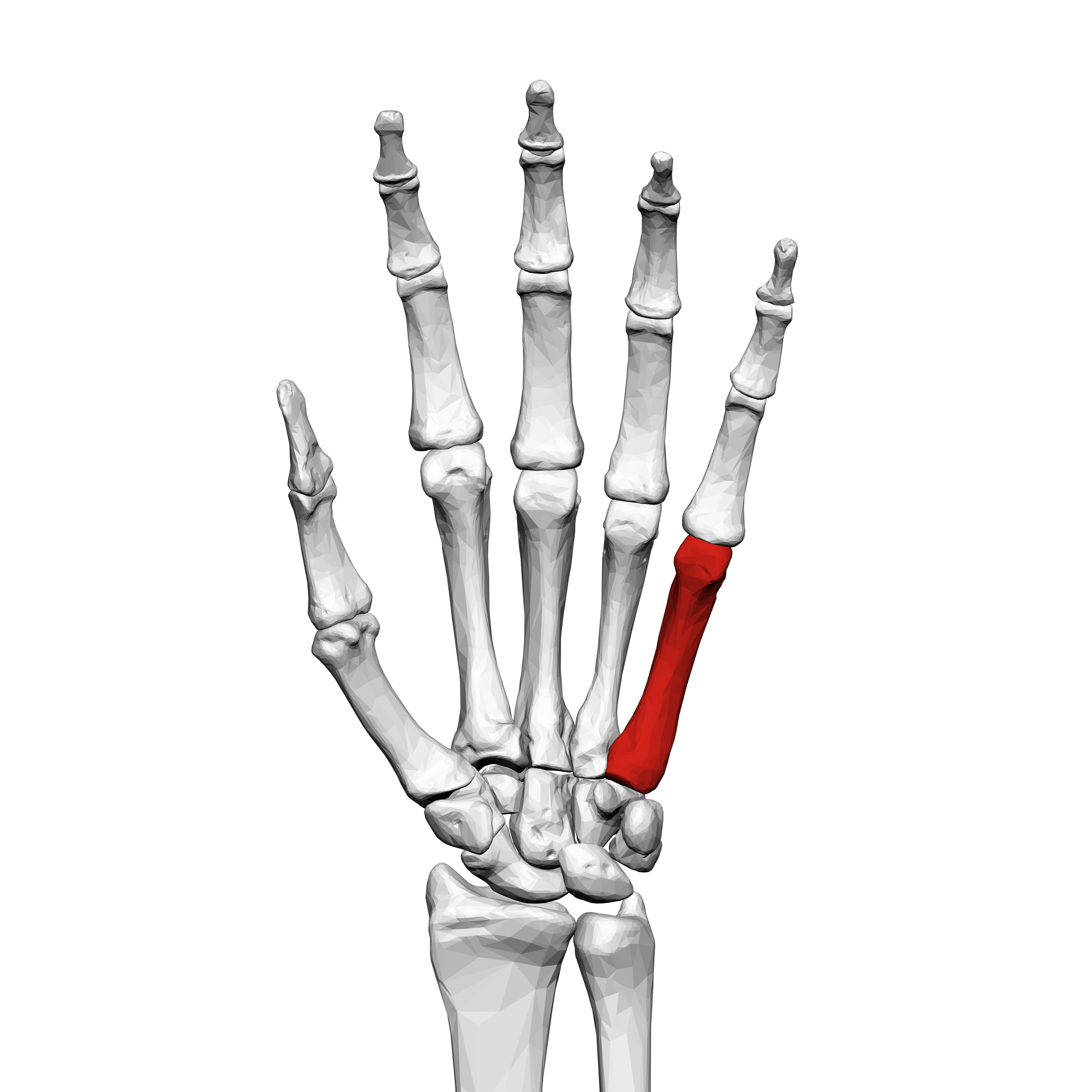
Metacarpals I-V (10)
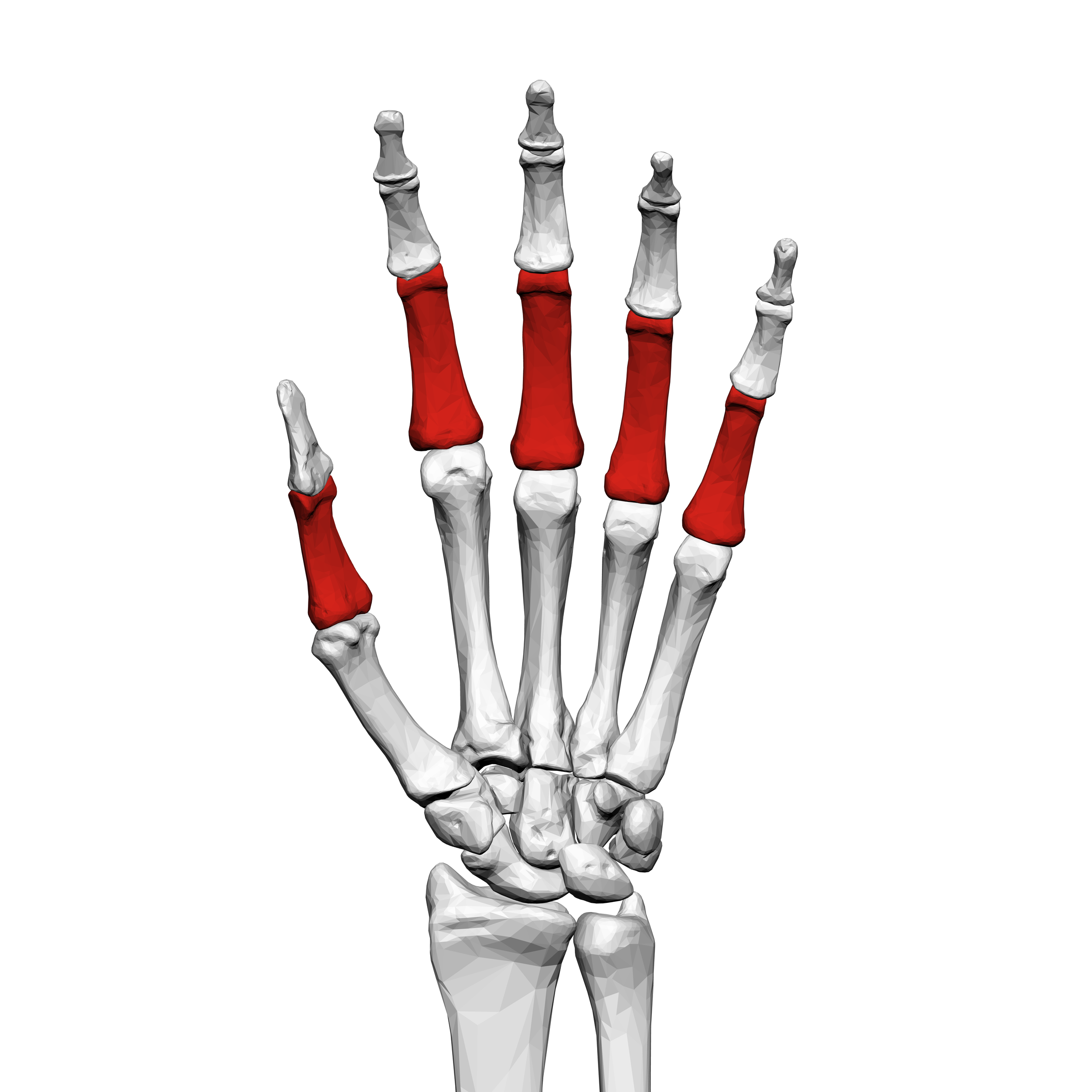
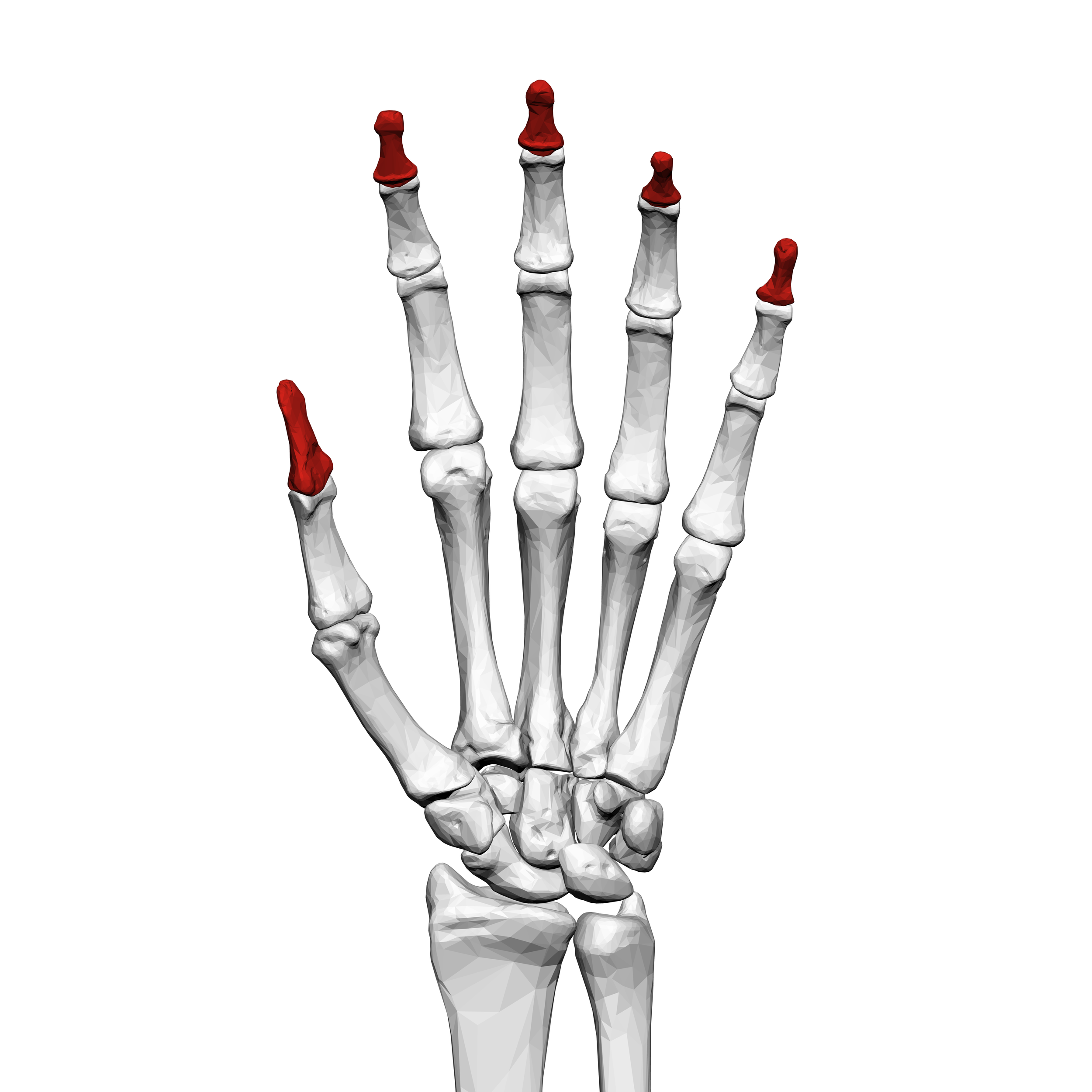
Proximate Phalanges I-V (10)
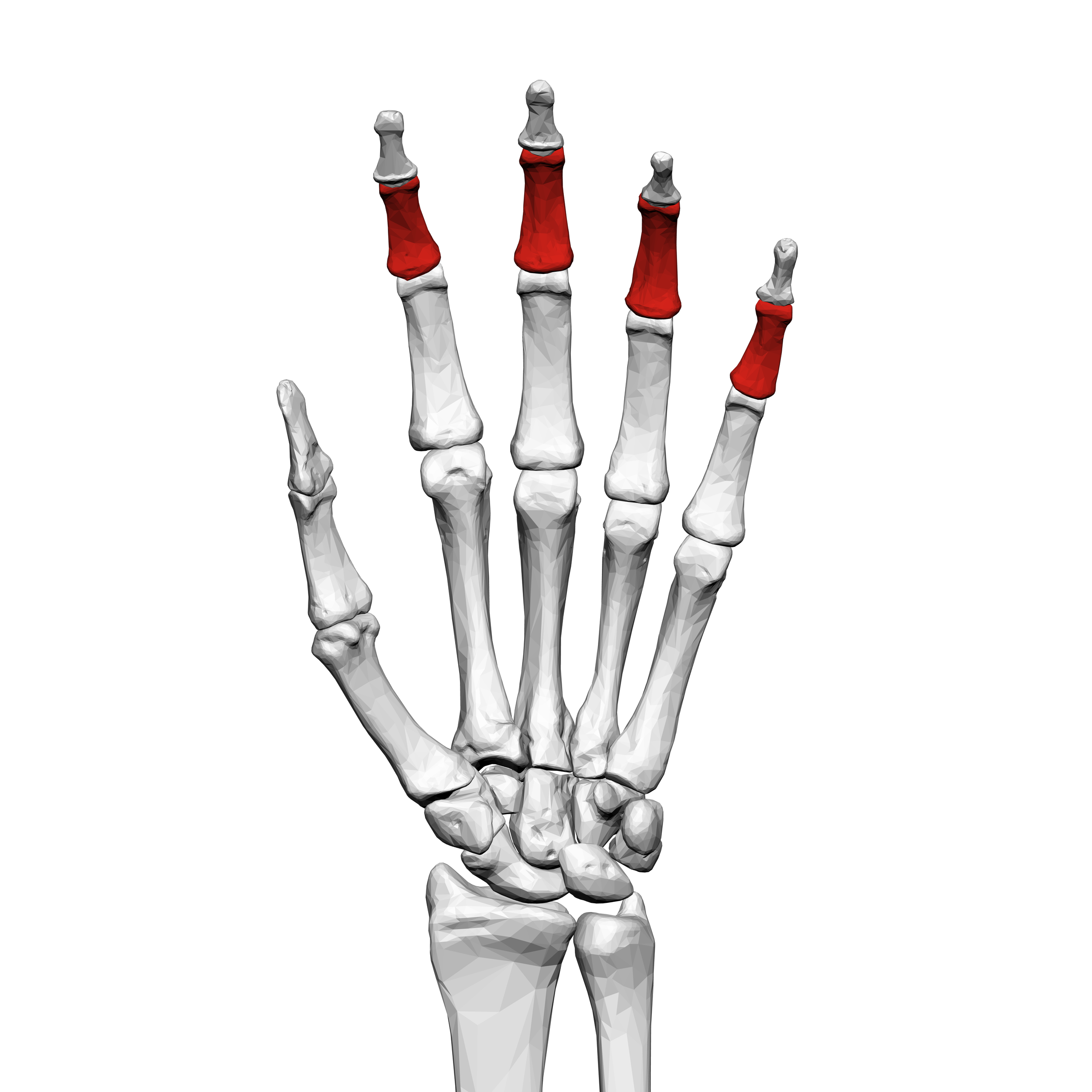
Intermediate Phalanges II-V (8)
Distal Phalanges I-V (10)
-
Pelvis (2)
Hip Bone (2)
Legs (8)
Femur (2)
Patella (2)
Tibia (2)
Fibula (2)
Ankles/Tarsals (14)
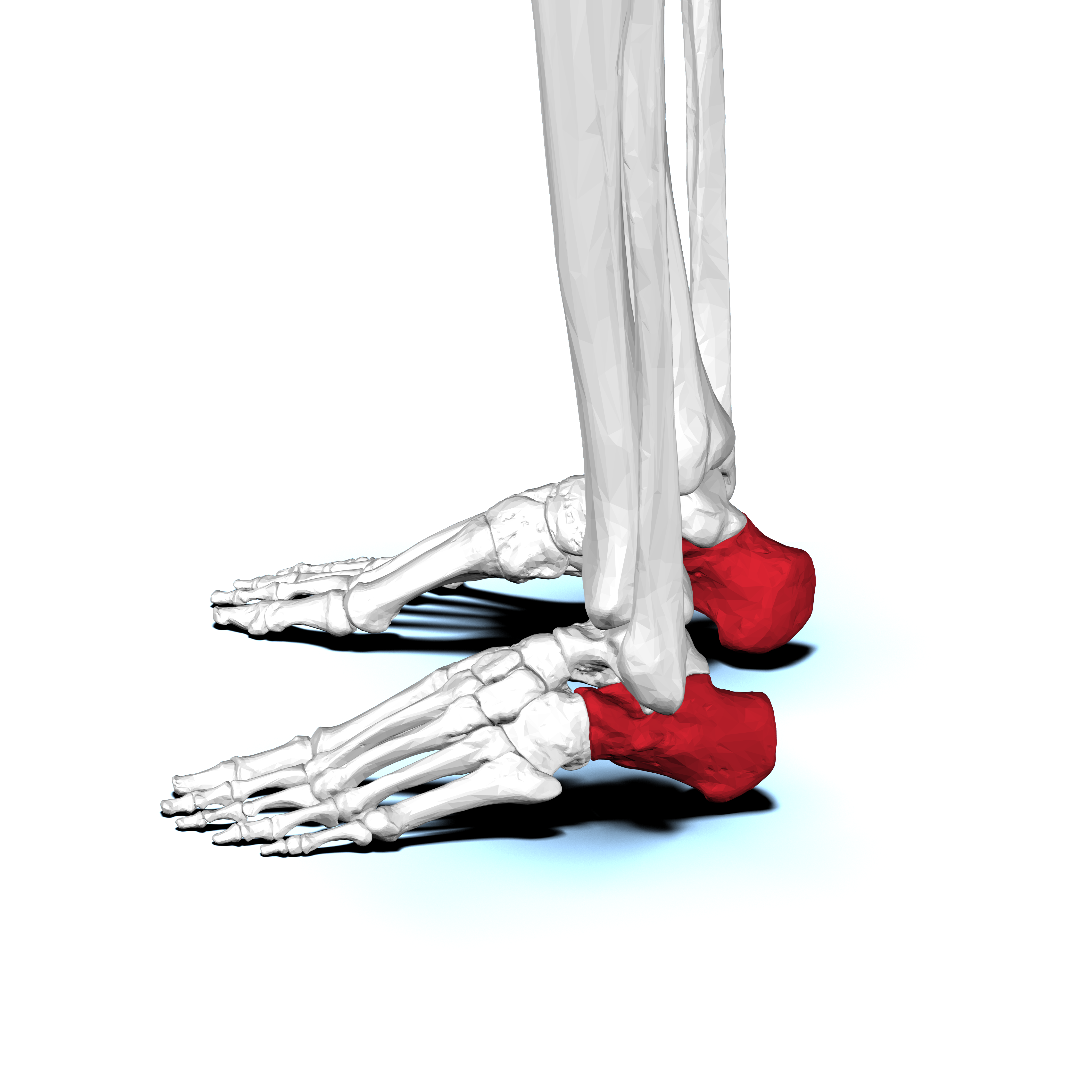
Calcaneus (2)
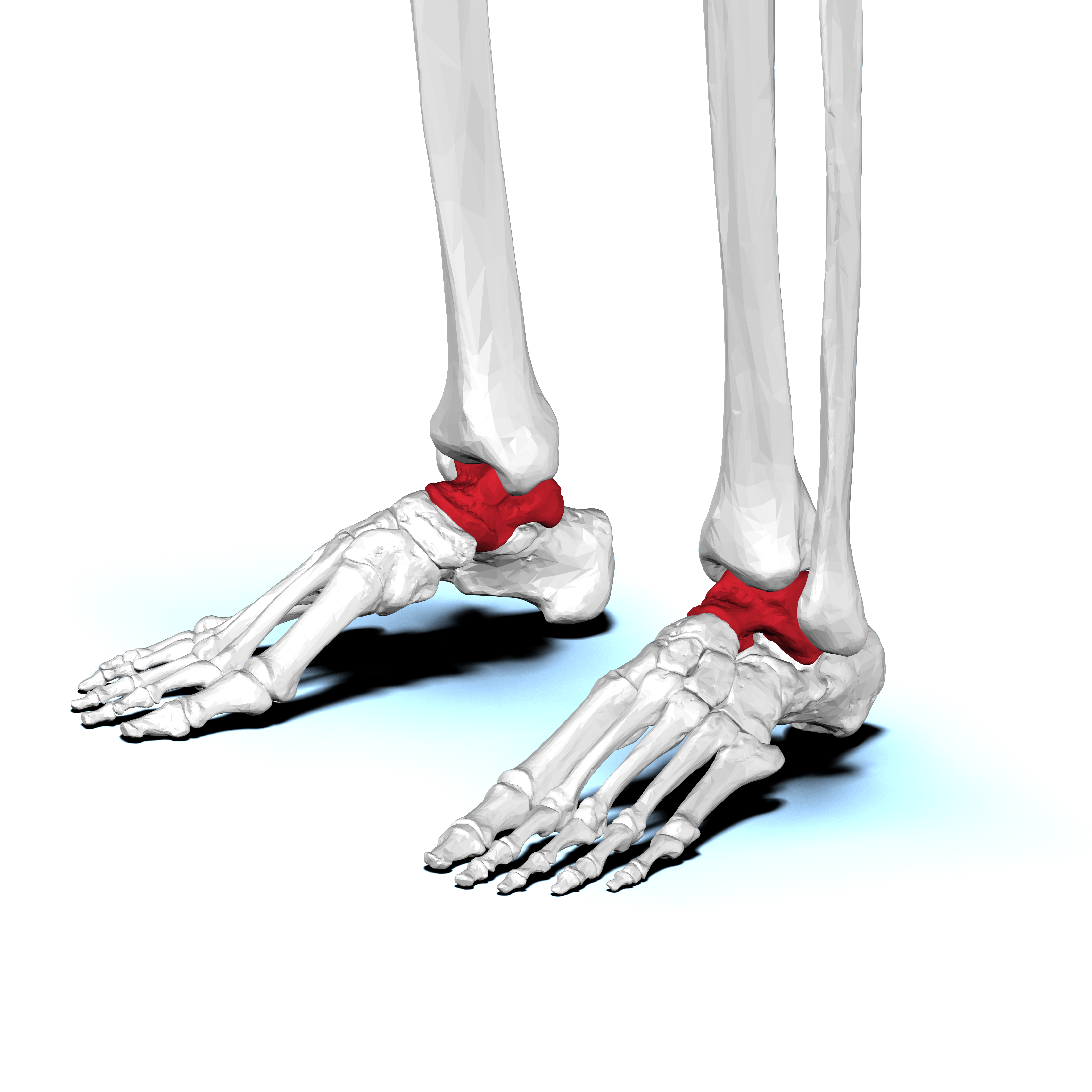
Talus (2)
Navicular (2)
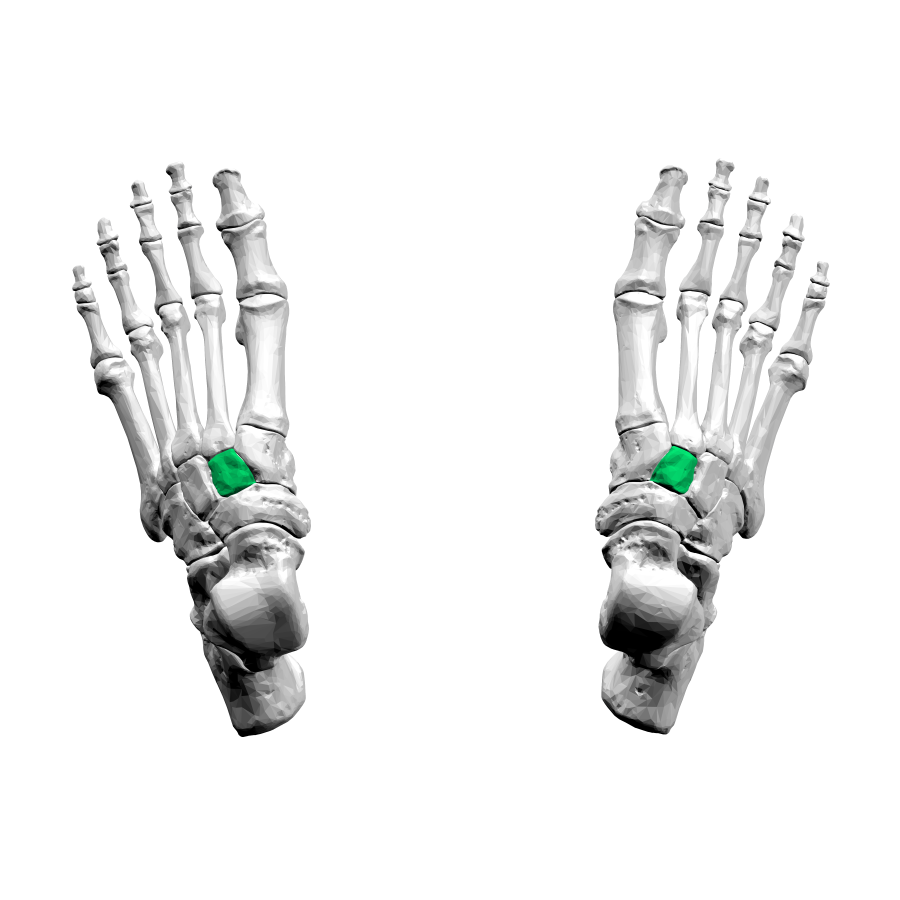
Cuboid (2)
Medial Cuniform (2)
Intermediate Cuneiform (2)
Lateral Cuniform (2)
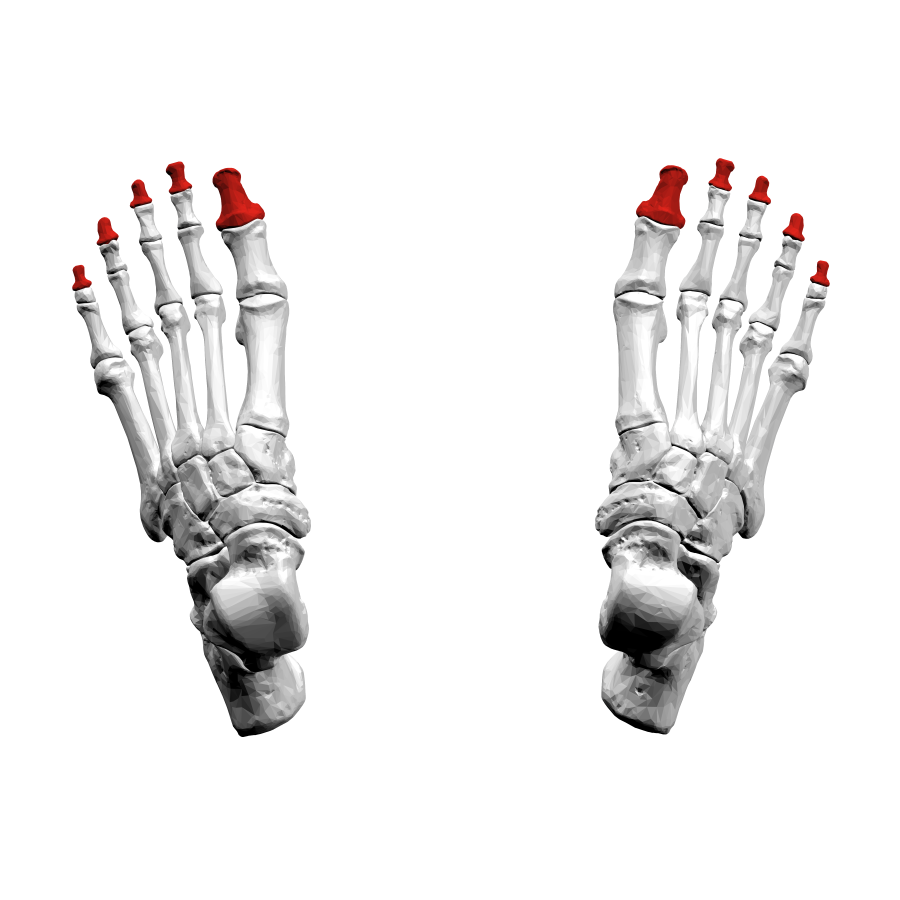
Feet (38)
Metatarsals I-V (10)
Proximate Phalanges I-V (10)
Intermediate Phalanges II-V (8)
Distal Phalanges I-V (10)


Mnemonics
Cranial Bones
Fiercely Powerful Orangutans Tackle Strong Elephants:
Frontal (Latin frons "brow, forehead")
Parietal (Latin parietalis "of walls")
Occipital (Latin ob "in back of" + caput "head")
Temporal (Latin temporalis "of time”)
Sphenoid (Greek sphen "a wedge" + eidos "form")
Ethmoid (Greek ethmos “a sieve”)


Facial Bones
Many Zany Merry Nudists Like Very Pretty Images:
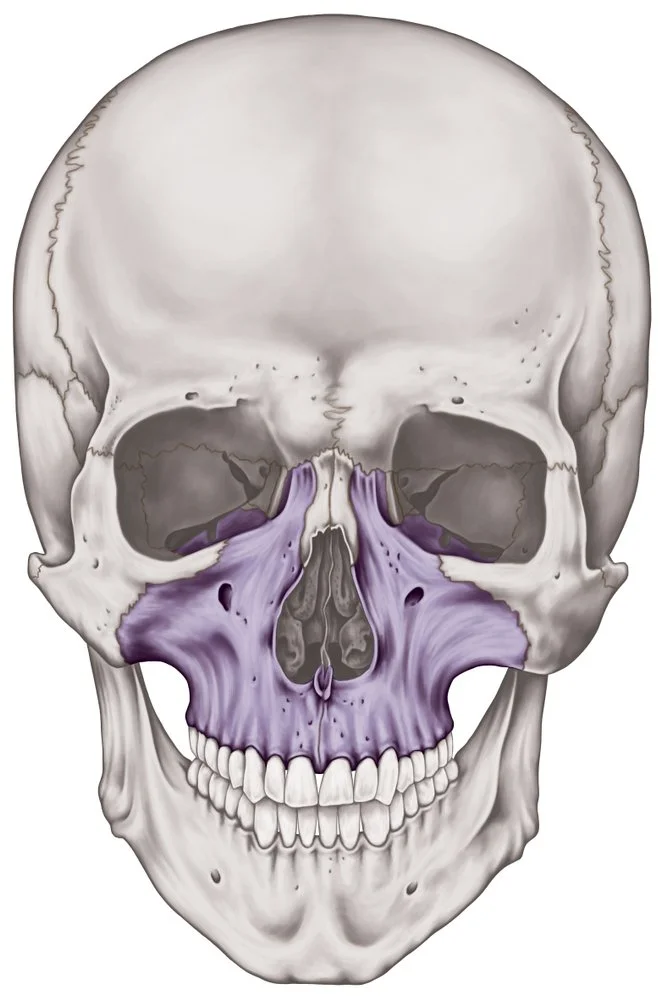
Maxilla (Latin maxilla "upper jaw")
Zygomatic (Greek zygoma, from zygon "yoke")
Mandible (Latin mandere "to chew")
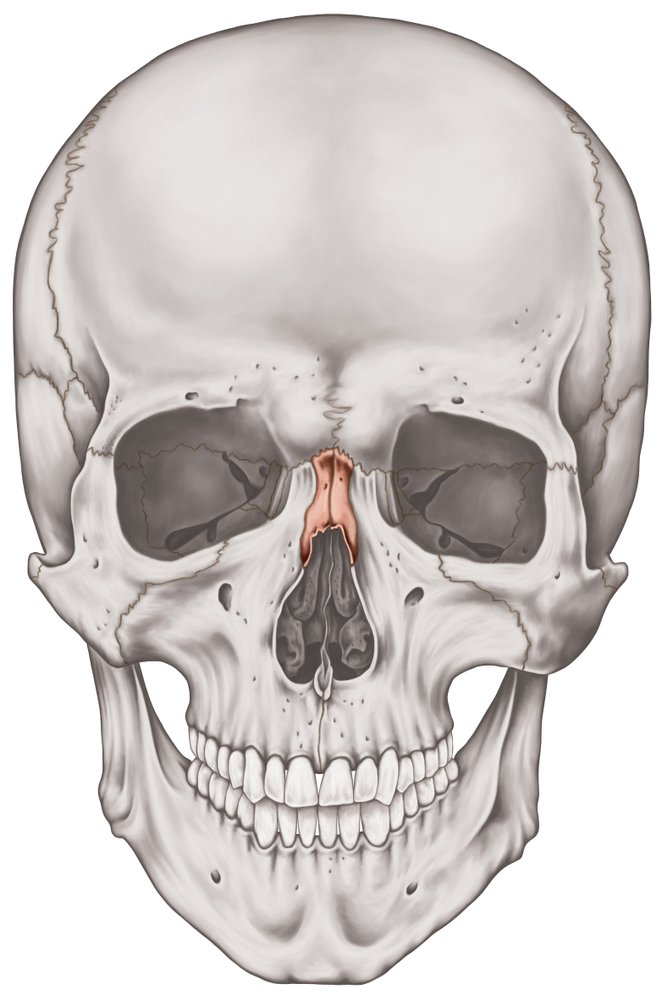
Nasal (Latin nasus "nose, the nose, sense of smell")
Lacrimal (Latin lacrima, lacryma "a tear")
Vomer (Latin vomer "plowshare")
Palatine (Latin palatinus "of the palace")
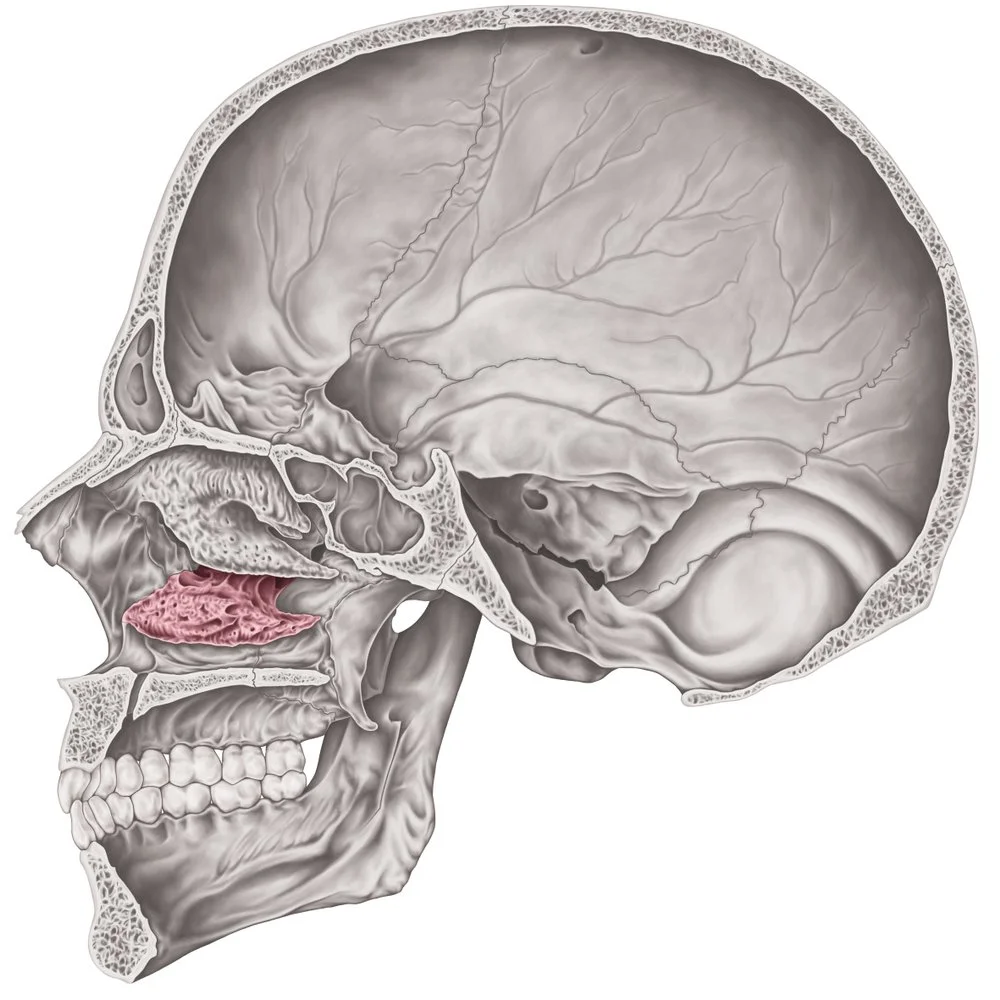
Inferior Nasal Concha (Latin concha "shellfish, mollusk")




Middle Ear Bones
Meanings Include Sound:
Malleus (Latin malleus "a hammer")
Incus (Latin incus "anvil")
Stapes (Latin stapes "stirrup")


Hyoid Bone
Humanoid Hyoid:
Hyoid (Greek hyoeides "shaped like the letter U")

Cervical Bones
Breakfast at 7am:
Cervical (Latin cervix "the neck, nape of the neck")




Thoracic Bones
Lunch at 12pm:
Thoracic (Latin thorax "the breast, chest; breastplate")


Lumbar Bones
Dinner at 5pm:
Lumbar (Latin lumbus "loin")


Sacral Bone(s)
Sacred hours between 1-5am:
Sacrum (Latin sacrum, neuter of sacer "sacred")

Coccyx Bone(s)
Cuckoo between 1-3-5am:
Coccyx (Greek kokkyx "cuckoo")

Rib Cage
Ribs at 12pm:
Rib (Old English ribb "a rib; one of a series of long, slender, curved bones of humans and animals, forming a kind of cage or partial enclosure for the chief organs")






Sternum
Mighty Gladiator’s eXcalibur:
Manubrium (Latin manubrium "handle, hilt")
Gladiotis (Latin gladiolus "wild iris, sword-lily," literally "small sword")
Xiphoid Process (Greek xiphos "a sword," + Latin processus "a going forward, advance, progress")



Shoulder Bones
Shoulder-blade, Collarbone:
Scapula (Latin scapulae "shoulders, shoulder blades," perhaps originally "spades, shovels")
Clavicle (Latin clavicula, literally "small key, bolt")


Arm Bones
Humorous Radars Underneath:
Humerus (Latin humerus, a common spelling of umerus "shoulder")
Radius (Latin radius "staff, stake, rod; spoke of a wheel; ray of light, beam of light; radius of a circle")
Ulna (Latin ulna "the elbow")


Wrist Bones (Carpals)
She Likes To Play, Try To Catch Her:
Scaphoid (Latin scaphoides "boat-shaped")
Lunate (Latin lunatus "half-moon shaped,")
Triquetrum (Latin triquetrus "having three corners)
Pisiform (Latin pīsum "pea")
Trapezium (Greek trapezion literally "a little table," from tra- "four" + peza "foot, edge")
Trapezoid (Greek trapezoeides "trapezium-shaped," from trapeza, literally "table" + -oeides "shaped")
Capitate (Latin capitatus "headed," from caput "head")
Hamate (Latin hamatus ‘hooked’, from hamus ‘hook’)







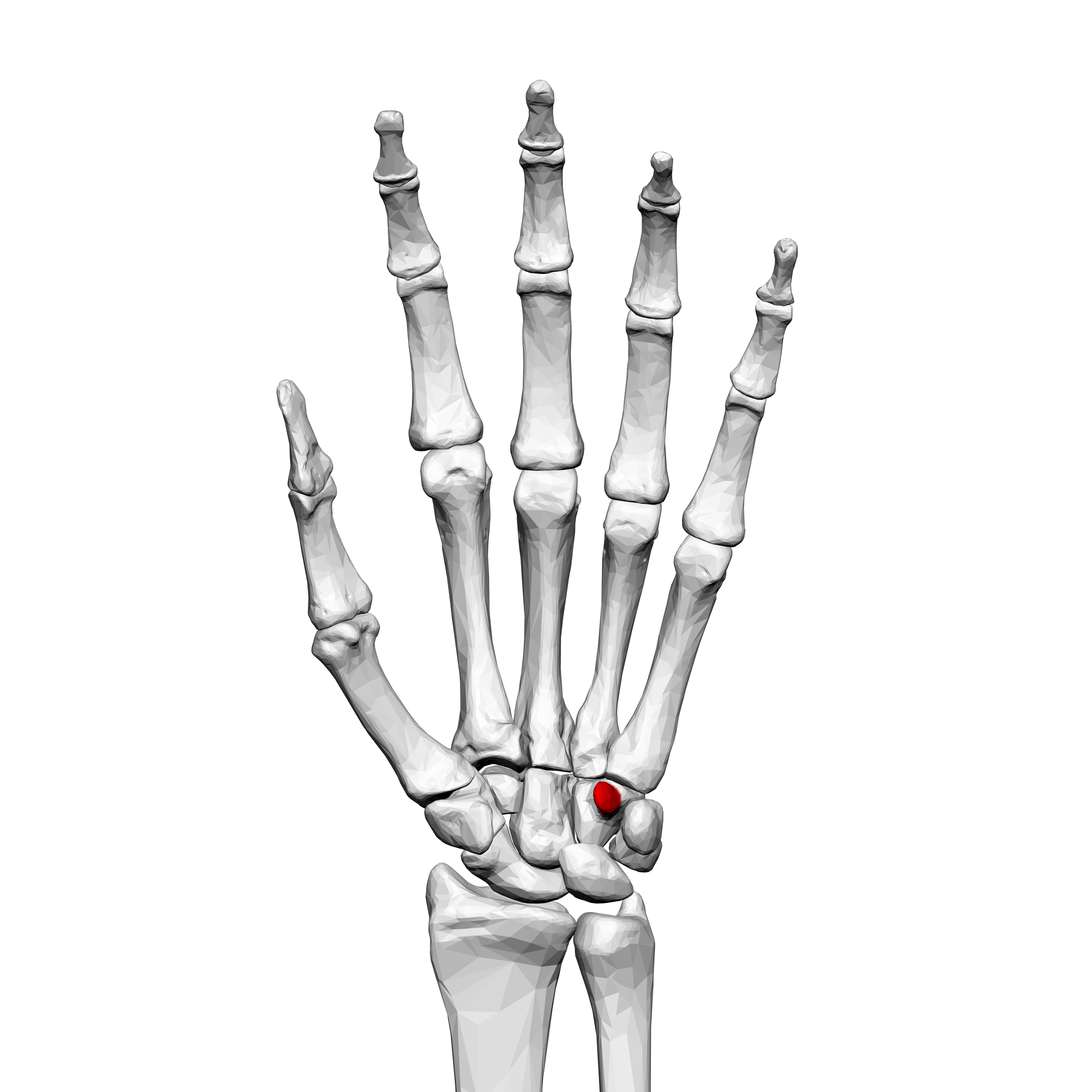
Hand Bones
Index finger is 2, Middle finger is 3:
Carpal (Latin carpalis, from carpus "wrist")
Phalanges (Greek phalanx "line of battle, battle array")


Pelvis Bones
Mnemonic (for sites on the bone):
Ilium ‘illuminated’ hips
Ischium ‘itchy’ sit bones
Pubis ‘pubic’ bone
Etymology:
Pelvis (Latin peluis "basin")

Leg Bones
Feline Pranksters Tell Fibs:
Femur (Latin femur "thigh, upper part of the thigh")
Patella (Latin patella "small pan or dish”)
Tibia (Latin tibia "shinbone," also "pipe, flute")
Fibula (Latin fibula "clasp, brooch; bolt, peg, pin")


Ankle Bones (Tarsals)
Calcaneus like ‘callus’, Talus like ‘talons’:
Calcaneus (Latin (os) calcaneum "bone of the heel," from calcem "heel")
Talus (Latin talus "ankle, anklebone, knucklebone", related to taxillus "a small die, cube")


Foot Bones
Never Cease Chasing The Prize:
Navicular (Latin navicularis "pertaining to a boat," from navicula, diminutive of navis "ship")
Cuboid (Greek kybos "a six-sided die")
Cuniform (Latin cuneus "a wedge, wedge-shaped thing")
Tarsal (Greek tarsos "ankle, sole of the foot, rim of the eyelid," originally "flat surface, especially for drying")
Phalanges (Greek phalanx "line of battle, battle array")




Bone Functions
-
The axial skeleton forms the central "trunk" of your body. Its primary jobs are to protect the vital organs of the head, neck, and torso and to provide a stable foundation for the limbs.
1. The Skull (29 bones)
Cranial Bones (8):
Frontal: Forms the forehead and the upper part of the eye sockets; protects the frontal lobe of the brain.
Parietal (2): Form the roof and sides of the cranium, shielding the brain’s surface.
Occipital: Protects the back of the brain and provides the opening (foramen magnum) for the spinal cord to connect to the brainstem.
Temporal (2): Shield the structures of the inner ear (hearing and balance) and provide a site for jaw muscle attachment.
Sphenoid: A butterfly-shaped bone that acts as a "keystone," connecting nearly all other cranial bones and protecting the pituitary gland.
Ethmoid: Forms part of the nasal cavity and the floor of the cranium; it filters air entering the nose.
Facial Bones (14):
Maxilla (2): Forms the upper jaw, the floor of the orbits, and the hard palate.
Zygomatic (2): Your cheekbones; they provide facial structure and protect the eyes.
Mandible: The lower jaw bone; it is the only movable skull bone, essential for chewing and speech.
Nasal (2): Form the bridge of the nose.
Inferior Nasal Concha (2): Curved bones inside the nose that increase surface area to warm and filter inhaled air.
Vomer: A thin, flat bone that forms the lower part of the nasal septum.
Palatine (2): Form the back part of the hard palate (roof of the mouth).
Lacrimal (2): Tiny bones at the inner corner of the eyes that house the tear ducts.
Middle Ear (6):
Malleus, Incus, and Stapes (2 each): The smallest bones in the body. They vibrate in sequence to transmit sound waves from the eardrum to the inner ear.
Hyoid (1):
A U-shaped bone in the throat that does not touch any other bone; it supports the tongue and aids in swallowing.
2. The Spine (26 or 34 bones)
The vertebral column protects the spinal cord and supports the weight of the upper body.
Cervical (C1–C7): Support the neck and head. C1 (Atlas) allows for nodding, while C2 (Axis) allows for rotation.
Thoracic (T1–T12): Provide attachment points for the ribs and help stabilize the upper back.
Lumbar (5): Large, thick vertebrae that bear the heaviest load of the body's weight.
Sacrum (1 or 5 fused): A triangular bone that wedges into the pelvis to stabilize the lower spine.
Coccyx (1 or 3–5 fused): The "tailbone"; provides attachment for ligaments and muscles of the pelvic floor.
3. The Thorax (25 bones)
Rib Cage (24):
True Ribs (R1–R7): Connect directly to the sternum; they protect the heart and lungs.
False Ribs (R8–R10): Connect to the sternum via the cartilage of the rib above them.
Floating Ribs (R11–R12): Attached only to the spine; they provide protection for the kidneys.
Sternum (1):
Manubrium: The upper segment; anchors the clavicles and first ribs.
Gladiolus (Body): The long middle section; protects the heart.
Xiphoid Process: The small cartilaginous tip; serves as an attachment point for the diaphragm.
-
The appendicular skeleton is designed for locomotion and the manipulation of objects in your environment.
1. Upper Limbs (64 bones)
Shoulders (4):
Scapula (2): Shoulder blades; provide a large surface area for muscles that move the arms.
Clavicle (2): Collarbones; act as struts to hold the arms out from the torso, allowing for a wide range of motion.
Arms (6):
Humerus (2): Upper arm bone; the lever for most lifting and pulling.
Radius (2): Forearm bone on the thumb side; allows for the rotation of the wrist.
Ulna (2): Forearm bone on the pinky side; forms the main hinge of the elbow.
Wrists/Carpals (16):
Scaphoid, Lunate, Triquetrum, Pisiform, Trapezium, Trapezoid, Capitate, Hamate: These small bones glide against each other to allow the wrist its incredible flexibility.
Hands (38):
Metacarpals (10): Bones of the palm.
Phalanges: The finger bones (Proximate, Intermediate, and Distal). They allow for fine motor tasks like writing or gripping.
2. Lower Limbs (62 bones)
Pelvis (2):
Hip Bone: Also known as the os coxae; it supports the weight of the torso and protects the reproductive and urinary organs.
Legs (8):
Femur (2): Thigh bone; the longest and strongest bone in the body, vital for walking and running.
Patella (2): Kneecap; protects the knee joint and increases the leverage of the thigh muscles.
Tibia (2): The shin bone; the primary weight-bearer of the lower leg.
Fibula (2): Provides stability to the ankle and serves as a muscle attachment point.
Ankles/Tarsals (14):
Calcaneus: The heel bone; the first point of contact during a stride.
Talus: The "ankle bone" that connects the leg to the foot.
Navicular, Cuboid, and Cuneiforms: These work together to form the arches of the foot for balance and shock absorption.
Feet (38):
Metatarsals (10): Form the sole of the foot.
Phalanges: The toe bones; they provide the necessary leverage for pushing off the ground during movement.
References:
Etymonline.com. 2022. Etymonline - Online Etymology Dictionary. [online] Available at: <https://www.etymonline.com/> [Accessed 20 January 2022].
FCAT (Federative Committee on Anatomical Terminology), (1998) Terminologia Anatomica: International Anatomical Terminology, Stuttgart, Thieme Publishing Group.
En.wikipedia.org. 2022. List of anatomy mnemonics - Wikipedia. [online] Available at: <https://en.wikipedia.org/wiki/List_of_anatomy_mnemonics> [Accessed 20 January 2022].