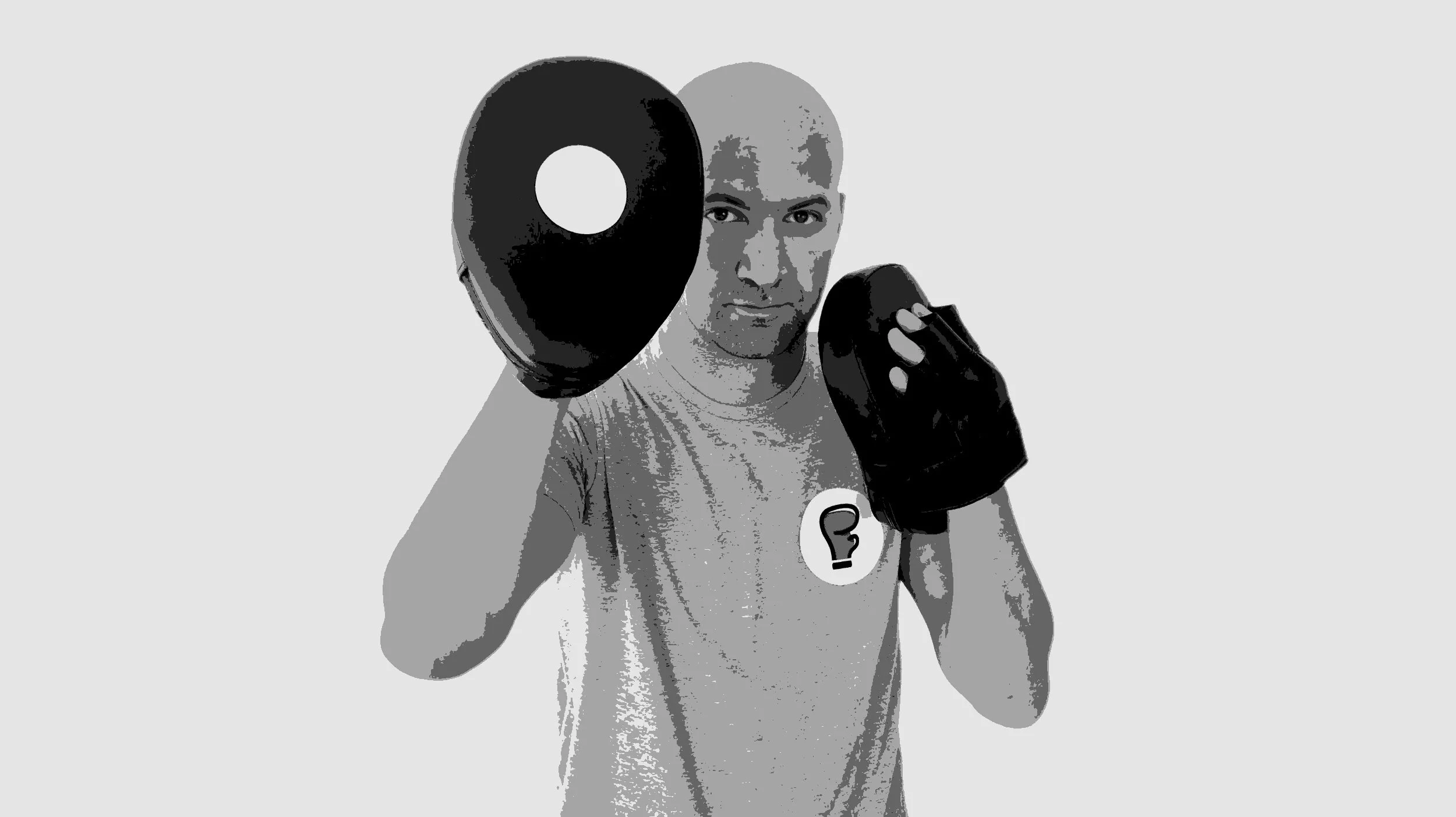
Many people are enamoured with the image of the fighter: the poise, the resilience, and the ability to remain clinical when things go south. They want the mental "armour" that comes from the ring, but they want it delivered through a motivational speech or comfortable workshop.
This is a request for something for nothing. To have the mindset of a boxer is to have internalised the reality of being hit. If you remove the sparring, you aren't training to be a fighter; you are simply performing a choreographed dance.

The Symmetry of the Ring
The essence of "Skin in the Game" is symmetry. You cannot have the "upside" of a fighter’s confidence without being exposed to the "downside" of a fighter’s risk:
Composure is Earned: A boxer is calm because they have been "under fire" and survived. That calm is the absence of surprise. If you never spar, every "punch" life throws will be a surprise.
The Feedback Loop: In the ring, the feedback is honest and immediate. In a life without "sparring," we can hide behind jargon and excuses. Sparring forces an honesty that no other form of training can replicate.
A Quest for Unearned Authority
To claim the traits of a fighter without ever taking a risk is a form of intellectual dishonesty. It is a desire for the prestige of the scar without the sting of the wound.
When a client asks for this mindset but refuses the "sparring", the difficult conversations, the genuine risks, the potential for public failure, they are asking for a hollow version of the truth. They want the result without the graft.
The Counter-Argument: Why We Fear the Sting
Critics will argue that this is a "survivorship bias" trap, that seeking out the "bloody nose" is a reckless way to live. They suggest that in the modern world, some failures are catastrophic rather than educational. A bankruptcy or a destroyed reputation isn't a "sparring session"; it’s a career-ending injury.
There is also the case for the "choreographed dance." Skill is built in the quiet, safe hours of repetition. You need the padwork to learn how to throw the punch before you step into the ring to see if you can land it.
But these points, while pragmatic, often become convenient hiding places. The danger isn't in practicing the "dance"; it’s in the delusion that the dance is the same as the fight. Preparation has diminishing returns if it never leads to a pressure test. If your training never makes your heart rate spike or your palms sweat, you aren't building resilience, you are building a library of theories. To avoid the ring entirely because "it might hurt" is to choose a life of decorated fragility.
Furthermore, the purist’s mantra that "boxing is about hitting and not getting hit" is frequently misappropriated as a free pass to avoid the ring. While technically the goal of the elite, using this as a reason to skip sparring is a fundamental error. You cannot claim the skill of "not getting hit" if there is no one actually trying to hit you; that isn't defence, it is simply standing in a room. To master the miss, you must first exist in the range of the strike. Without a live opponent trying to exploit your flinch, your movement isn’t tactical, it’s theoretical. "Not getting hit" only carries weight when the alternative is a physical reality you’ve actually had the courage to face.
The Bottom Line
Resilience is not a setting you can toggle on. It is the residue of past experiences where you had something to lose. If you aren't willing to step into the ring and face the possibility of a "bloody nose," you have no business claiming the mindset of those who do.
True toughness requires a price. If there is no skin in the game, it’s just shadow-boxing with your own ego.