The Truth About Sparring: Why You Can’t Learn to Fight Through Words
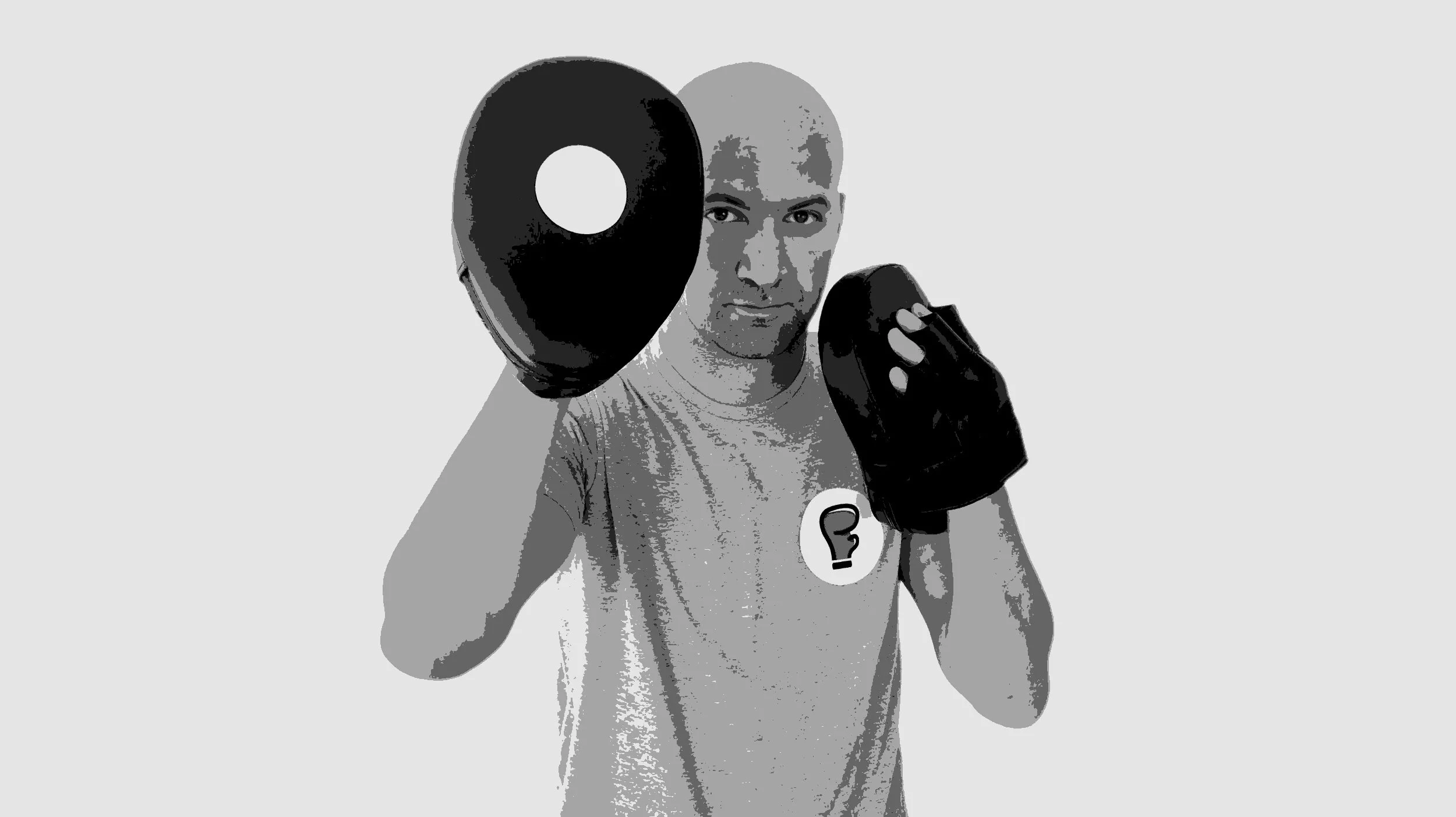
The modern boxing gym is split in two. On one side, professional fighters are going through gruelling sparring sessions. On the other, fitness-focused clients are working hard on the pads. This rise in "non-contact" boxing has created a real problem for trainers: The Coach’s Dilemma.
The Trap of "Explaining" a Fight
Many clients who don't want to spar often ask their coach to explain exactly what a fight feels like. They believe that if the coach can just describe the pressure and the timing, they can "get it" intellectually.
This is simply not true.
You cannot explain boxing because it is an experience, not a concept. You can’t teach the split-second timing of a counter-punch or the feeling of your technique falling apart through a lecture. A coach can give you a plan, but as the saying goes, everyone has a plan until they get punched in the face. If you refuse to spar, you are choosing to miss out on the very heart of the sport.
Pads vs. Sparring: Knowing the Difference
The tension here comes from a misunderstanding of what different drills actually do. Many people train incredibly hard on the pads and assume that because they have a great coach and a high heart rate, they are learning to fight.
The Client's View: "I’m paying for a pro coach and working hard, so I’m becoming a fighter."
The Reality: The coach knows that padwork only teaches the mechanics, how to throw a hook or how to pivot. The real skills, timing, distance, and reacting when things go wrong, only happen when someone is punching back at you.
The Coach’s Responsibility
A good trainer has a duty to teach you properly. If your goal is to actually be able to fight, the coach knows they have to "pressure-test" you in sparring.
However, most fitness clients choose not to spar because of the risk of injury or personal preference. This leaves the coach in a tough spot: they want to give you a satisfying, high-intensity workout, but they know that without sparring, you aren't actually learning the craft of boxing.
Tools vs. Testing
No reputable coach will tell you that you can learn to fight purely by hitting pads. Think of it this way:
Padwork is Tool-Building: It builds your fitness, your power, and your form in a safe environment.
Sparring is Tool-Testing: It’s the only way to practice distance, timing, and staying calm under pressure.
The coach provides the tools, but the client chooses whether or not to actually use them.
A Final Reality Check
To solve the coach's dilemma, you have to be honest about why you are at the gym:
If your goal is fitness and form: You are getting a service. The pads are perfect for you. Enjoy the workout and the power you’ve built.
If your goal is to learn how to fight: You must commit to the difficult, humbling process of sparring.
Without stepping into the ring, you will eventually hit a "ceiling." Your coach can give you the shovel, but it’s up to you to do the digging.