
Blog: Musings of a Boxing Fitness Coach

Primary Movements
Primary movements, including pushing, pulling, squatting, hinging, and carrying, are fundamental, essential movements that form the foundation for overall physical health and specialized boxing skills. The American Council on Exercise (ACE) classifies these movements into five categories: bend-and-lift, single-leg, pushing, pulling, and rotational.

How to Wrap Your Hands
Learn how to wrap your hands like a pro with this informative post. Discover the step-by-step process for wrapping your hands before a boxing workout or fight, including how to choose the right hand wraps and how to properly secure them to protect your hands and wrists.

Boxing Timeline: A History of the Sweet Science
The Boxing Timeline is a definitive record of the sport's rich history, from its origins in ancient civilizations to the modern era of heavyweight champions. This comprehensive post highlights the most pivotal moments, legendary fighters, and historic bouts that shaped the sweet science, providing a one-of-a-kind resource for any fan.

The Training Session
A typical training session follows a cyclical structure, moving from low to high intensity and back again, which mirrors the principle of periodization. This structure is segmented into five key phases: a Warm-up (cardiorespiratory), Movement Preparation (dynamic stretches), the Main Workout (resistance exercise), a Cool Down (cardiorespiratory), and Tissue Restoration (static stretches).

The Marquess of Queensberry Rules
The Marquess of Queensberry Rules, published in 1867, were a foundational set of boxing regulations sponsored by John Sholto Douglas and are the most influential code governing the modern sport. Crucially, these rules were the first to mandate the use of boxing gloves, established the three-minute round, and introduced the 10-second count for a fallen man, professionalizing boxing and banning wrestling and hugging.

How to Run a Consultation
A comprehensive fitness consultation involves three stages - Paperwork, Static Measurements, and Dynamic Measurements - to gather all necessary client information before creating an exercise plan. This process ensures client safety and readiness through health screening (PAR-Q, BP, RHR), clarifies expectations (HCS, IC), establishes goals (SMART), and sets a movement baseline by assessing fundamental patterns like squatting, lunging, and hinging.

Exercise Alphabet
The Exercise Alphabet is a practical list of bodyweight movements, from Arm Circles to Zig-zags, designed to facilitate fun and engaging fitness games, especially for kids sessions. This tool makes it easy for coaches to conduct challenges, like the 'Alphabet Challenge,' which teaches exercise names and provides a great 15-20 minute full-body workout.

How to Feint
Feinting is a crucial boxing technique used to deceive opponents, setting up powerful combinations or disrupting their defence, and requires quick reflexes and understanding of their tendencies. This post redefines a feint as a punch that deliberately stops short of the target, offering a practical way for boxers, partners, and coaches to safely and effectively train this essential skill on heavy bags and in padwork.

Push-Up Variations
Get the most out of your push-up routine with these push-up variations. Discover how to add variety and challenge to this classic exercise, from incline and decline push-ups to one-arm and explosive push-ups, in this informative post. Whether you're a beginner or an experienced fitness enthusiast, this post has something for everyone looking to take their push-ups to the next level.

Range of Motion
What is the normal range of motion for each joint of the human body? Range of Motion (ROM) quantifies the distance and direction a joint can move, providing a critical baseline measurement for assessing physical capability. The normal ROM is precisely measured in degrees for major body segments, detailing everything from shoulder movement to lumbar spine flexion.

Top 10 Fitness Feats
Learn about some of the most impressive achievements in fitness history.

30 Boxing Coaches to Follow on Instagram
The pace of new boxing techniques and training methods requires boxers and coaches to stay constantly informed to avoid a disadvantage. To gain a deeper and broader knowledge of boxing, follow them on social media. Here is a list of 30 expert coaches on Instagram.

Strength Training Exercises
Take your strength training to the next level with this comprehensive guide to strength training exercises. From basic compound lifts like squats and deadlifts to isolation exercises like bicep curls and calf raises, discover the best exercises to build strength and muscle mass in this informative post. Whether you're a beginner or an experienced lifter, this post has something for everyone looking to improve their strength training routine.

The Anatomical Planes
Explore the anatomical planes of the human body with this informative post. Learn about the different planes of motion and how they are used to describe movement and positioning in the body. Whether you're a personal trainer or simply interested in learning more about the human body, this post is a great starting point for understanding the fundamental principles of anatomy and physiology.

The 6 Basic Punches
The six basic punches are more complex than they appear, requiring precise timing, balance, and footwork to be effective, not just simple execution. A skilled boxer must utilize punches like the Jab to control the opponent, the Cross for maximum power, and the Hook/Uppercut to catch opponents off guard.

Boxing Padwork Basics: Punches
Padwork is essential for practicing combinations in a controlled environment, but it requires the coach (or partner) to use clear cues and proper pad positioning. The fundamental challenge for the pad holder is to effectively call out a punch and present the target pad correctly, while the boxer focuses on execution.

How to Shoulder-Roll
The Shoulder-Roll is a key defensive move performed from the specialized Philly Shell stance to deflect straight punches off the lead shoulder and set up a counterattack. What are the basic do’s and don’ts of the shoulder roll?
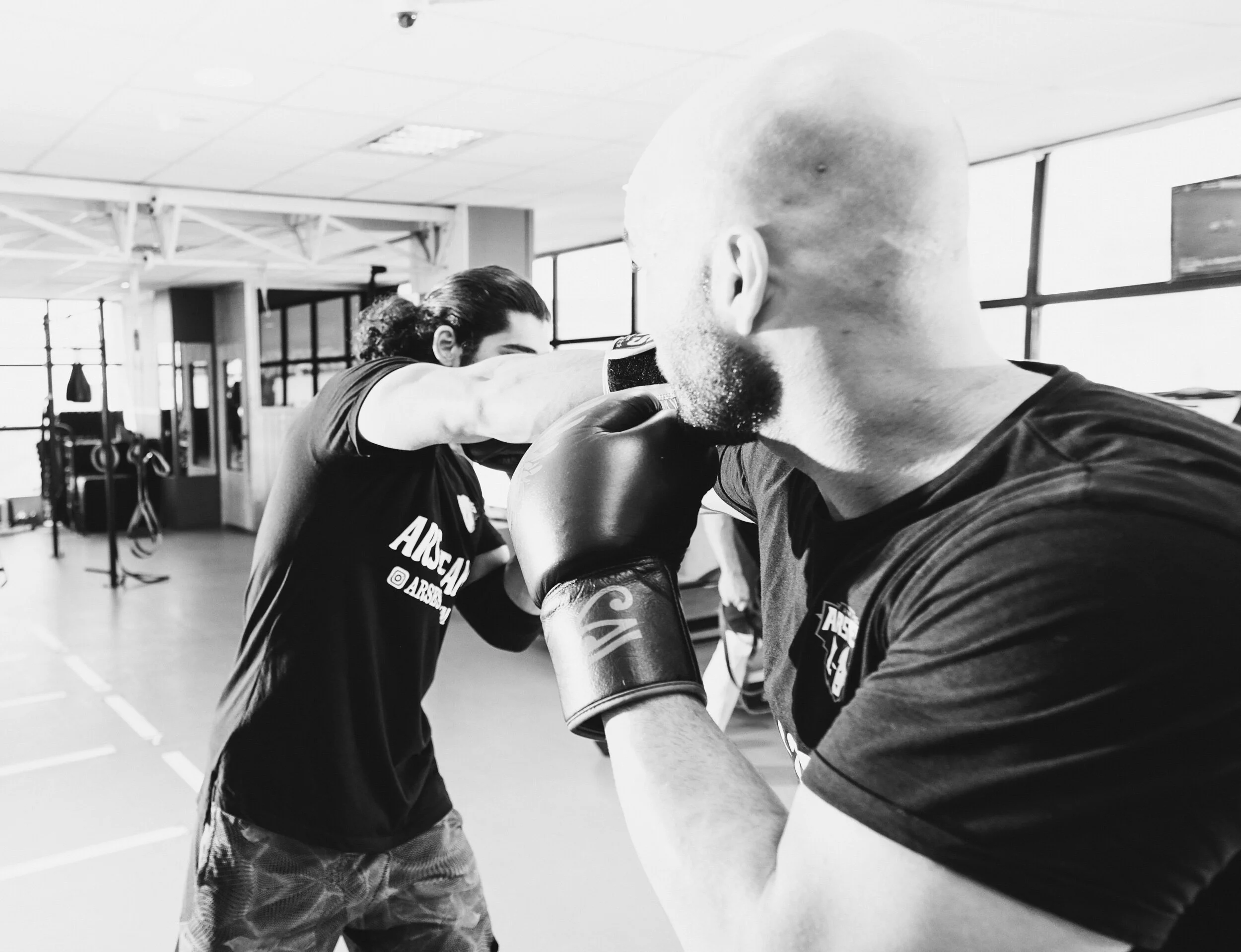
Partnerwork for Boxing
What boxing drills can be done with a partner? Partnerwork is the cooperative practice of techniques that gives boxers a safe, light, and slow glimpse into sparring without the risk of injury. It differs from sparring by being highly specific and requiring less protective equipment, with the core challenge being a clear definition of the task by the coach.
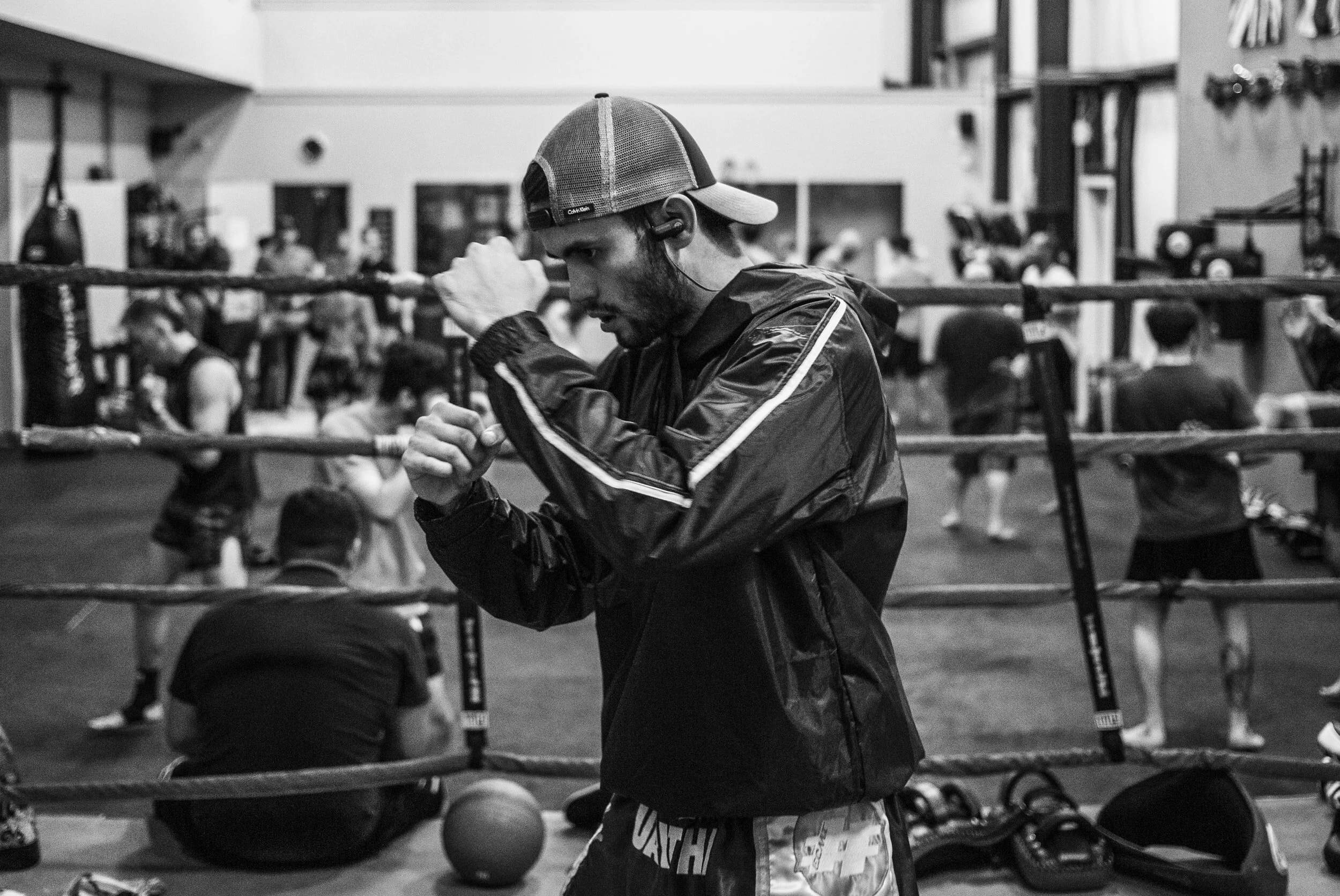
How to Shadowbox
Shadowboxing is a crucial, high-intensity training activity where a boxer visualizes and reacts to an imaginary opponent, serving as an excellent cardio workout and tool for improving technique. To prevent aimless movement and reinforce good habits, boxers must bring purpose to their practice by using techniques like Self-Assessment (filming oneself) and Opponent Assessment (imagining a specific fighter or style).

Warming Up with The Borg Scale
The Borg Scale of Perceived Exertion (RPE) is a numerical tool, ranging from 6 (No Exertion) to 20 (Maximal Exertion), used by coaches and athletes to subjectively gauge the intensity of their warm-up and training sessions. This scale is cleverly linked to heart rate, as multiplying the RPE score by 10 gives a decent estimate of the user's actual heart rate, with the target for a proper warm-up being 13 ("Somewhat Hard") to reach the target heart rate zone.


