The Arc of Control: A Tactical Guide to the Lead Hook
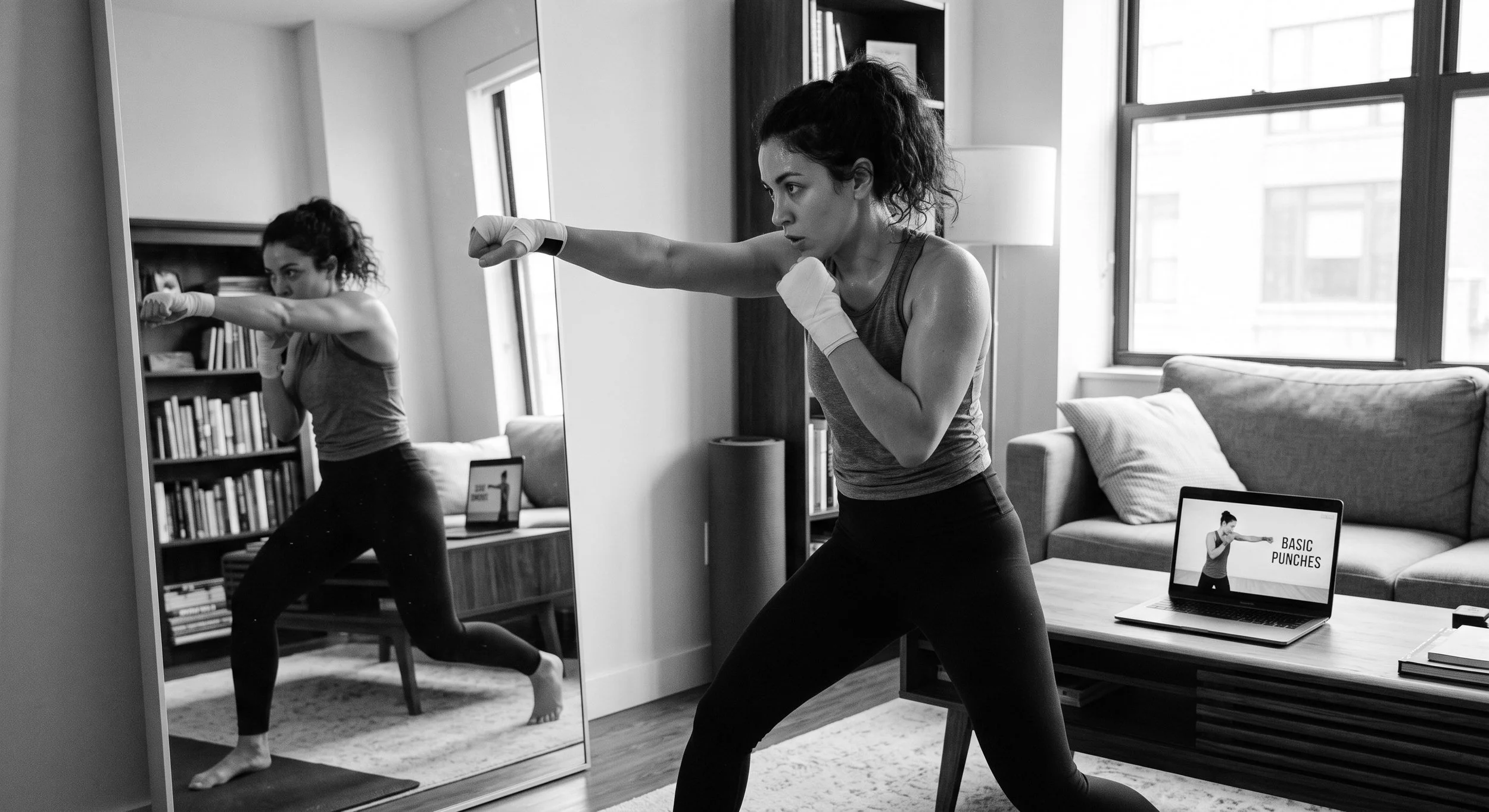
In the pecking order of punches, the lead hook is the ultimate game-changer. It is the only strike that can effectively wrap around a tight guard, but its real genius lies in how it controls movement. If a fighter is like a door, the jab is the handle, but the lead hook is the hinge, it forces the entire frame of the fight to swing in a new direction.
Mastering the hook requires an understanding of the "blind spot". Because the hook travels outside an opponent’s direct line of sight, its success depends on your ability to find the gap where their peripheral vision ends and your arc begins.
I. Position: Centre vs. Centre
The Situation: Both fighters are in the open. The lead hook is used here to test the opponent’s reactions and to punish their rhythm.
Matching Stances (Orthodox vs. Orthodox / Southpaw vs. Southpaw)
The Problem: The "Symmetry Trap." Because you are mirrored, your lead hook travels the same path as their rear-hand guard. If you throw a lazy hook, you’ll simply hit their "shield" and leave your chin wide open for a straight right.
The Goal: The "Check Hook." Do not lead with the hook; throw it as a counter-move while pivoting your lead foot 45–90 degrees. As the opponent steps in to jab, your hook catches the "open" side of their face while your body vanishes from their sights.
Opposite Stances (Orthodox vs. Southpaw)
The Problem: The "Lead Hand Jam." In mirrored stances, the lead hands often occupy the same space. A traditional hook will usually just slap against their lead glove or shoulder.
The Goal: The "Level-Change Shovel Hook." Drop your weight toward your lead side to get under the line of their lead hand. From this low angle, fire the hook at a 45-degree upward arc into the liver or the ribs. This bypasses the lead-hand barrier entirely.
II. Position: Centre vs. Ropes
The Situation: You have the opponent backed up. The goal here is containment, using the hook to herd them back against the ropes, and eventually into a corner.
Matching Stances
The Problem: The "Side-Step Escape." The opponent knows they are trapped and will try to circle toward either side to get back to the centre.
The Goal: The "Fence Hook." Throw a hook with the intention of jamming them back. You aren't looking for a clean knockout here; you are using the punch as a fence to keep them in place.
Opposite Stances
The Problem: The "Blind Side Escape." The opponent will try to roll under your hook. Because they are in an opposite stance, their lead foot is already closer to the exit.
The Goal: The "Low Hook." Aim for the body. This places your hook directly in the path of their escape, forcing them to stop their movement or roll straight into the shot.
III. Position: Centre vs. Corner
The Situation: The opponent is trapped in the corner. This is the "dead zone," but it’s also where they are most likely to try and rush out or clinch.
Matching Stances
The Problem: The "Cover and Pivot." In the corner, opponents often guard up and try to pivot out. A standard hook will either be blocked or give them a clear exit.
The Goal: The "Feint Hook." Turn the hook into a setup for either a head or body shot. This creates uncertainty, freezes the opponent, and sets up a clean opening for your cross.
Opposite Stances
The Problem: The "Clinch Collision." In the corner, opposite-stance fighters often end up shoulder-to-shoulder very quickly. There is no room for a big, looping hook.
The Goal: The "Frame Hook." Instead of swinging, use your forearm to restrict their movement and prepare to block and counter. Keep the framed hook stiff but adaptable, and be ready to return to your guard immediately.
Ultimately, the lead hook is the punch that turns you from a fighter who simply trades blows into a tactician who dictates the fight. By aligning the arc of your strike with the geometry of your position, you stop chasing your opponent and start guiding them exactly where you want them. Whether it’s the subtle pivot of a check hook in the centre or the forceful framing needed to smother an escape in the corner, mastering these nuances makes your lead hand your most versatile and dangerous tool.