
The Blog


The Great Fitness Squeeze: Why London’s Middle-Market Gyms Are Disappearing
As the London fitness market undergoes a dramatic bifurcation, the traditional "middle-tier" gym is being squeezed out by hyper-efficient budget hubs and ultra-premium wellness sanctuaries. This shift signals a new era for the city's workout culture, where consumers are increasingly rejecting "generic" facilities in favour of either unbeatable price or high-value specialization.

The London Longevity Shift: Why Your Gym Is Becoming Your New Doctor
As London’s fitness landscape pivots from aesthetic goals to long-term "healthspan," the local gym is transforming into a sophisticated hybrid of a social hub and a preventative healthcare clinic. Driven by high-tech recovery and data-backed longevity, the city’s workout culture is no longer just about the sweat, it’s about navigating urban life with a resilient nervous system.

The Great Fitness Divide: Is London’s Wellness Boom Actually Sustainable?
London is witnessing a shift where fitness has split into low-cost automated boxes and high-end luxury sanctuaries. This divide raises a vital question about whether health is becoming a public right or merely a premium lifestyle product for the few.

The Fitness Industry: A Structural Analysis of the Professional Pipeline
The fitness industry functions primarily as a credentialling economy that generates profit through the continuous recruitment and certification of new practitioners. Aspiring professionals must understand that they are the primary consumers of this bureaucratic system before they can realistically succeed as service providers.

The Fitness Qualification Hierarchy: Protection or Illusion?
The fitness industry’s formal hierarchy of regulators and standards prioritizes administrative compliance over the practical wisdom and intuitive mastery required for elite coaching. Consequently, while a qualification ensures a trainer meets a basic legal minimum, it serves as a poor guarantee of the nuanced expertise necessary to navigate the complexities of human health.

Why Your Local Gym Is No Longer a Place to Exercise
Modern fitness centres have transitioned from equipment warehouses into essential social and medical hubs. This shift explains why membership value now stems from community and preventative health rather than mere access to weights.

Why Walking the Gym Floor is the Fastest Way to Financial Failure
Traditional gym-floor prospecting is a low-margin relic that prevents trainers from achieving genuine financial independence. Professional growth requires a shift toward private or remote models that eliminate predatory rent and focus on high-intent lead generation.

The Training Trap: Why Your Fitness Qualification Might Not Lead to a Career
The fitness industry’s rapid expansion masks a systemic cycle where training providers profit from high student turnover rather than professional success. New coaches often find themselves trapped in a market designed to maintain an oversupply of labour, benefiting corporate infrastructure at the expense of individual career longevity.

The AI Workout Fallacy: Why Your Chatbot Isn't Your Next Personal Trainer
Relying on AI for fitness advice is dangerous because chatbots are not experts; they are sophisticated word-prediction machines that prioritize plausible-sounding text over physiological accuracy. Because they lack an understanding of biomechanics and your unique history, they can confidently recommend "hallucinated" workouts programs.

The Dark Side of Metrics: When Your Workout Becomes a Spreadsheet
When we transform our bodies into sets of data points, we risk trading the intuitive joy of movement for the mechanical stress of maintaining a digital rank. True fitness is found in the physical feeling of a workout, not in the hollow satisfaction of preserving a streak at the expense of our well-being.

Why Your Gym Routine Is Performance Art, Not Science
The fitness industry often functions more as a theatrical performance than the application of science, prioritizing the social projection of health over actual physiological results. If we are treating the gym like a stage rather than a laboratory, are we truly pursuing wellness or simply performing a role for the approval of others?
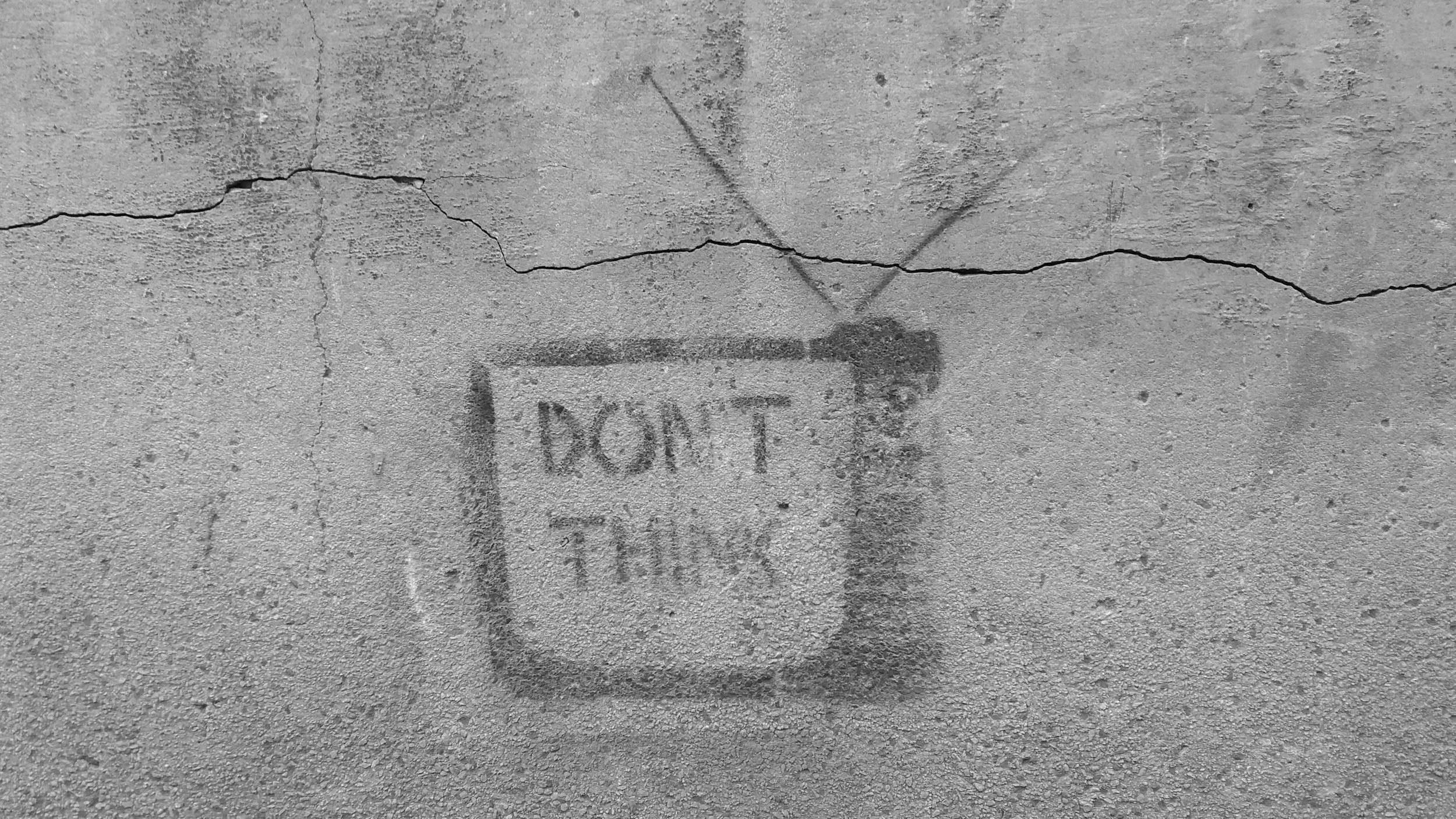
The Secret Rules of the Gym: Ideology and Taboo in Fitness
Every fitness tribe relies on a "sacred cow" they refuse to question, whether it’s the reality of performance-enhancing drugs or the hidden risks of a "perfect" routine. Identifying these taboos is the best way to stop chasing expensive illusions and finally focus on what actually works for your health.

Beyond The Bench Press: Why Personal Training Education Fails Both Trainer and Client
The inefficiency in the personal training industry is rooted in an educational failure: training providers provide non-critical knowledge, leading them to apply an ethically blind approach that fails to address real-world problems faced by clients. The solution is to integrate critical thinking and reflective practice into the curriculum.

Why Modern Gyms Fail to See the Person Behind the Machine
The fitness industry is so focused on the body-as-a-machine that it often ignores the mental side of things, which is usually what actually determines whether someone succeeds. A 'body-only' approach leaves trainers unprepared for the reality of why people struggle to stay consistent.

The Fitness Industry Hierarchy: Who Really Calls the Shots for Your Personal Trainer?
Behind the fitness industry’s façade of social media influencers lies a rigorous, government-regulated hierarchy of standards overseen by bodies like Ofqual and CIMSPA. This structured system ensures that qualified personal trainers meet specific professional benchmarks, providing clients with safe, evidence-based, and high-quality coaching.

You Think You’re Free to Choose Your Fitness Path? The Hidden Trap That Controls Your Every Move
The modern fitness world is built on a series of inescapable paradoxes, where explicit health messages are constantly contradicted by implicit market demands. We must reject the system's conflicting commands to pursue authentic, sustainable health goals.

Will the Wealth Gap Create a Health Gap in London?
Despite the booming commercial fitness sector in London, health problems are worsening in the city's poorest areas, highlighting a core paradox where the high cost of quality support and the rise of expensive digital technology create significant cost and access barriers. This economic success is failing to translate into public health improvement, demanding a challenge to the idea that more gyms equal a healthier city and raising questions about the fitness industry's ethical responsibility to address deep-seated health inequalities.

Will Your Future Body Belong to You?
What are the potential costs of merging silicon logic with human biology and can we preserve our autonomy in a world of constant surveillance? By questioning the need for 24/7 optimization, we might begin to define the limits of our willingness to digitize our inner lives.

The Certification Paradox: Why Personal Training Treats Your Body Like a Machine and Your Crisis Like a Symptom
The entire professional fitness qualification domain is founded upon a systematic and ethical framework, but it is critically flawed by its reliance on the Reductive Fallacy. The strongest counter-argument asserts that the industry's focus on measurable behaviours fails to address the client's deeper crisis of meaning, problems that lie outside the scope of both conventional coaching and psychological intervention.

Why ‘Just Lift Heavy’ is Insufficient: Unmasking the Fallacies That Keep the Fitness Industry Running
The fitness industry's common phrases, like "Just Lift Heavy," are flawed because they confuse a necessary training stimulus with a complete, actionable system. This focus on simplicity causes people to fail by ignoring the complex but essential details of recovery and programming, while conveniently preventing the advice itself from being properly scrutinised.