Blog: Musings of a Boxing Fitness Coach


Coaching, Creativity and Critical Thinking
Discover the power of creativity and critical thinking in coaching with this informative post. Learn how to use these skills to enhance your coaching effectiveness and help your clients achieve their goals. From brainstorming to problem-solving, explore practical strategies for fostering creativity and critical thinking in your coaching practice in this informative post. Whether you're a personal trainer or a coach, this post has something for everyone looking to improve their coaching skills and help their clients reach their full potential.

The Training Session
A typical training session follows a cyclical structure, moving from low to high intensity and back again, which mirrors the principle of periodization. This structure is segmented into five key phases: a Warm-up (cardiorespiratory), Movement Preparation (dynamic stretches), the Main Workout (resistance exercise), a Cool Down (cardiorespiratory), and Tissue Restoration (static stretches).
Partnerwork for Boxing
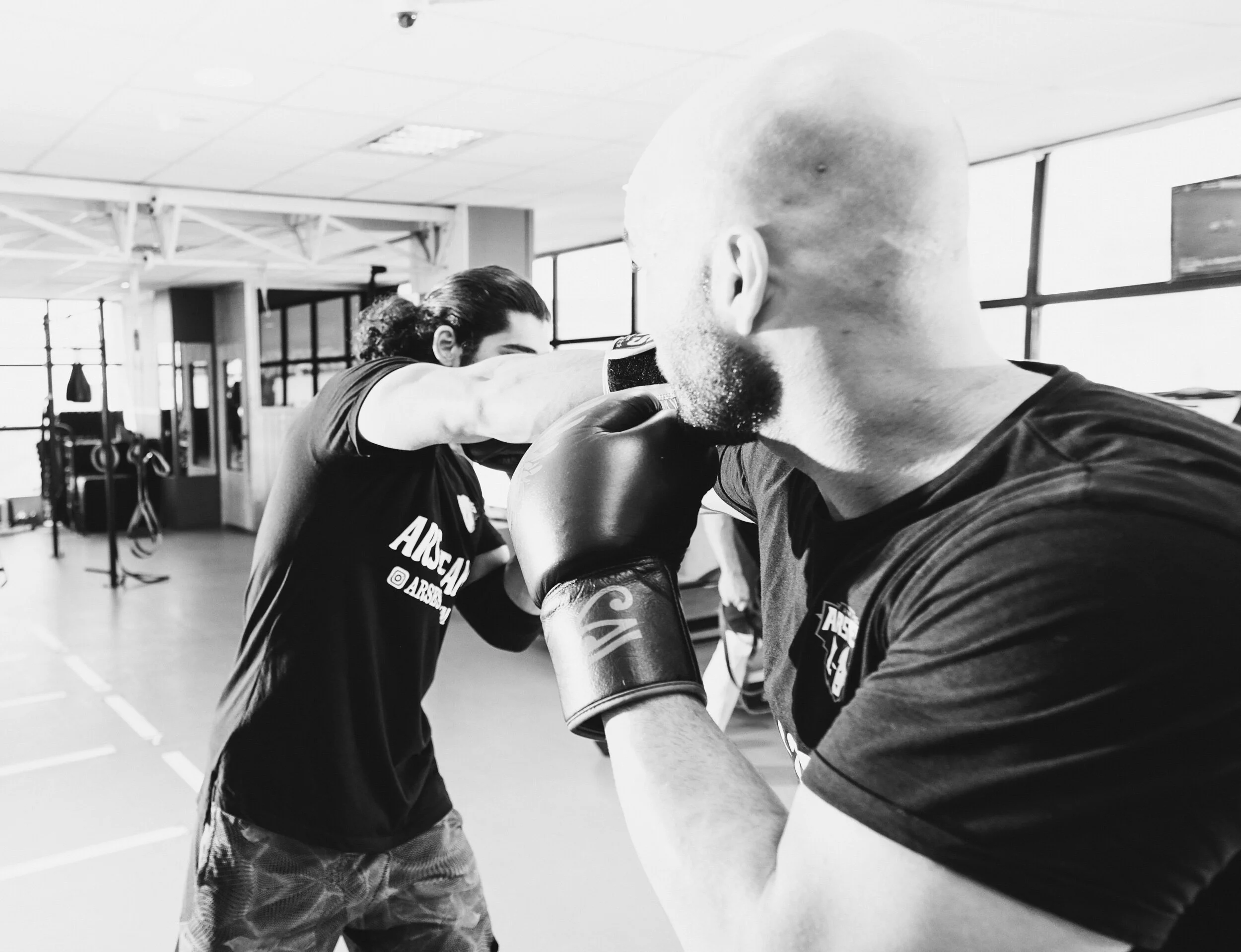
What boxing drills can be done with a partner? Partnerwork is the cooperative practice of techniques that gives boxers a safe, light, and slow glimpse into sparring without the risk of injury. It differs from sparring by being highly specific and requiring less protective equipment, with the core challenge being a clear definition of the task by the coach.

The Kinetic Chain Principle
What is good movement? The Kinetic Chain Principle (KCP) views boxing movement as a functional sequence of linked body parts, essential for transferring power efficiently from the lower body to the upper body. A full engagement of this chain, from the ground up through the hips and trunk, is crucial for generating maximum punching power and maintaining vital balance and stability.

Here’s an IDEA: How to Clearly Demonstrate Techniques
The IDEA acronym — Introduction, Demonstration, Explanation, and Action — is a powerful, whole-to-parts approach coaches use to clearly and efficiently teach movement techniques. It begins by stating the name and showing the complete technique, then breaks it down into component parts, before finally commanding the practice.

Coaching: Instruction and Plain Language
Improve your coaching with the power of plain language. Discover how to communicate more effectively with your clients and athletes by breaking down complex concepts into simple, easy-to-understand language in this informative post. From jargon to technical terms, explore the common pitfalls of ineffective coaching and learn how to use plain language to inspire and motivate your clients to reach their full potential.

The Skilled Helper: Boxing Coaching
Become a skilled helper in boxing coaching with this informative post. Discover the key skills and qualities of effective boxing coaches, from communication and motivation to technical expertise and problem-solving. Whether you're a personal trainer or a coach looking to expand your skill set, this post will provide you with valuable insights and strategies to become a better boxing coach.

The 2 Practice Methods for Boxing
To master boxing combinations, coaches utilize two primary practice methods: Layering and Stacking. Layering is the intuitive process of building a combination by adding one new punch at a time and repeating the entire sequence, while Stacking involves mastering two separate combinations and then joining them together into a single, longer sequence.

The 4 Stages of a Boxing Workout
A well-structured boxing workout follows a four-stage narrative arc — Warm-up (Opening Scene), Build-up (Suspense), Peak (Climax), and Cool-down (The End) — to optimize training and engagement. This structure moves from the comfort zone to gradually increasing intensity, achieves a successful peak with the most difficult tasks, and concludes with a return to normality by cooling down.

Make Your Punches Count: A Guide to the Two Numbering Systems for Effective Boxing Training
To enable boxers to execute any combination on command, coaches often use one of two primary punch numbering systems: the Basic System, which is intuitive and labels the six main punches, or the more target-specific Cus D'Amato/Mike Tyson System. Both systems serve to specify punches, expand the boxer's combination memory, and allow for shorter, clearer instructions during training.