
Blog: Musings of a Boxing Fitness Coach


The Certification Paradox: Why Personal Training Treats Your Body Like a Machine and Your Crisis Like a Symptom
The entire professional fitness qualification domain is founded upon a systematic and ethical framework, but it is critically flawed by its reliance on the Reductive Fallacy. The strongest counter-argument asserts that the industry's focus on measurable behaviours fails to address the client's deeper crisis of meaning, problems that lie outside the scope of both conventional coaching and psychological intervention.

Why ‘Just Lift Heavy’ is Insufficient: Unmasking the Fallacies That Keep the Fitness Industry Running
The fitness industry's common phrases, like "Just Lift Heavy," are flawed because they confuse a necessary training stimulus with a complete, actionable system. This focus on simplicity causes people to fail by ignoring the complex but essential details of recovery and programming, while conveniently preventing the advice itself from being properly scrutinised.
What is Mobile Personal Training? Everything You Need to Know Before You Book
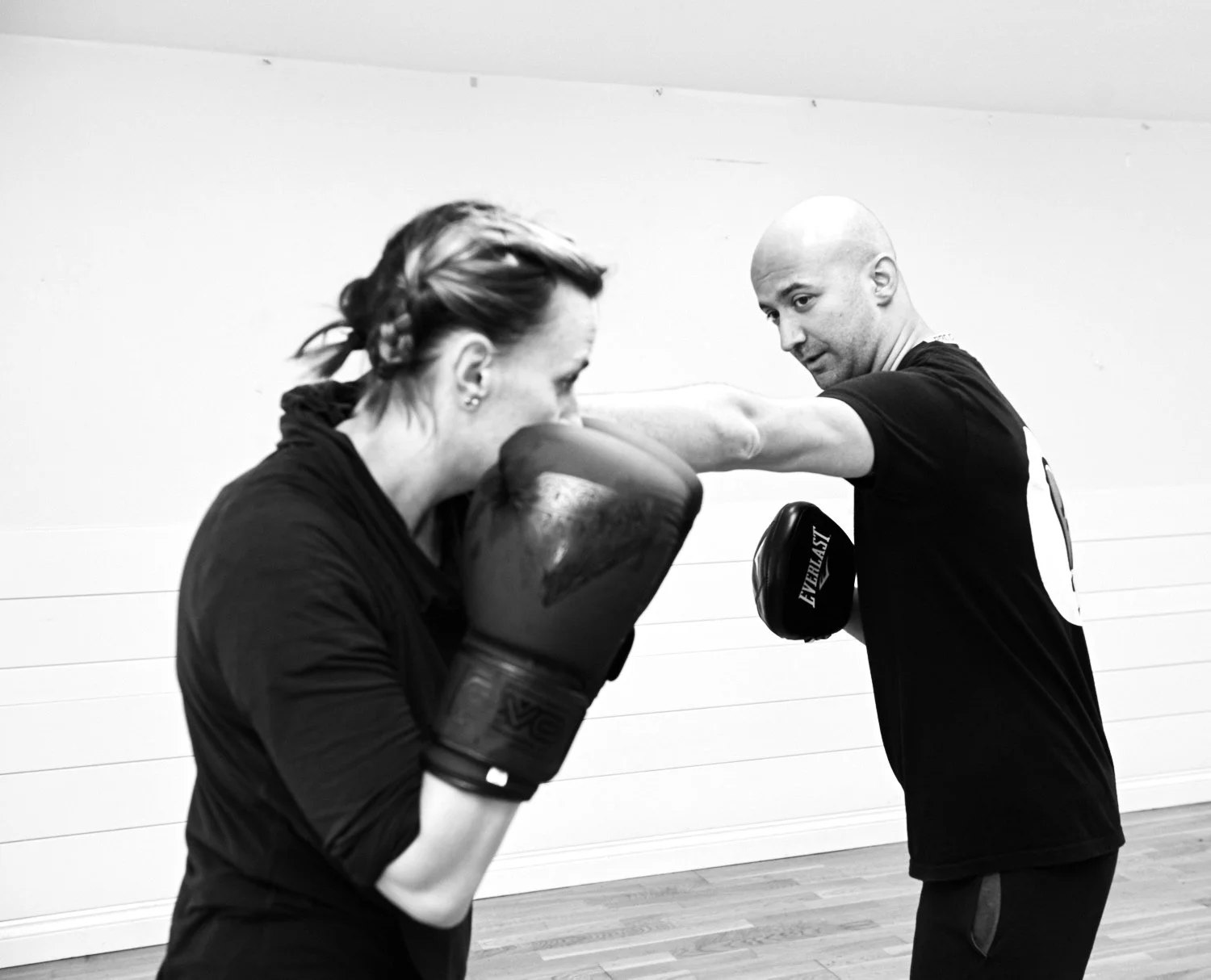
Mobile personal training brings the expertise and equipment of a professional gym directly to your home, office, or local park for the ultimate convenience. This guide explores how skipping the commute and training in a private, customized environment can help you finally achieve your fitness goals on your own terms.

Why Your Gym Membership is a Debt Trap in Disguise
Most people view the rapid expansion of gym chains as a triumph for public health, but the underlying business model reveals a primary focus on servicing massive corporate debt. This analysis proves that your monthly membership fee functions more as a tool for financial extraction than as a genuine investment in your physical wellbeing.

Quick Tips on Squats: Answering Your Biggest Concerns
A safe and effective squat requires attention to core stability and lower body alignment; focus on keeping your knees in line with your feet, maintaining contact with your heels, and bracing your core to protect your spine. By addressing mobility issues and avoiding the myth of strictly limiting forward knee travel, you can master this fundamental exercise for greater strength and injury prevention.
Stop Relying on Willpower: Why Your Personal Trainer is Actually a Behavioural Scientist
The key to sustained fitness is not willpower, but the strategic use of behavioural science principles. Effective personal trainers act as architects of reinforcement schedules, engineering immediate rewards that fundamentally make consistent effort the easiest option for the client.

How to End Every Personal Training Session So Your Clients Look Forward to the Next One
A professional and positive conclusion is not merely polite; it is a critical tool for client retention and motivation, ensuring the progress made in the session is carried forward into their daily life. By consistently implementing structured ways of ending a session, a trainer can guarantee clients internalise their achievements and look forward to returning.

The Luxury Gym Delusion: The Hidden Cost of Premium Fitness
London's premium fitness clubs sell a hospitality and status experience that often actively interferes with physical training requirements. You can get better results and save money by choosing a gym that prioritizes good equipment over fancy perks.

Ethical Puzzles That Separate A Good Personal Trainer From A Great One
Ethical dilemmas require personal trainers to set professional boundaries and base every decision on client safety and scientifically supported information. Upholding integrity across issues like confidentiality and scope of practice is the key to maintaining trust and professional standing.

Why Your Personal Trainer Is Not an Entrepreneur
Modern fitness instructors are often rebranded as entrepreneurs to mask a reality of unpaid labour and high rents that mirrors historical serfdom. Replacing the security of employment with the illusion of independence has created a workforce that provides the industry with free maintenance while bearing all the physical and financial costs.

You Must Fail Forward: The Non-Negotiable Price of Mastery
The fastest path to mastery is the one we resist, rooted in the basic human terror of looking silly. You must embrace the short-term humiliation of the incompetence stage to gather the necessary data and develop the resilience required for long-term skill acquisition.

Is the Future Personal Trainer's Biggest Threat More Knowledge or More Fallacies?
The future personal trainer's greatest challenge is not a lack of verified knowledge, but the accelerating power of logical fallacies and cognitive biases in the digital world. Professional success will depend less on what a trainer knows and more on the how well they can critically assess information.

Why Your Fitness Guru's Best Advice Might Be Wrong: The Hidden Battle Between Truths
The pervasive conflict in fitness advice is not simply a matter of incomplete scientific data but rather a philosophical conflict arising from professionals tacitly favouring different models of truth: Correspondence, Coherence, or Pragmatism. Recognising which 'truth' your professional prioritises is essential to evaluating their advice and determining what constitutes genuinely beneficial practice for your unique goals.

Are You Being Let Down by Your London Personal Trainer? The Problem is Deeper Than You Think
The frustration felt by clients over generic workouts and high prices is a systemic failure. We can overcome this by changing the internal rules: clients must strategically demand specialist expertise, and professionals must revise their approach to deliver bespoke solutions for a sustainable, ethical partnership.

When Does Deep Specialization Stop Working? A Coach's Reflection on Breadth
Stop searching under the wrong light. This post exposes the Nasreddin Hodja paradox to show that success requires personal trainers to cross-train their minds, blending sports science with the wisdom of the humanities to solve human problems.

Mental Health First Aid
Mental health is essential to our daily lives. This post breaks down the World Health Organization's definition of mental well-being and explains what Mental Health First Aid is. Learn the 'DR EFG' protocol that Mental Health First Aiders use to compassionately support someone in distress and guide them toward professional help.

Personal Training Across Ages: Applying Erikson's Stages of Development to Fitness
Learn how understanding Erikson's stages of psychosocial development can enhance your personal training approach. By tailoring your techniques to each client's developmental stage, you can build trust, foster confidence, and help them achieve their fitness goals in a way that is meaningful and effective.

Mastering Primal Human Movement Patterns: Exercises for Each Plane of Motion
Including exercises that focus on the primal human movement patterns in each of the three planes of motion can improve overall physical health and fitness. Squatting, lunging, pushing, pulling, hinging, rotating, and gait exercises target different areas of the body and promote practical strength and improved fitness. By incorporating a variety of these exercises, you can create a comprehensive workout routine that helps achieve your fitness goals and maintain a healthy body.

Posture Perfect: How Personal Trainers Can Group Bodyweight Exercises by Starting Positions
Organizing bodyweight exercises by starting position is a useful tool for personal trainers and group exercise instructors who are looking to create varied and effective workout routines. By targeting different muscle groups and movement patterns with each starting position, trainers can ensure that their workouts are smooth and engaging.

How the Toulmin Model Can Help You Analyze Fitness Claims
Evaluate fitness claims using the Toulmin Model of Argumentation. By analyzing evidence, reasoning, and validity, you can make informed decisions about which programs, diets, and supplements to try. Avoid being swayed by fallacies and marketing gimmicks by applying the six components of the Toulmin Model: claim, grounds, warrant, backing, rebuttal, and qualifier.