
Blog: Musings of a Boxing Fitness Coach

The Jabberhook!
The "Jabberhook" is a punch of spontaneous genius that looks like both a jab and a hook, baffling both the client who threw it and the coach who witnessed it. This mysterious new technique — a glorious "mistake" — is set to take the boxing world by storm because no opponent will ever know how to block a punch that doesn't even know what it is.

99-Punch Combination
The 99-Punch Combination is a challenging, extended drill designed to focus training and test a boxer's memory, speed, and endurance. This demanding sequence systematically integrates punches with defensive movements, such as Elbow Blocks, Slips, and Rolls, to create a complex routine that requires execution in under 30 seconds.

Top 10 World Record Achievements in Boxing
Celebrate the greatest achievements in boxing history with this list of the top 10 world records. From the longest reign to the most knockouts in a career, discover the feats of strength and endurance that have earned these boxers a place in the record books. Whether you're a fan of the sport or simply interested in human performance, this post is a must-read.

Critical Thinking and Training
How might critical thinking fit into a training programme? Beyond the traditional SPORT principles, it is essential that all training methods are based on evidence and valid reasoning to combat ineffective fitness fads. The proposed Principle of Critical Thinking encourages trainees to ask sharp questions about the clarity, logic, and scientific support for every training claim.

The Skeletal System: A Journey into the Framework of the Human Body
Discover the fascinating world of the skeletal system with this informative post. Learn about the different bones and structures that make up the human skeleton. Whether you're a personal trainer or simply interested in learning more about the human body, this post is a great starting point for exploring the skeletal system.

Health Problems, Healthy Solutions
How often should people train in a given week? A healthy lifestyle is needed for physical and mental well-being, as exercise significantly reduces the risk of major illnesses and weight gain, which currently affects a majority of the population. To mitigate these risks, adults should aim for either 150–300 minutes of moderate-intensity or 75–150 minutes of vigorous-intensity aerobic physical activity per week, with a basic schedule of 15–30 minutes of activity per weekday being an achievable starting goal.

Boxing Padwork: Non-Verbal Cues
Expert coaches use non-verbal cues — specific hand positions, pad angles, and body movements — to efficiently command multiple punch combinations without excessive talking. This method provides shorthand instruction for techniques like Punches, Blocks, and Head Movement, allowing for faster, more complex, and less predictable padwork sessions.

How to Jab
The jab is the most essential punch in a boxer's arsenal, a quick, straight punch thrown with the lead hand that is highly versatile for both offense and defence. Offensively, it establishes range, controls the pace of the fight, and sets up combinations. Defensively, it can be used to block, parry, and disrupt an opponent's timing.

Coaching: Instruction and Plain Language
Improve your coaching with the power of plain language. Discover how to communicate more effectively with your clients and athletes by breaking down complex concepts into simple, easy-to-understand language in this informative post. From jargon to technical terms, explore the common pitfalls of ineffective coaching and learn how to use plain language to inspire and motivate your clients to reach their full potential.

What is Control?
"Control" is an advanced concept in boxing, often borrowed from other martial arts, that refers to a subtle way of moving or using "tricks" to place an opponent at a disadvantage. This is achieved not just through physical manoeuvring (like locking an arm or knocking a glove aside) but also by manipulating the opponent's actions through feints, positioning, and triggering predictable reactions.

Beyond the Punches: How to Relax and Recover for Improved Boxing Performance
Unnecessary tension, such as hunched shoulders, clenched fists, and locked knees, is a common problem for boxers that leads to quick fatigue. The solution involves two key methods: gradual exposure during training to build relaxed, focused habits in low-stress environments, and practicing deep systematic relaxation during recovery time to establish a contrast against excessive tension and help find an optimal state of performance.

The Skilled Helper: Boxing Coaching
Become a skilled helper in boxing coaching with this informative post. Discover the key skills and qualities of effective boxing coaches, from communication and motivation to technical expertise and problem-solving. Whether you're a personal trainer or a coach looking to expand your skill set, this post will provide you with valuable insights and strategies to become a better boxing coach.
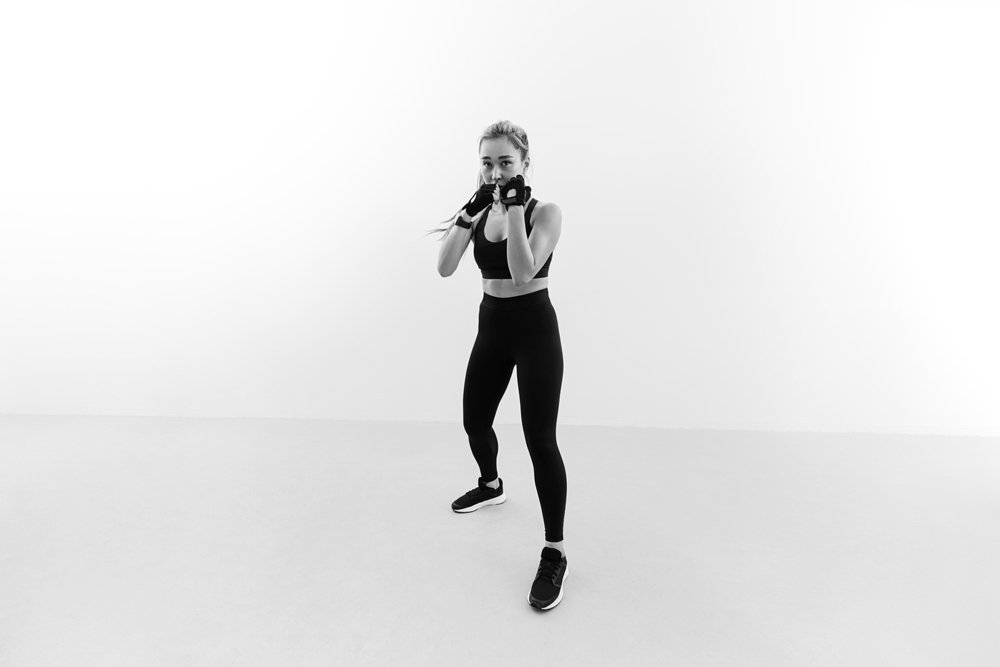
The Boxing Stance
The boxing stance is a carefully crafted position, essential for providing a balance of stability and mobility while maximizing a boxer's power and defence. Whether using the Orthodox (left foot forward) or Southpaw (right foot forward) stance, fighters must precisely manage foot positioning, weight distribution, and hand placement to optimize their approach for their style and opponent.

Boxing Padwork: Verbal Cues
Improve your boxing padwork with these essential verbal cues. Discover how to communicate effectively with your partner during padwork drills and improve your technique and precision in this informative post. Whether you're a personal trainer or a boxer looking to improve your skills, this post is a must-read for anyone interested in the art of boxing padwork.

Cycles and Plug-Ins: An Advanced Type of Padwork for Boxing
How does Roger Mayweather teach combinations? Cycling (or Looping) is an advanced padwork method that involves repeating a chosen combination indefinitely, effectively creating an automated baseline rhythm. During the cycle, the coach introduces "plug-ins" — pre-set, non-repeating combinations — at key moments to force the boxer to immediately break rhythm, promoting mental focus, quick adjustments, and improved stamina.

24 Jump Rope Techniques for Boxing
Ropework is a staple in boxing training, significantly boosting cardiovascular endurance, enhancing coordination and footwork, and increasing lower body power. To add variety and challenge to this versatile exercise, boxers can utilize 24 different techniques, categorized into Bounce (both feet land simultaneously) and Bounce Step (alternate feet land) patterns, ranging from the basic Lateral Bounce to complex moves like the Double Under and the Ali Shuffle.

Top 10 Funny Boxing Quotes
Boxing, despite its intensity, has provided a rich source of humour, captured in witty observations by fighters and comedians alike. Quotes range from Jack Handey's comparison of the sport to "a ballet - except there's no music, no choreography, and the dancers hit each other," to Randall Cobb's stark reminder that "If you screw up in boxing, it's your ass."

The 3 Mayweather Padwork Styles
Take your padwork to the next level with these 3 Mayweather padwork styles. Discover the secrets behind Floyd Mayweather Jr.'s legendary skills and learn how to incorporate his signature techniques into your own training in this informative post. From the "pull=counter" to the "shoulder roll," explore the techniques that have made Mayweather one of the greatest boxers of all time.

The 2 Practice Methods for Boxing
To master boxing combinations, coaches utilize two primary practice methods: Layering and Stacking. Layering is the intuitive process of building a combination by adding one new punch at a time and repeating the entire sequence, while Stacking involves mastering two separate combinations and then joining them together into a single, longer sequence.

101 Boxing Combinations
Regularly practicing boxing combinations is crucial for enhancing technical skills, discipline, and cardiovascular power by teaching boxers to string multiple techniques together fluidly. The systematic approach of training 101 combinations, each beginning with a different cue — ranging from punches and defence to footwork and hand control — allows a boxer to develop a diverse, efficient, and well-rounded offensive capability.


